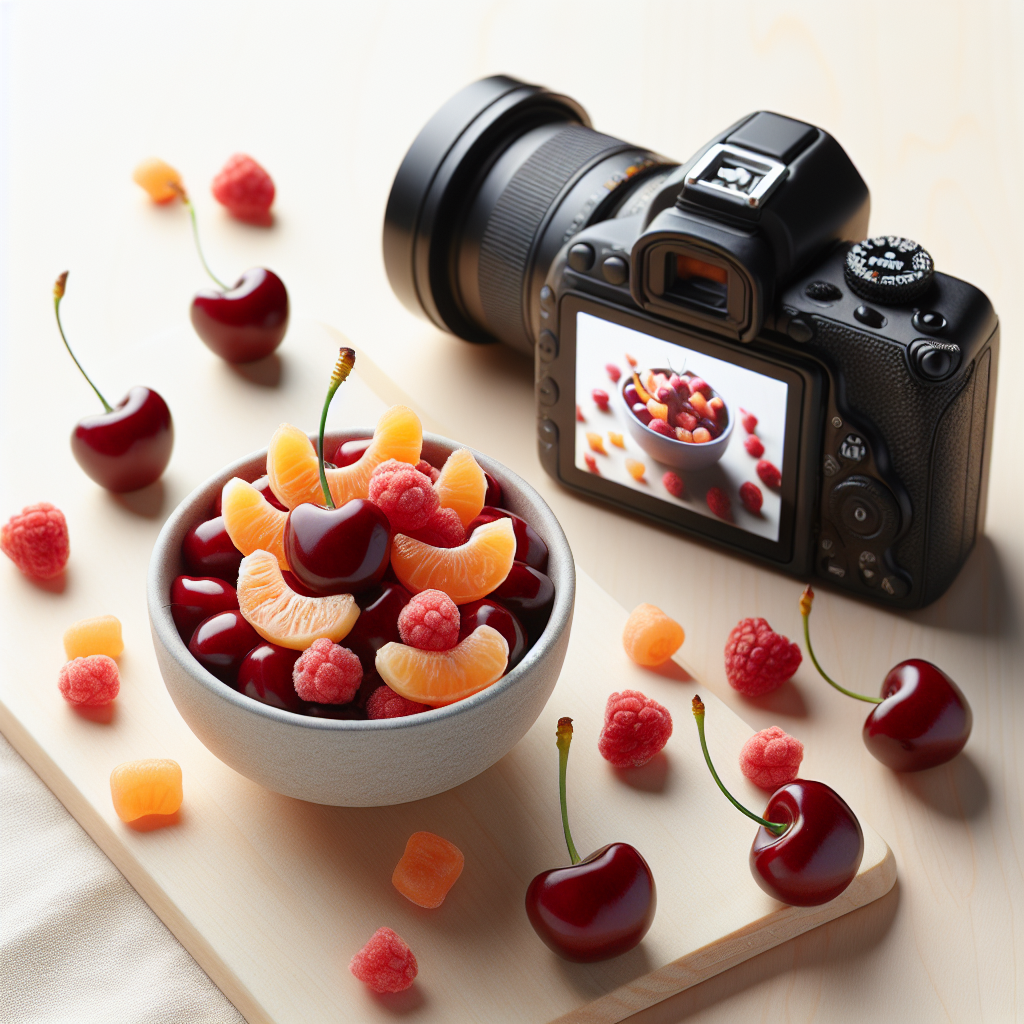
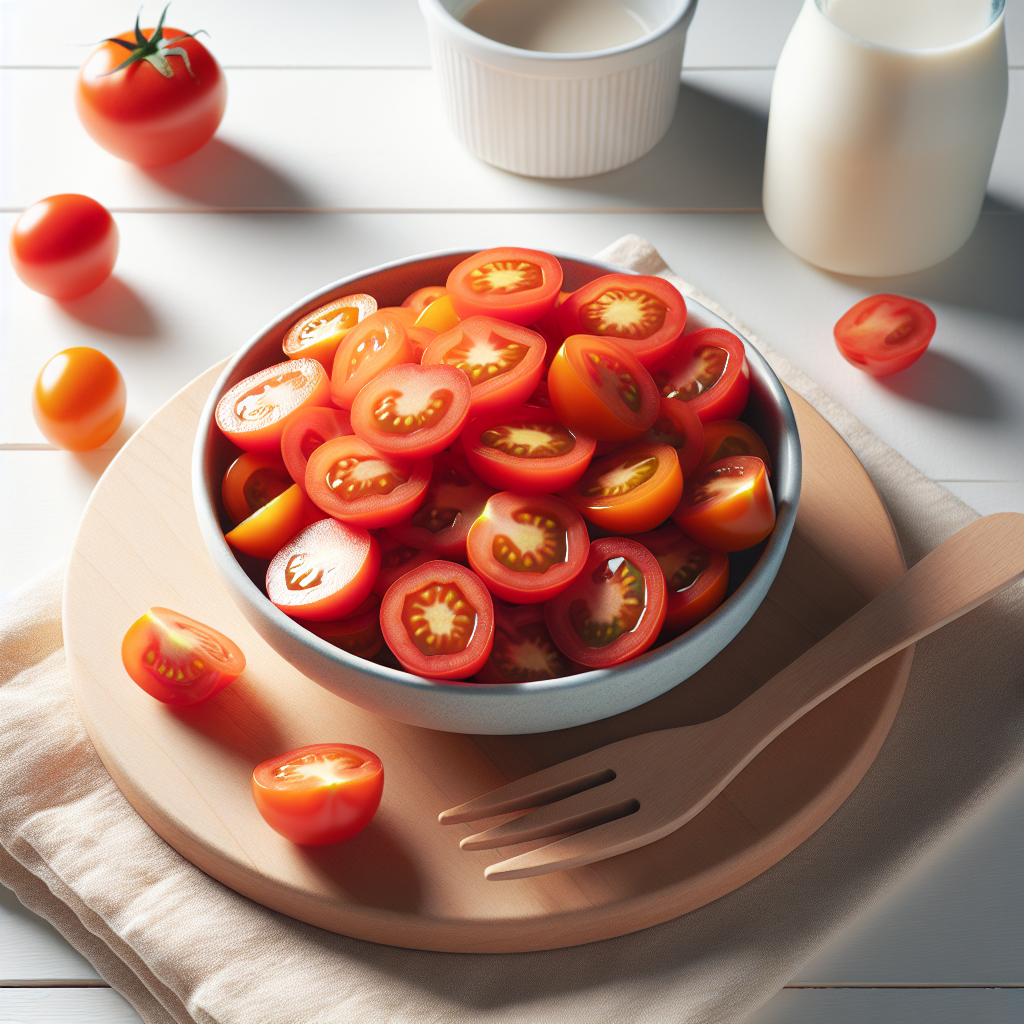
Babies can be introduced to cherries from around six months of age, as soon as they are ready to start solid foods. Because cherries are a high choking risk, they must always be prepared carefully by removing stones and modifying the shape before offering them to your baby.
Is Cherry healthy for babies?
Cherries provide vitamin C, which supports immune function and helps the body absorb iron from other foods. They also contain fibre to support healthy digestion and small amounts of potassium. The deep red colour comes from anthocyanins, plant compounds that act as antioxidants in the body.
Higher-risk texture handling
Cherries are high choking risk because of their small, round shape, firm texture when underripe, and hard stones. The smooth skin can also make them slippery and difficult for babies and young children to control in the mouth.
Allergen introduction checklist
Cherries are not a common allergen and are generally well tolerated by most babies. However, as with any new food, introduce cherries on their own and watch for any signs of an adverse reaction.
General feeding checklist
Seat baby upright and stable for all meals.
Model slow chewing and allow baby to control pace.
Stop and reset if baby is upset, tired, or over-stuffed.
Readiness signs to check
Baby can sit upright with minimal support during meals.
Hands and mouth coordinate for bringing food to the mouth.
Tongue-thrust reflex is reduced, so food is not immediately pushed out.
Interest in self-feeding and opening mouth for food cues is visible.
Pause and seek advice if
Coughing is persistent or distress does not settle quickly during meals.
You notice repeated vomiting, rash, swelling, wheeze, or breathing changes after a food.
Baby struggles with swallowing progression over multiple meals despite texture adjustments.
There is a known medical condition affecting feeding, growth, or airway safety.
Choose very ripe, soft cherries and remove the stones completely. Quarter each cherry lengthwise or flatten it by pressing gently with your thumb to break the round shape. You can also mash cherries and spread them on a rice cake or serve them in a reusable food pouch for safe, supervised self-feeding.
9–11 months
Continue to serve very ripe, soft cherries with stones removed. Quarter small cherries lengthwise or flatten them to remove the spherical shape, then offer as finger food. As your baby's pincer grasp develops, quartered pieces are ideal for practising this skill whilst remaining safer than whole or halved fruit.
12–24 months
Always remove stones and continue to quarter or halve cherries to reduce choking risk, even as your toddler becomes more confident with eating. Very ripe, soft cherries can be served as bite-sized pieces, but always modify round shapes. Supervise closely and encourage your child to sit upright whilst eating.
Common questions about Cherry
Do I need to remove cherry skins for my baby?
Remove skins if they are tough or your baby struggles with them, but soft, ripe cherry skins are generally safe and provide extra fibre.
Can babies choke on cherries?
Yes, cherries are a high choking risk due to their round shape, firm texture, and stones, so always remove stones and modify the shape by quartering or flattening before serving.
How do I know if a cherry is ripe enough for my baby?
A ripe cherry should be very soft when gently squeezed and have a deep, uniform colour with no green or pale patches.