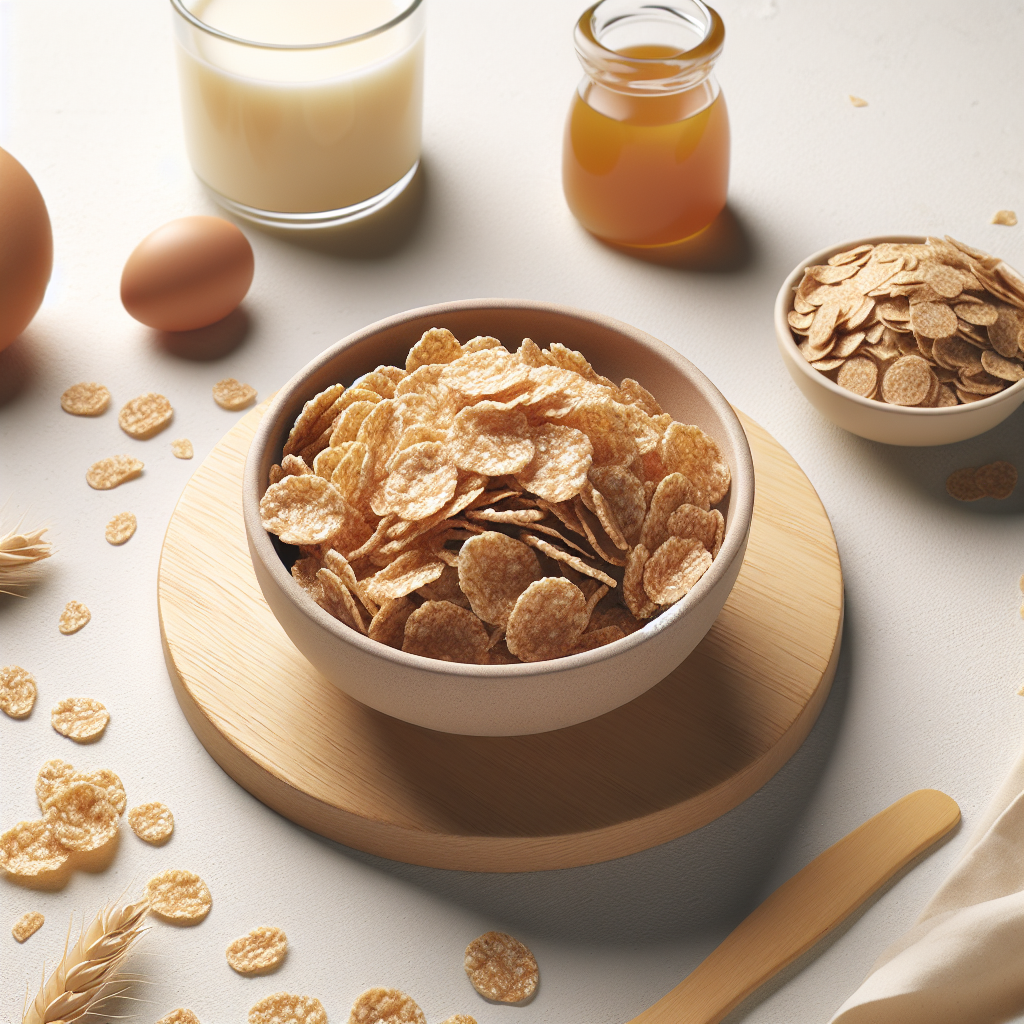
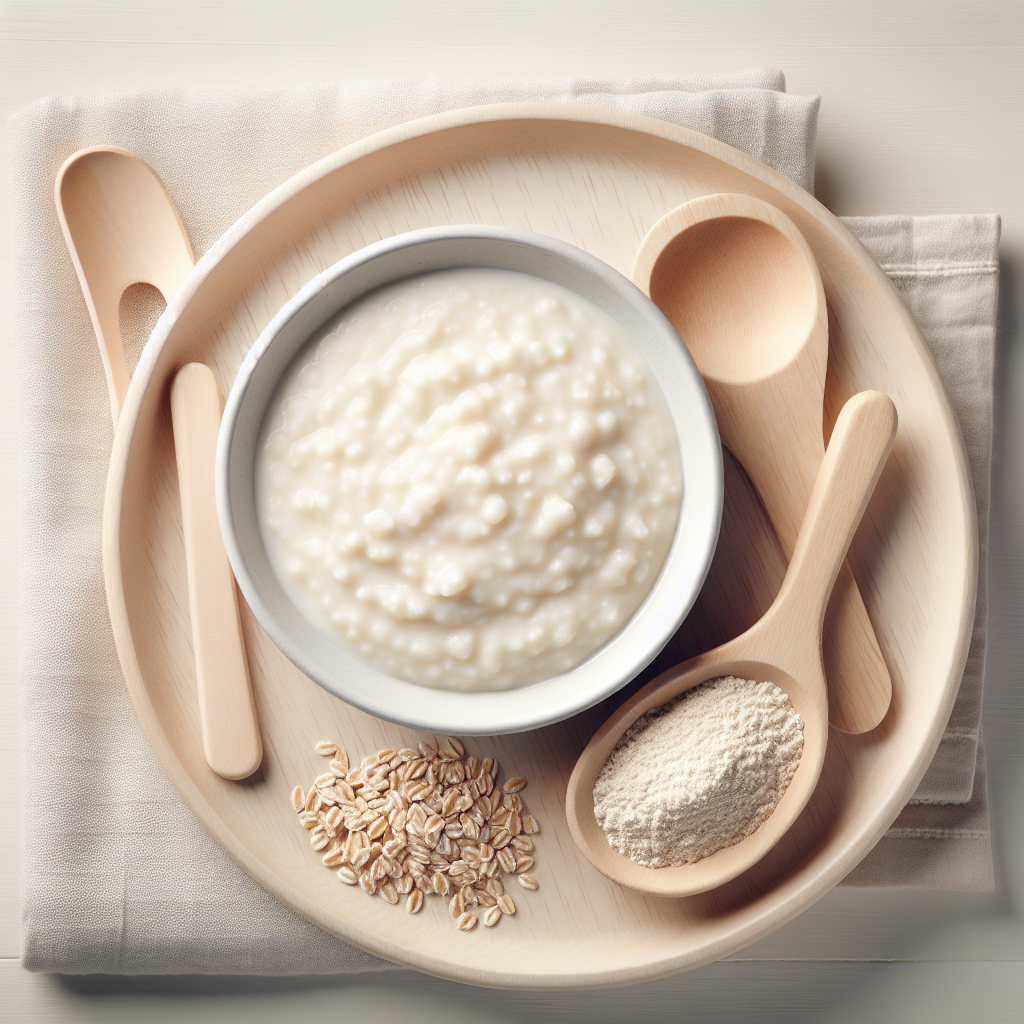
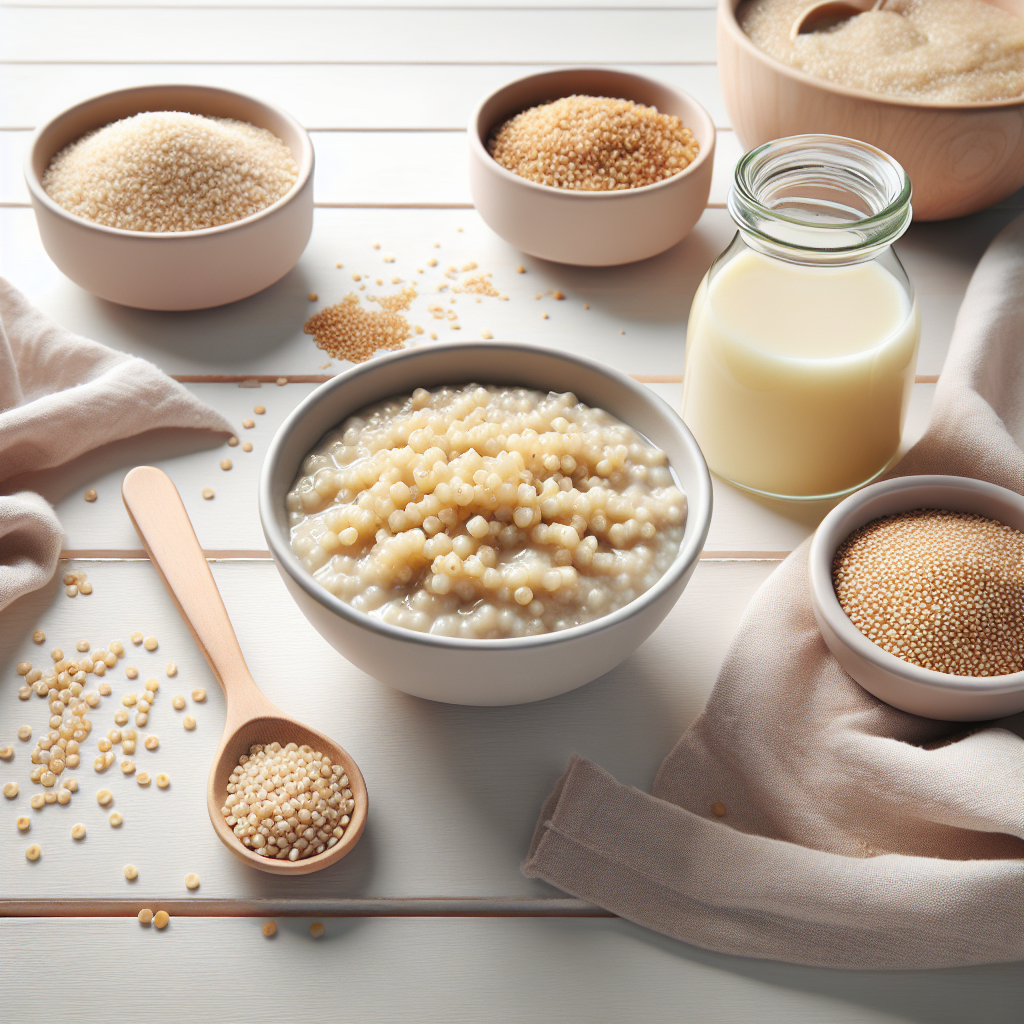
Softened bran flakes may be introduced as soon as your baby is ready to start solids, which is generally around 6 months of age. As with all cereals, ensure the bran flakes are well-softened with breast milk, formula, water, or yogurt to create a texture that is easy for your baby to manage. This food is particularly helpful for babies who need extra iron and fibre in their diet.
Is Bran flake softened healthy for babies?
Bran flakes are an excellent source of iron, which is essential for brain development and preventing anaemia in babies. They also provide fibre, which supports healthy digestion, though too much fibre can be difficult for young babies to manage, so offer in appropriate portions. Many bran flakes are fortified with additional vitamins and minerals, including B vitamins that support energy and growth.
Lower-risk serving reminders
Softened bran flakes present a low choking risk because the soaking process breaks down the dry, crunchy texture into a soft, pliable consistency that babies can easily mash with their gums. When mixed with liquid, the flakes become sticky and cohesive, which helps prevent loose pieces from scattering in the mouth.
Allergen introduction checklist
Bran flakes made from wheat are not a common allergen on their own, though wheat is one of the priority allergens. If your baby has not yet been introduced to wheat, this can be an opportunity to do so, and as with all new foods, watch for signs of a reaction during the few days following introduction.
General feeding checklist
Seat baby upright and stable for all meals.
Model slow chewing and allow baby to control pace.
Stop and reset if baby is upset, tired, or over-stuffed.
Readiness signs to check
Baby can sit upright with minimal support during meals.
Hands and mouth coordinate for bringing food to the mouth.
Tongue-thrust reflex is reduced, so food is not immediately pushed out.
Interest in self-feeding and opening mouth for food cues is visible.
Pause and seek advice if
Coughing is persistent or distress does not settle quickly during meals.
You notice repeated vomiting, rash, swelling, wheeze, or breathing changes after a food.
Baby struggles with swallowing progression over multiple meals despite texture adjustments.
There is a known medical condition affecting feeding, growth, or airway safety.
Mix a small portion of bran flakes with breast milk, formula, water, or full-fat yogurt and allow them to soak until completely soft and mashable. Serve on a pre-loaded spoon or spread thinly on a silicone mat for your baby to scoop with their hands. You can also mix the softened flakes into mashed fruit or vegetable purees to add texture and nutrition.
9–11 months
Continue to soften bran flakes well, but you can leave the mixture slightly thicker to encourage self-feeding with a spoon. Offer in a small bowl with a pre-loaded spoon for your baby to practise scooping, or shape the softened mixture into small, soft patties that your baby can pick up with their fingers. You can also stir softened bran flakes into porridge or yogurt for added texture and iron.
12–24 months
At this age, your toddler can manage bran flakes soaked to a cereal consistency and may begin to use a spoon more independently. You can also use softened bran flakes as a binding ingredient in homemade muffins, pancakes, or energy balls. If your child is comfortable with more texture, you may reduce soaking time slightly, though the flakes should still be soft enough to chew easily.
Common questions about Bran flake softened
Do I need to choose low-sugar bran flakes for my baby?
Yes, choose bran flakes with no added sugar or as little sugar as possible. Many varieties contain added sugar, so check the ingredients list and choose plain or lightly sweetened options.
Can bran flakes cause constipation in babies?
Bran flakes are high in fibre, which usually helps prevent constipation, but too much fibre without adequate fluid can have the opposite effect. Offer water with meals and monitor your baby's nappies.
How long should I soak bran flakes before serving?
Soak bran flakes for at least 5 to 10 minutes, or until they are completely soft and easy to mash between your fingers. The exact time will depend on the thickness of the flakes and the liquid used.