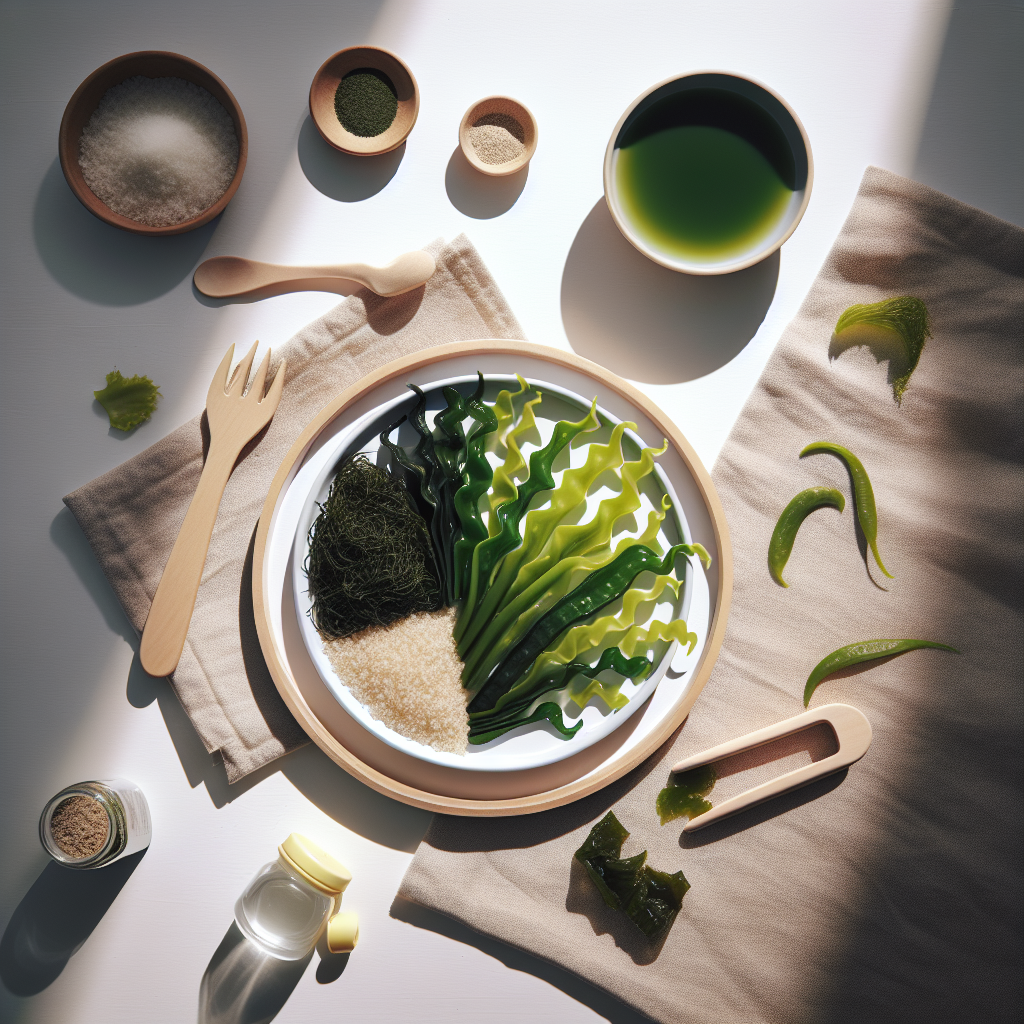
Wakame, a tender sea vegetable, can be introduced as soon as your baby is ready to start solids, which is typically around 6 months of age. When prepared properly by steaming or simmering until very soft, wakame becomes slippery and easy to gum, making it suitable for early eaters. Always ensure wakame is thoroughly cooked and cut appropriately for your baby's developmental stage.
Is Wakame healthy for babies?
Wakame is rich in iodine, which supports healthy thyroid function and metabolism, though iodine content can vary depending on where the seaweed is harvested. It also provides folate, magnesium, and calcium, minerals that support bone development and overall growth. Sea vegetables like wakame offer trace minerals often less abundant in land-based vegetables, adding diversity to your baby's diet.
Lower-risk serving reminders
Wakame carries a low choking risk when prepared correctly because it becomes very soft and slippery once cooked, breaking down easily in the mouth. Its tender texture allows babies to gum and mash it without difficulty, and it dissolves readily with saliva.
Allergen introduction checklist
Wakame is not classified as a common allergen and allergic reactions are rare. However, as with any new food, introduce wakame on its own and watch for signs of sensitivity, which may include skin rashes, digestive upset, or unusual fussiness.
General feeding checklist
Seat baby upright and stable for all meals.
Model slow chewing and allow baby to control pace.
Stop and reset if baby is upset, tired, or over-stuffed.
Readiness signs to check
Baby can sit upright with minimal support during meals.
Hands and mouth coordinate for bringing food to the mouth.
Tongue-thrust reflex is reduced, so food is not immediately pushed out.
Interest in self-feeding and opening mouth for food cues is visible.
Pause and seek advice if
Coughing is persistent or distress does not settle quickly during meals.
You notice repeated vomiting, rash, swelling, wheeze, or breathing changes after a food.
Baby struggles with swallowing progression over multiple meals despite texture adjustments.
There is a known medical condition affecting feeding, growth, or airway safety.
Rinse dried wakame thoroughly, then soak in water for 5 to 10 minutes until rehydrated. Simmer the wakame in fresh unsalted water for 10 to 15 minutes until very soft and slippery, then cut into finger-length strips about 5 to 8 centimetres long and as wide as two adult fingers. Serve one or two strips on their own or alongside other foods, allowing your baby to grip the slippery pieces and bring them to their mouth to explore.
9–11 months
Continue to cook wakame until very soft, then cut into smaller strips or bite-sized pieces around 2 to 4 centimetres long to match your baby's developing pincer grasp. You can also chop cooked wakame finely and mix it into porridge, mashed vegetables, or grain dishes to add minerals and introduce the flavour. Ensure pieces remain soft enough to mash easily between your fingers before serving.
12–24 months
Offer cooked wakame in small, soft pieces that your toddler can pick up with their fingers or practise with a spoon or fork. Wakame can be stirred into soups, noodle dishes, or rice bowls as part of family meals, keeping added salt to a minimum. As chewing skills improve, you can offer slightly larger or less finely chopped pieces, but always ensure the wakame remains tender and easy to chew.
Common questions about Wakame
Does wakame need to be rinsed before cooking for babies?
Yes, rinse dried wakame thoroughly under cold water to remove excess salt and any grit, then soak and cook until very soft before serving to babies.
Can I use wakame from miso soup for baby-led weaning?
It's best to prepare wakame separately without added salt or seasoning, as shop-bought miso soup and restaurant versions typically contain too much sodium for babies.
How long should I cook wakame for babies?
Simmer rehydrated wakame for 10 to 15 minutes until it's very soft and tender enough to mash easily between your fingers, ensuring it's safe for your baby to gum.