When can babies have Sunflower seed butter thin spread?
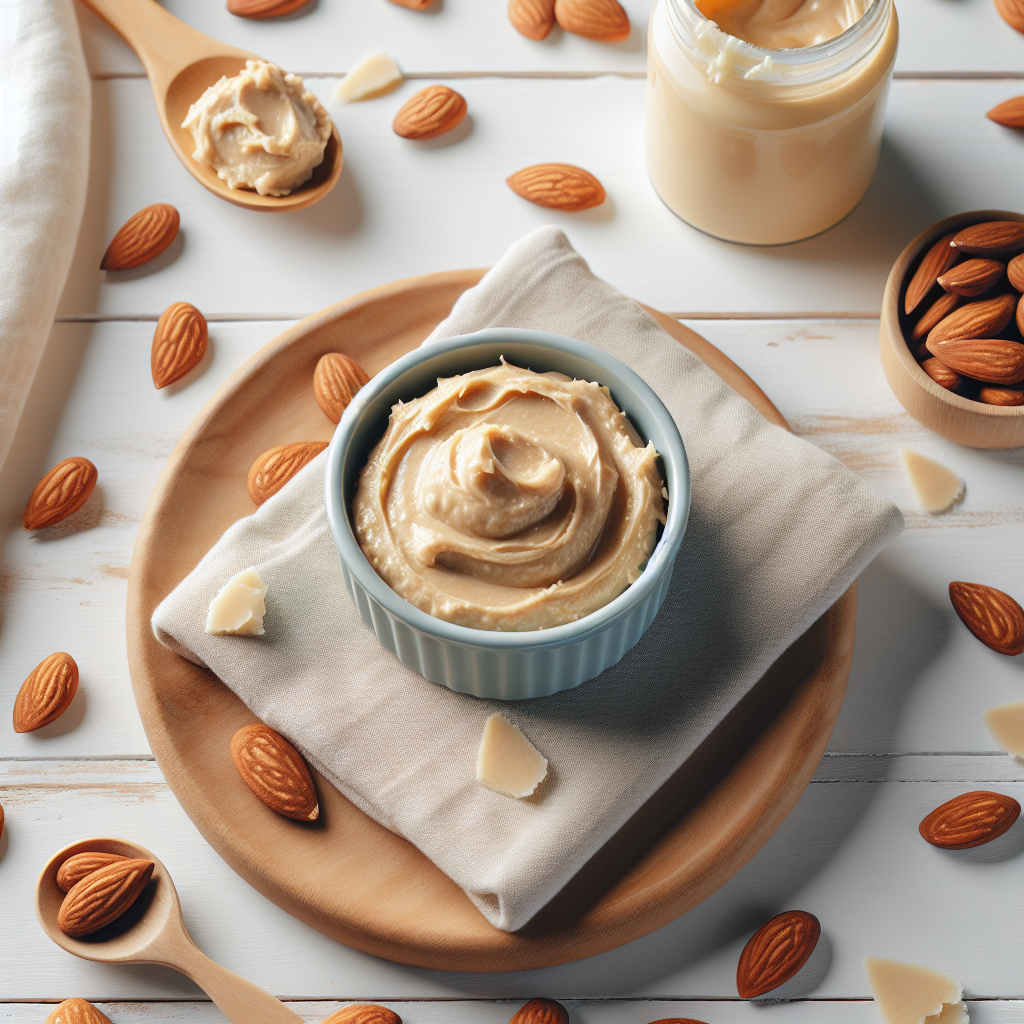
Sunflower seed butter thinly spread can be introduced as soon as your baby is ready to start solids, which is typically around 6 months of age. Because sunflower seed butter is thick and sticky, it must always be spread thinly on other foods to reduce the risk of choking. Never offer sunflower seed butter by the spoonful or in thick globs.
Is Sunflower seed butter thin spread healthy for babies?
Sunflower seed butter is an excellent source of protein, which supports growth and development in babies. It also provides healthy fats, including vitamin E, which plays a role in immune function and skin health. Additionally, sunflower seed butter contains minerals like magnesium and selenium, which support overall development.
Lower-risk serving reminders
When spread thinly on appropriate foods, sunflower seed butter poses a low choking risk because it does not create a sticky mass that can block the airway. The key is ensuring it is always diluted or spread very thinly, never served in thick amounts that could adhere to the mouth or throat.
Allergen information
Sunflower seed butter may contain milk as an allergen if processed in facilities that handle dairy or if dairy ingredients are added during manufacturing. Always check the ingredient label carefully, as pure sunflower seed butter typically does not contain milk unless it has been added.
Milk (dairy)
General feeding checklist
Seat baby upright and stable for all meals.
Model slow chewing and allow baby to control pace.
Stop and reset if baby is upset, tired, or over-stuffed.
Readiness signs to check
Baby can sit upright with minimal support during meals.
Hands and mouth coordinate for bringing food to the mouth.
Tongue-thrust reflex is reduced, so food is not immediately pushed out.
Interest in self-feeding and opening mouth for food cues is visible.
Pause and seek advice if
Coughing is persistent or distress does not settle quickly during meals.
You notice repeated vomiting, rash, swelling, wheeze, or breathing changes after a food.
Baby struggles with swallowing progression over multiple meals despite texture adjustments.
There is a known medical condition affecting feeding, growth, or airway safety.
How to serve Sunflower seed butter thin spread by age
6–8 months
Spread a very thin layer of sunflower seed butter on lightly toasted strips of bread, cut into pieces about the size of two adult fingers placed together. You can also thin the sunflower seed butter with a bit of water, breast milk, or formula and stir it into porridge or yoghurt. Avoid offering thick dollops or letting your baby eat it directly from a spoon.
9–11 months
Continue spreading sunflower seed butter very thinly on toast strips, rice cakes, or soft crackers that your baby can hold and bite. You can also spread it thinly inside a quesadilla or on soft pancakes cut into manageable pieces. As your baby's pincer grasp develops, offer bite-sized pieces of the prepared foods rather than long strips.
12–24 months
Spread sunflower seed butter thinly on whole grain toast, crackers, or rice cakes, and cut into small pieces your toddler can manage independently. You can also use it as a dip for soft fruit slices like banana or as a thin spread in sandwiches. Continue to monitor portion thickness and ensure it remains a thin layer to support safe chewing and swallowing.
Common questions about Sunflower seed butter thin spread
Can I give my baby sunflower seed butter instead of peanut butter?
Yes, sunflower seed butter is a nutritious alternative to peanut butter and is often used in nut-free households. Always spread it thinly to reduce choking risk.
Why does sunflower seed butter sometimes turn green?
Sunflower seed butter can turn green or grey when it reacts with baking soda or alkaline ingredients, but this colour change is harmless and safe to eat.
How thinly should I spread sunflower seed butter for my baby?
Spread sunflower seed butter as thinly as possible, like a light scrape across bread or crackers, so it does not create a thick, sticky layer that could pose a choking risk.