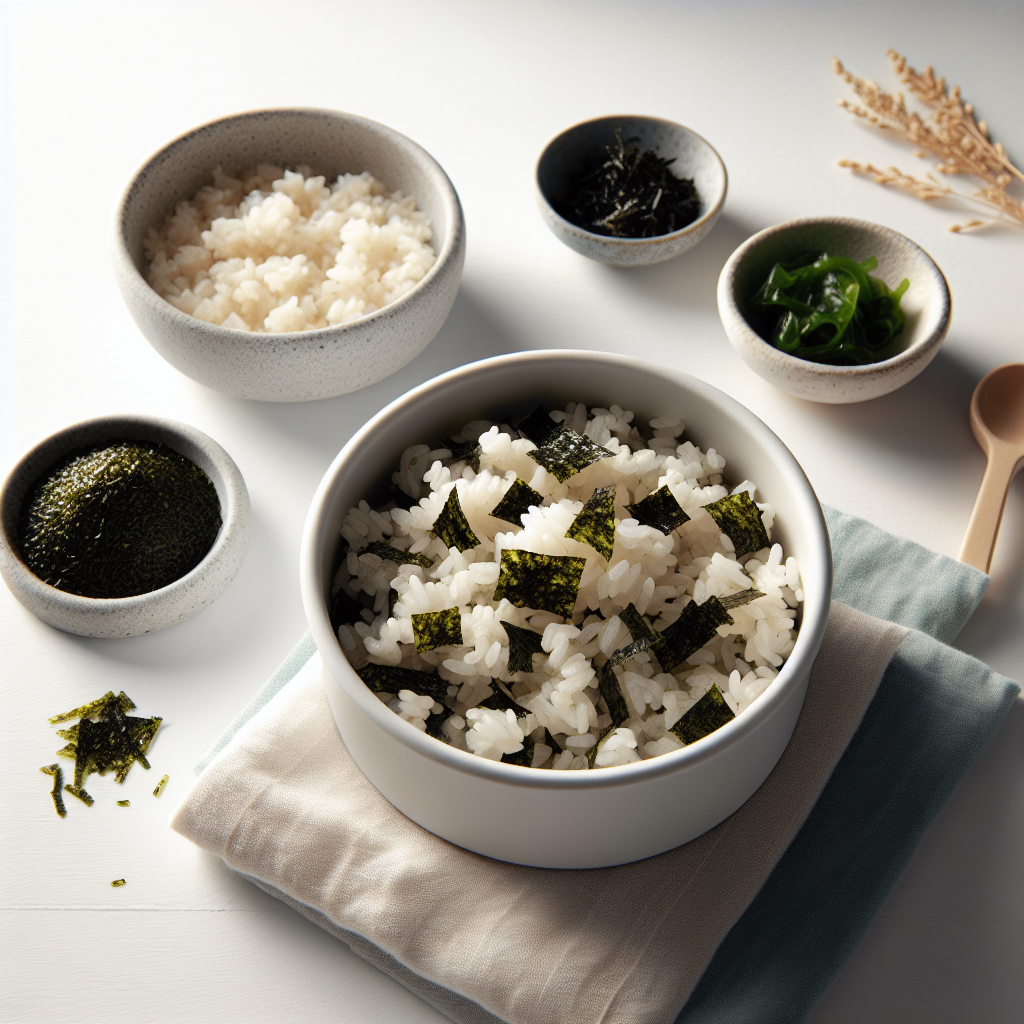
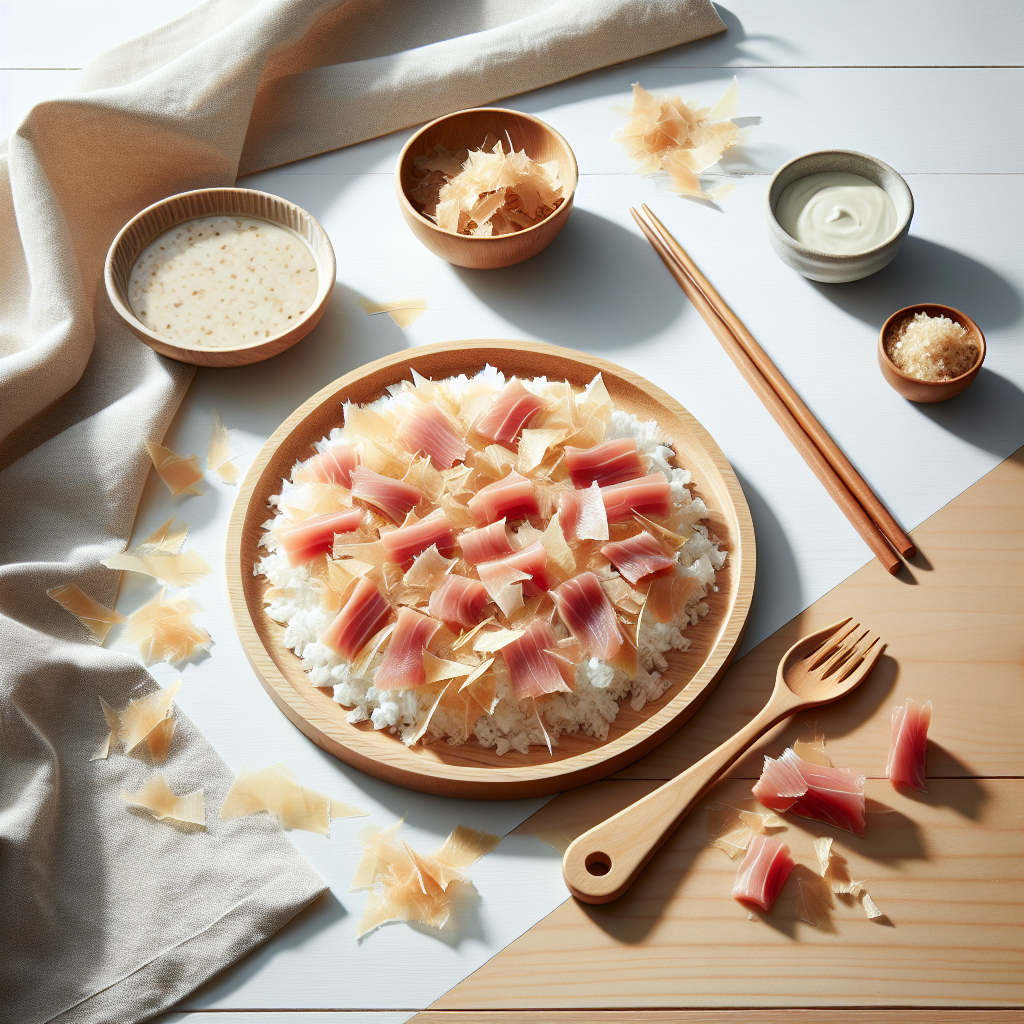
Seaweed furikake may be introduced as soon as baby is ready to start solid foods, which is typically around 6 months of age. Because furikake is a seasoning blend rather than a standalone food, use it sparingly to add flavour to suitable baby-led weaning foods like rice, vegetables, or fish. Always check the label for added salt, as many commercial furikake blends contain high sodium levels that are not appropriate for babies.
Is Seaweed furikake trace healthy for babies?
Seaweed furikake is naturally rich in iron, iodine, and trace minerals that support healthy growth and thyroid function in babies. The seaweed provides small amounts of omega-3 fatty acids and B vitamins, while sesame seeds contribute healthy fats and calcium. However, because furikake is used in very small amounts as a seasoning, it should complement rather than replace iron-rich whole foods in your baby's diet.
Lower-risk serving reminders
Seaweed furikake has a low choking risk because it consists of finely ground or flaked ingredients that dissolve quickly when mixed with moisture from food or saliva. When sprinkled lightly onto appropriate foods, the small particles do not pose the size or texture hazards associated with higher-risk items.
Allergen information
Seaweed furikake often contains sesame seeds, which are a common allergen and must be introduced carefully as part of an allergen introduction plan. Watch for signs of an allergic reaction, including rash, hives, vomiting, or difficulty breathing, and consult your healthcare provider if you have concerns.
Sesame
General feeding checklist
Seat baby upright and stable for all meals.
Model slow chewing and allow baby to control pace.
Stop and reset if baby is upset, tired, or over-stuffed.
Readiness signs to check
Baby can sit upright with minimal support during meals.
Hands and mouth coordinate for bringing food to the mouth.
Tongue-thrust reflex is reduced, so food is not immediately pushed out.
Interest in self-feeding and opening mouth for food cues is visible.
Pause and seek advice if
Coughing is persistent or distress does not settle quickly during meals.
You notice repeated vomiting, rash, swelling, wheeze, or breathing changes after a food.
Baby struggles with swallowing progression over multiple meals despite texture adjustments.
There is a known medical condition affecting feeding, growth, or airway safety.
Sprinkle a very small pinch of low-sodium seaweed furikake onto soft, mashable foods such as well-cooked rice, mashed sweet potato, or steamed vegetables. Mix it thoroughly into the food rather than leaving it on the surface, so baby experiences the flavour without consuming a concentrated amount. Serve foods in a size and shape baby can grasp, such as thick strips or patties that are easy to hold and gum.
9–11 months
Continue to use seaweed furikake sparingly as a seasoning on bite-sized pieces of soft foods like rice balls, cooked vegetables, or flaked fish. At this age, baby may enjoy picking up small soft pieces, so you can form seasoned rice into small, squashable balls or offer soft vegetable pieces lightly dusted with furikake. Ensure all foods remain soft enough to mash between fingers and that the seasoning is evenly distributed.
12–24 months
Seaweed furikake can be used more liberally as a flavourful topping on family foods such as rice, noodles, scrambled eggs, or roasted vegetables, though still in small amounts due to sodium content. At this age, toddlers can manage a wider variety of textures, so you may sprinkle it onto foods without mixing it in completely. Continue to choose low-sodium versions and encourage drinking water with meals to support healthy eating habits.
Common questions about Seaweed furikake trace
Is seaweed furikake too salty for babies
Many commercial furikake blends contain added salt that exceeds the recommended daily sodium intake for babies. Look for low-sodium or salt-free versions, or make your own by mixing crushed nori, sesame seeds, and a small amount of dried fish.
Can I sprinkle furikake directly on food for my baby
Yes, you can sprinkle a very small pinch of low-sodium furikake onto soft foods like rice, mashed vegetables, or cooked fish to add flavour and nutrients. Ensure it is evenly mixed so baby does not consume a concentrated amount in one bite.
Does furikake contain fish or seafood allergens
Some furikake blends contain dried fish or bonito flakes, which are potential allergens. Always check the ingredient list and introduce these ingredients carefully if your baby has not yet tried fish or seafood.