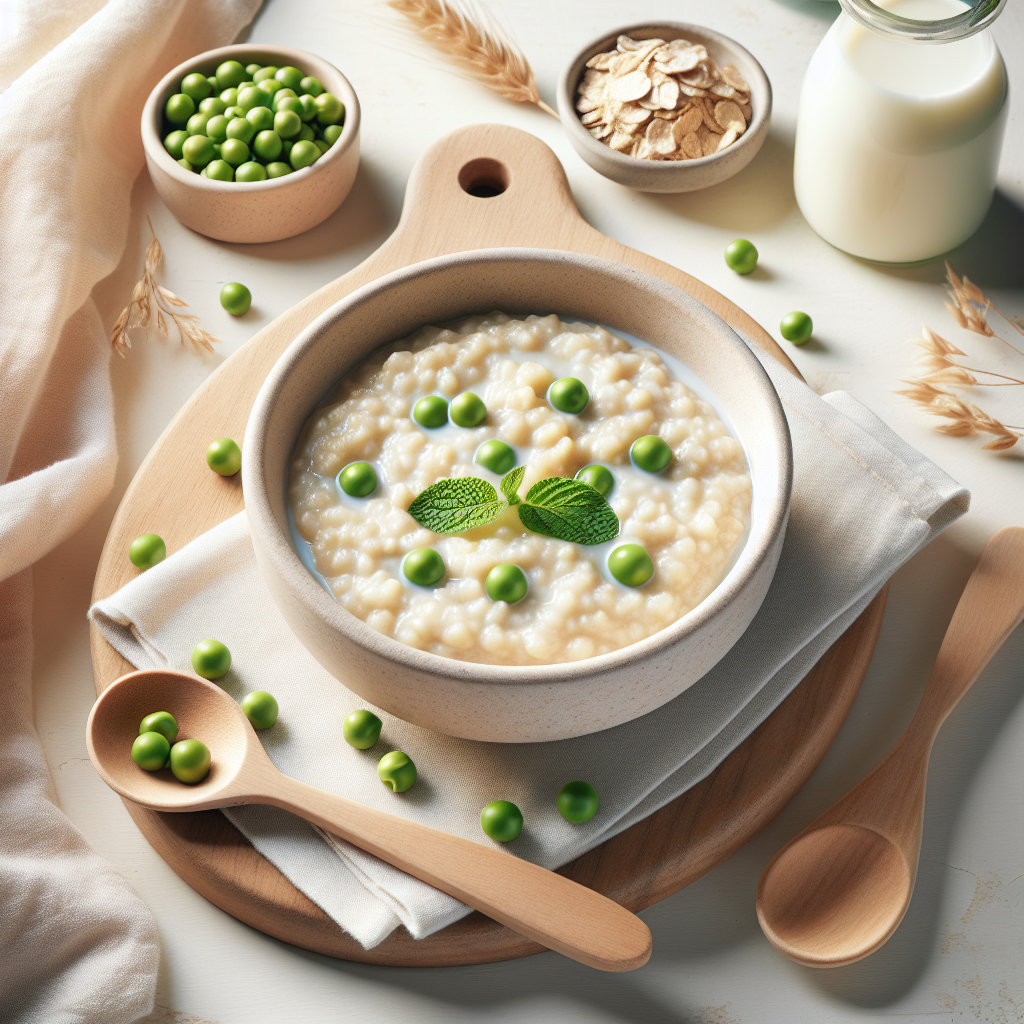
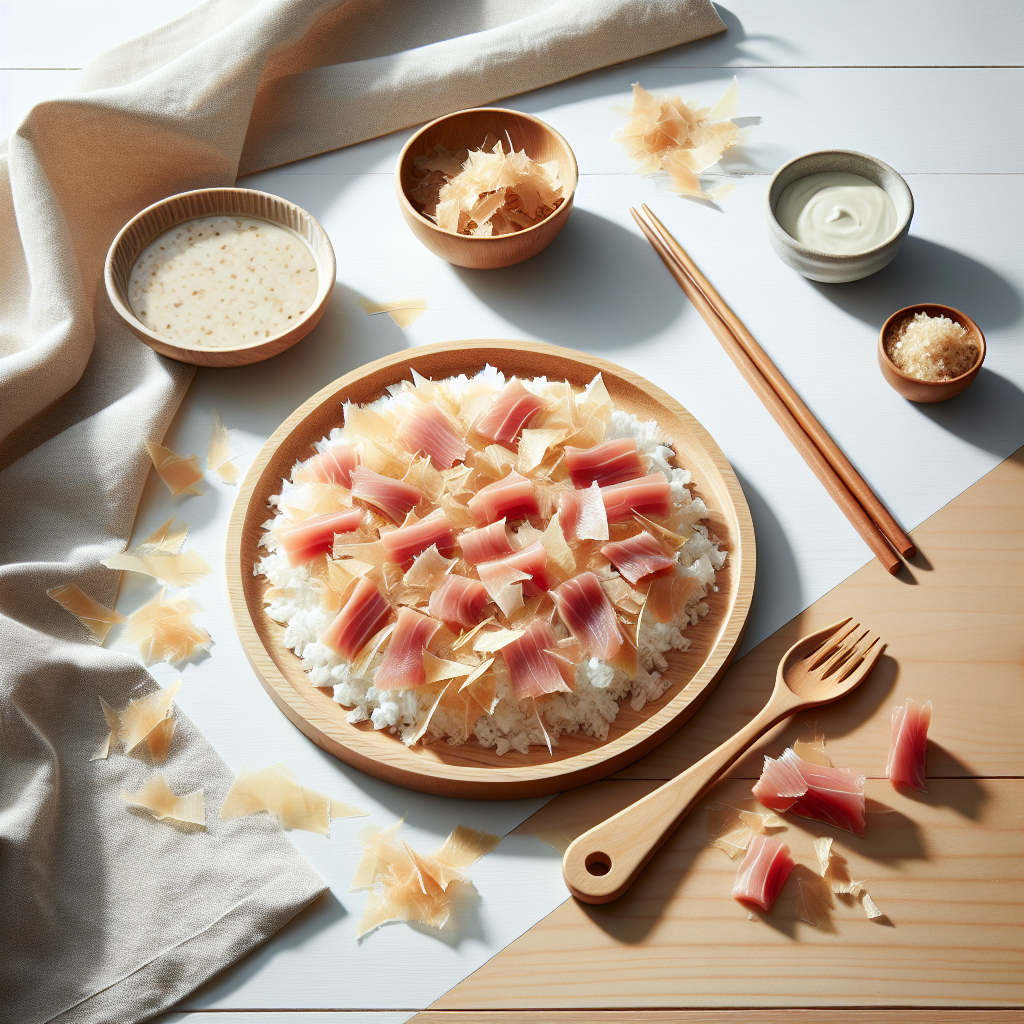
Pea milk in porridge may be offered from 6 months of age, as soon as your baby is ready to start solid foods. As pea milk is made from yellow split peas, it is considered dairy-free, though some products may be processed in facilities that handle cow's milk, so always check labels if dairy allergy is a concern. Porridge made with pea milk provides a smooth, soft texture that is appropriate for early eaters.
Is Pea milk in porridge healthy for babies?
Pea milk is a good source of plant-based protein, which supports growth and development in babies. It often contains added calcium and vitamin D, which are important for bone health, though amounts vary by product. Porridge made with pea milk offers carbohydrates for energy alongside the protein, making it a balanced breakfast option for young children.
Lower-risk serving reminders
Porridge prepared with pea milk has a low choking risk because it is soft, moist, and easy to swallow. The smooth or slightly thick consistency moves safely through baby's mouth without forming hard or dry pieces that could obstruct the airway.
Allergen information
Pea milk itself is not a common allergen and is often used as an alternative to dairy milk. However, some pea milk products may be processed in facilities that handle cow's milk or other allergens, so check packaging if your baby has known allergies. Introduce pea milk in porridge as you would any new food, watching for signs of a reaction.
Milk (dairy)
General feeding checklist
Seat baby upright and stable for all meals.
Model slow chewing and allow baby to control pace.
Stop and reset if baby is upset, tired, or over-stuffed.
Readiness signs to check
Baby can sit upright with minimal support during meals.
Hands and mouth coordinate for bringing food to the mouth.
Tongue-thrust reflex is reduced, so food is not immediately pushed out.
Interest in self-feeding and opening mouth for food cues is visible.
Pause and seek advice if
Coughing is persistent or distress does not settle quickly during meals.
You notice repeated vomiting, rash, swelling, wheeze, or breathing changes after a food.
Baby struggles with swallowing progression over multiple meals despite texture adjustments.
There is a known medical condition affecting feeding, growth, or airway safety.
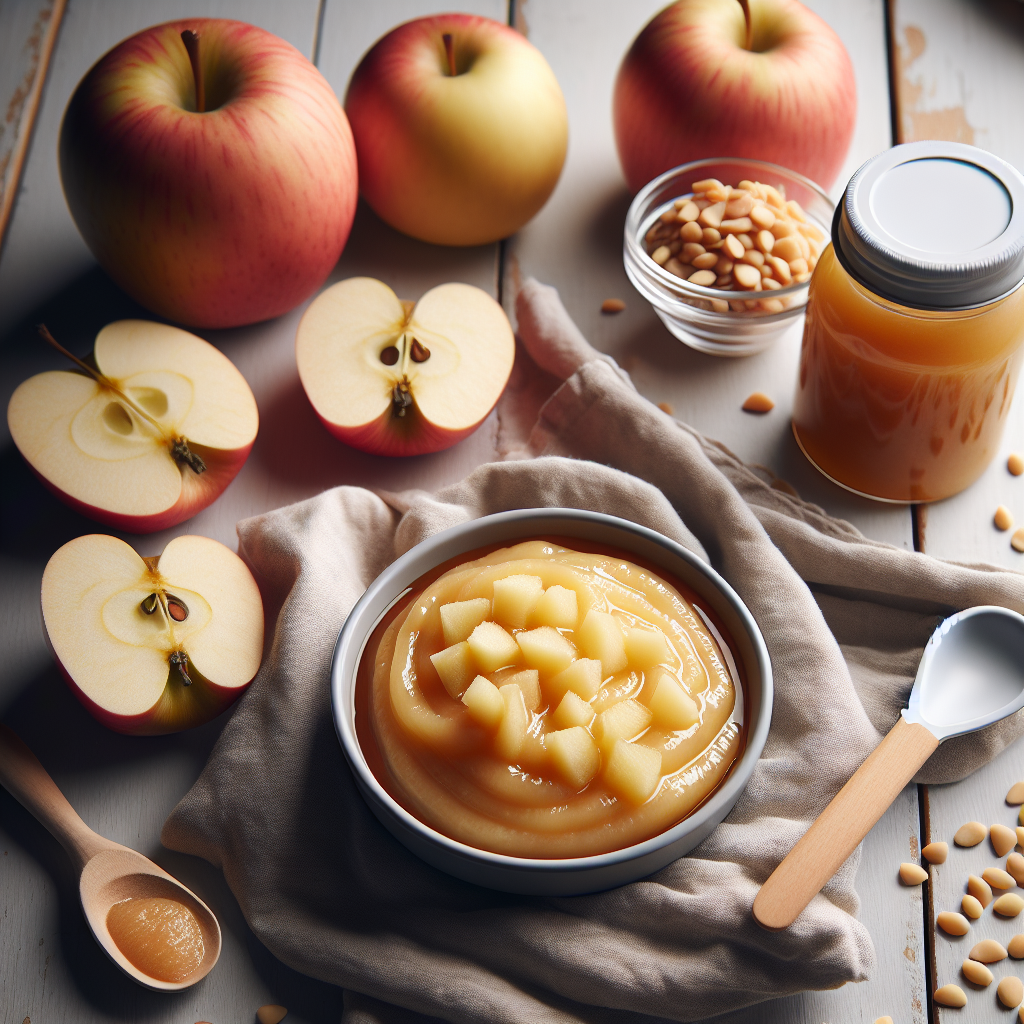
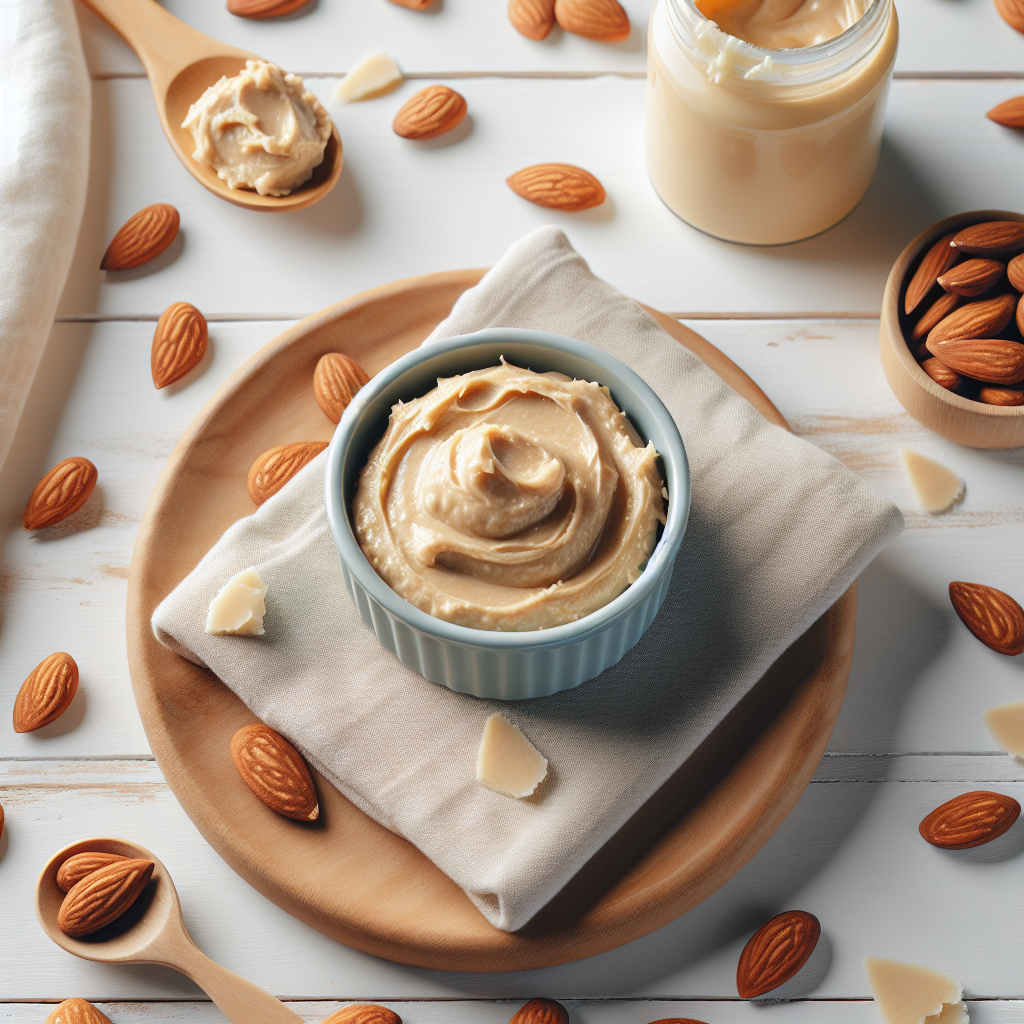
Prepare porridge with pea milk to a smooth, slightly thick consistency that is easy for baby to scoop or collect on their palms or fingers. You can serve it in a bowl for baby to dip hands into or preload a spoon for them to bring to their mouth. Consider mixing in a small amount of nut or seed butter, mashed fruit, or ground flaxseed to boost nutrition and flavour.
9–11 months
Continue offering porridge made with pea milk at a consistency baby can manage, either smooth or slightly thicker depending on their developing chewing skills. Serve it in a bowl with a spoon for self-feeding practice, or let baby dip pieces of soft toast or finger foods into the porridge. You can also add soft, bite-sized pieces of fruit or cooked vegetables to introduce more texture.
12–24 months
Serve porridge made with pea milk at the consistency your toddler prefers, which may be thicker as their chewing skills improve. Offer it in a bowl with a spoon, and encourage self-feeding as they refine their utensil skills. Continue to add toppings such as soft fruit, ground seeds, or nut butter to keep meals varied and nutrient-dense.
Common questions about Pea milk in porridge
Is pea milk safe for babies with a cow's milk allergy?
Pea milk is dairy-free and generally safe for babies with cow's milk allergy, but always check the label to ensure it has not been processed in a facility that handles dairy if cross-contamination is a concern.
Can I use pea milk instead of cow's milk in porridge for my baby?
Yes, pea milk can be used in place of cow's milk when preparing porridge for babies from 6 months. Choose an unsweetened variety without added salt or sugar, and ensure it is fortified with calcium if possible.
Does pea milk porridge provide enough nutrition for my baby?
Pea milk porridge offers protein, carbohydrates, and often added calcium and vitamin D, making it a nutritious option. Pair it with a variety of other foods throughout the day to meet your baby's broader nutritional needs.