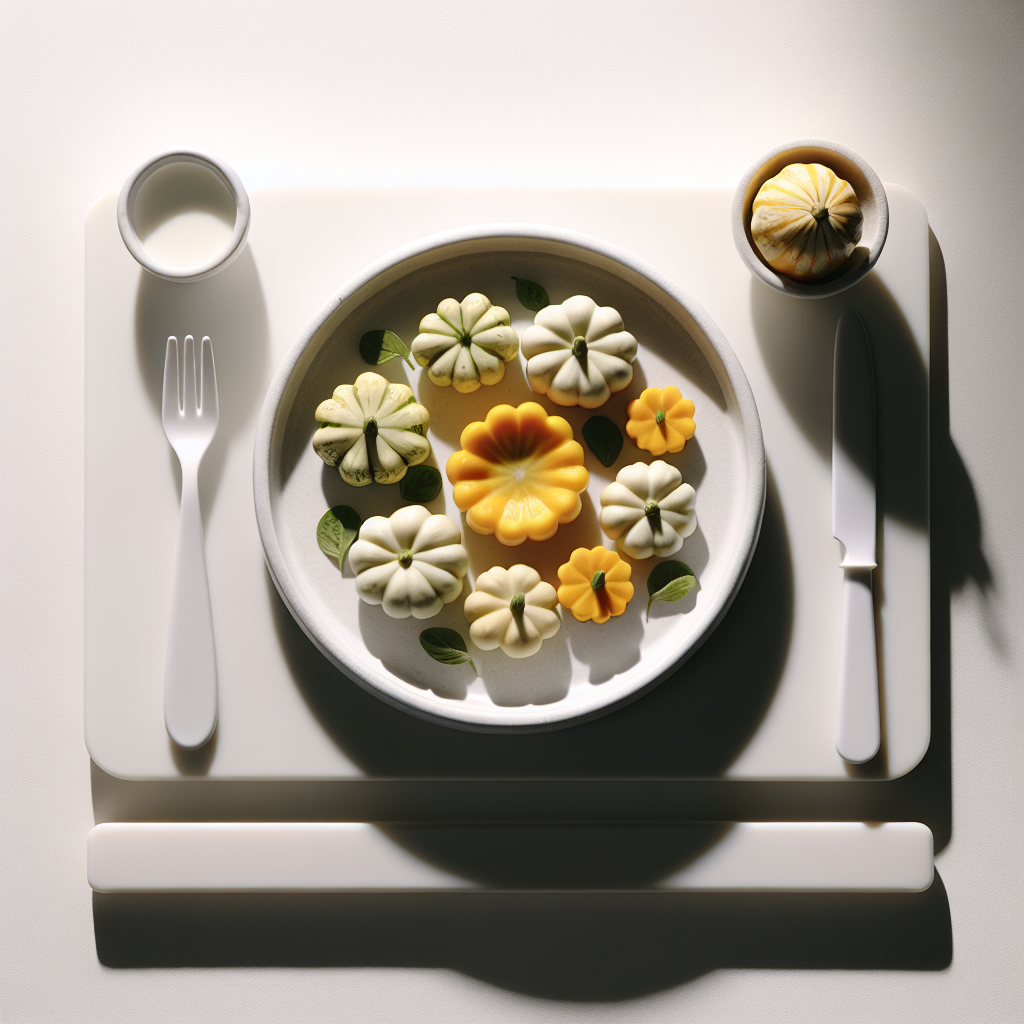
Pattypan squash may be introduced as soon as your baby is ready to start solid foods, which is generally around 6 months of age. As with all foods, ensure your baby is showing signs of readiness for solids, such as sitting independently and bringing objects to their mouth. When cooked until very soft, pattypan squash is naturally gentle on new eaters.
Is Pattypan squash healthy for babies?
Pattypan squash provides vitamin C to support immune function and skin health, as well as folate and smaller amounts of vitamin A. It also offers fibre to support healthy digestion, which can be helpful as babies adjust to solid foods. Its mild flavour and soft texture make it an accessible vegetable for early eaters.
Lower-risk serving reminders
Pattypan squash has a low choking risk when cooked until very soft and offered in age-appropriate sizes. Its tender, moist texture when steamed or roasted breaks down easily in a baby's mouth, making it suitable for early eaters.
Allergen introduction checklist
Pattypan squash is not a common allergen and is generally well tolerated by babies. As with all new foods, introduce it on its own and watch for any signs of an adverse reaction, though allergies to squash are rare.
General feeding checklist
Seat baby upright and stable for all meals.
Model slow chewing and allow baby to control pace.
Stop and reset if baby is upset, tired, or over-stuffed.
Readiness signs to check
Baby can sit upright with minimal support during meals.
Hands and mouth coordinate for bringing food to the mouth.
Tongue-thrust reflex is reduced, so food is not immediately pushed out.
Interest in self-feeding and opening mouth for food cues is visible.
Pause and seek advice if
Coughing is persistent or distress does not settle quickly during meals.
You notice repeated vomiting, rash, swelling, wheeze, or breathing changes after a food.
Baby struggles with swallowing progression over multiple meals despite texture adjustments.
There is a known medical condition affecting feeding, growth, or airway safety.
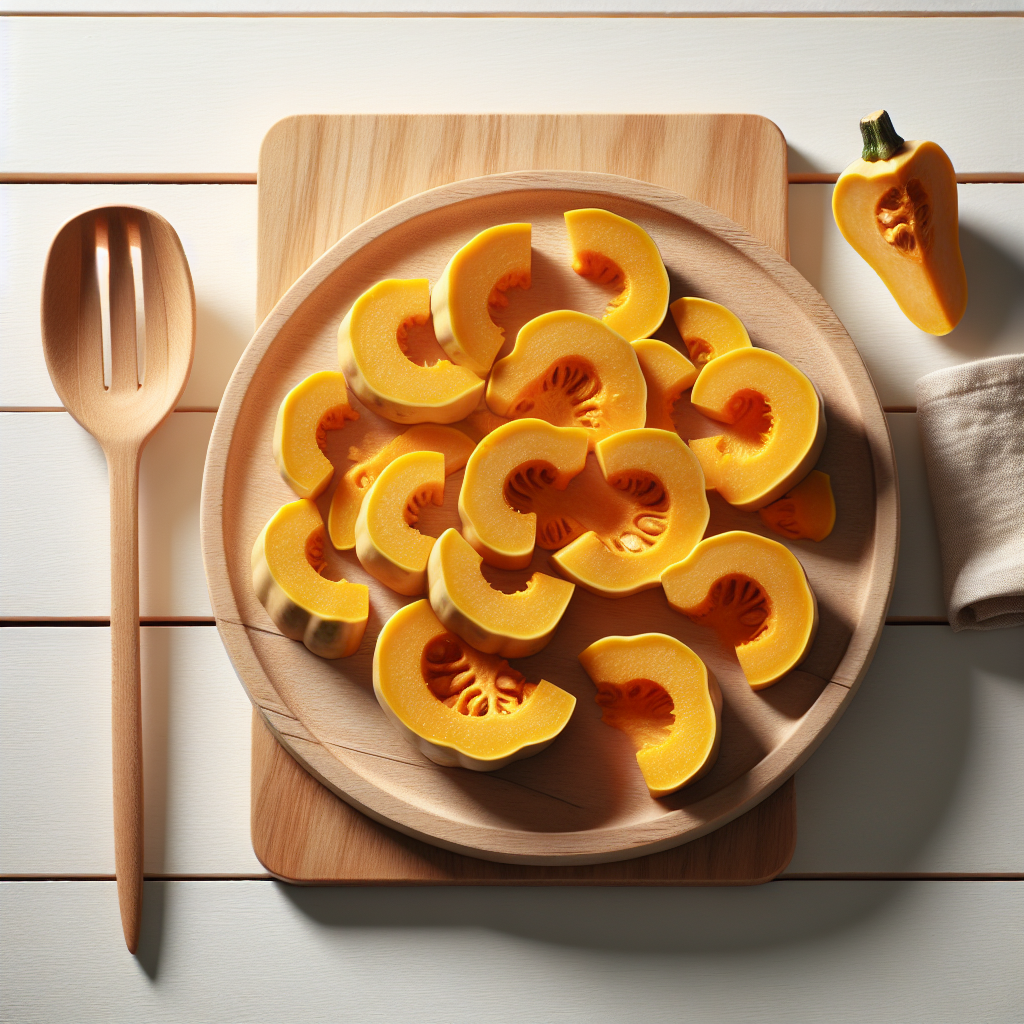
Steam or roast pattypan squash until very soft, then cut it into finger-length strips or large wedges that your baby can hold in their palm with part sticking out to gum. You can halve a small squash or quarter a larger one, removing the seeds if desired, though soft seeds are safe to eat. The ridged edges of pattypan squash make it easier for little hands to grip.
9–11 months
Continue to cook pattypan squash until very soft, but you can now offer it in smaller pieces such as thick coins or bite-sized chunks. These pieces should still mash easily between your fingers and be large enough for your baby to practise their developing pincer grasp. You can also serve soft florets or scoop-shaped pieces that encourage self-feeding.
12–24 months
Offer pattypan squash cooked until soft in pieces that match your toddler's chewing ability, such as bite-sized chunks, slices, or even whole small squash halves for exploratory eating. As your child's chewing skills improve, the squash can be slightly firmer but should still yield easily to gentle pressure. You can also mix cooked pattypan squash into pasta, grains, or other family meals.
Common questions about Pattypan squash
Do I need to peel pattypan squash for my baby?
The skin of pattypan squash becomes very tender when cooked and does not need to be peeled. Leaving the skin on adds extra fibre and makes the pieces easier for babies to grip.
Can my baby eat raw pattypan squash?
Raw pattypan squash is too firm for babies and presents a choking risk. Always cook it until very soft before offering it to your baby.
How do I know when pattypan squash is soft enough for my baby?
Pattypan squash is ready when you can easily mash a piece between your thumb and forefinger with minimal pressure. It should be tender throughout and never crunchy or firm.