Parsnip can be introduced as soon as your baby is ready to start solid foods, which is typically around 6 months of age. This sweet, earthy root vegetable is a lovely early food when cooked until very soft, making it easy for babies to gum and swallow. Always ensure parsnip is thoroughly cooked to reduce any risk and support safe self-feeding.
Is Parsnip healthy for babies?
Parsnip is a good source of fibre, which supports healthy digestion and helps prevent constipation in babies. It also provides vitamin C, which aids iron absorption and supports immune function, along with folate and potassium. The natural sweetness of parsnip often makes it appealing to babies while offering valuable nutrients for growth and development.
Lower-risk serving reminders
Parsnip has a low choking risk when prepared properly, as it becomes soft and mashable when steamed or roasted until tender. The vegetable breaks down easily in the mouth, allowing babies to safely manage it with their gums even before teeth emerge.
Allergen introduction checklist
Parsnip is not a common allergen and is generally well tolerated by babies. Allergic reactions to parsnip are rare, though theoretically possible as with any food, so watch for signs such as rash, vomiting, or unusual fussiness after introducing it for the first time.
General feeding checklist
Seat baby upright and stable for all meals.
Model slow chewing and allow baby to control pace.
Stop and reset if baby is upset, tired, or over-stuffed.
Readiness signs to check
Baby can sit upright with minimal support during meals.
Hands and mouth coordinate for bringing food to the mouth.
Tongue-thrust reflex is reduced, so food is not immediately pushed out.
Interest in self-feeding and opening mouth for food cues is visible.
Pause and seek advice if
Coughing is persistent or distress does not settle quickly during meals.
You notice repeated vomiting, rash, swelling, wheeze, or breathing changes after a food.
Baby struggles with swallowing progression over multiple meals despite texture adjustments.
There is a known medical condition affecting feeding, growth, or airway safety.
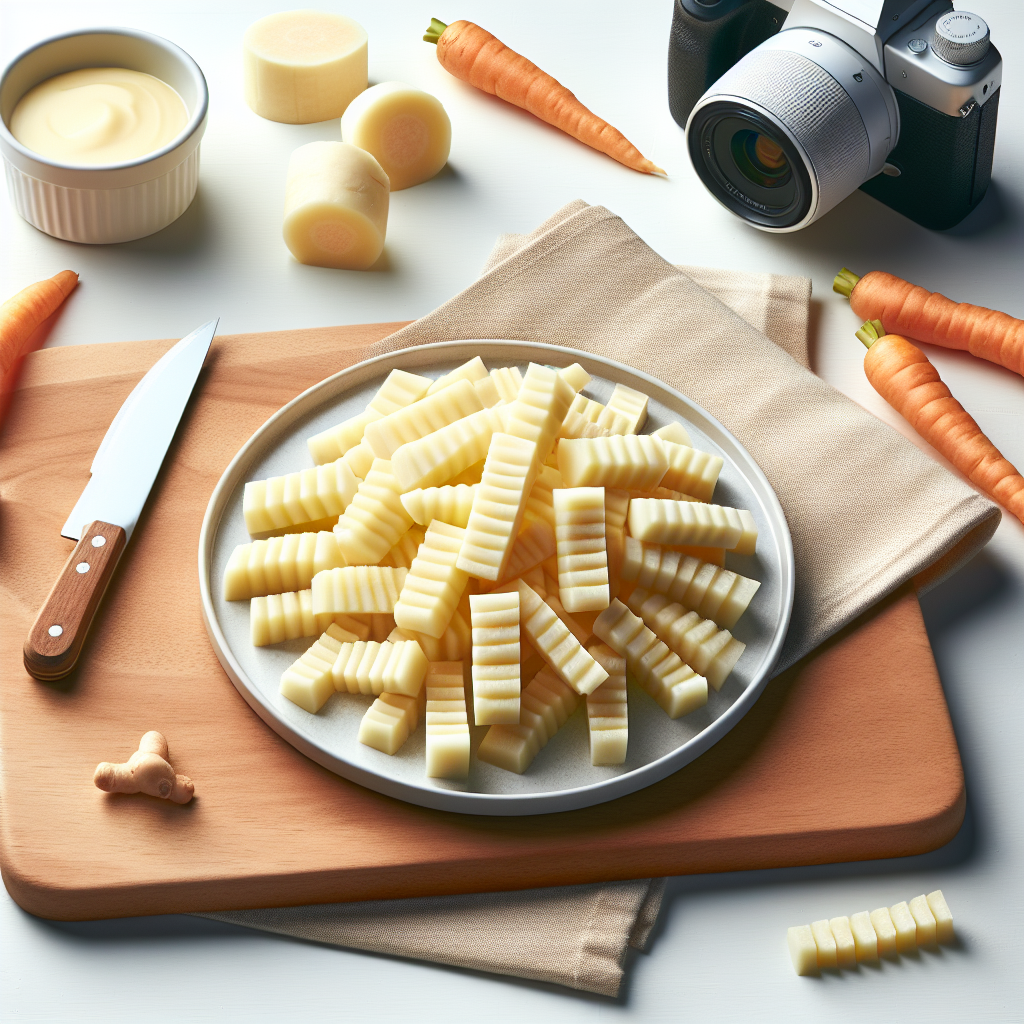
Steam or roast peeled parsnip until it is very soft and easily pierced with a fork. Cut into finger-length strips about the size of an adult finger, or offer large wedges that your baby can hold in their fist with some sticking out to gum. The pieces should mash easily between your fingers, allowing your baby to safely explore the texture and flavour while practising their grasp.
9–11 months
Continue to cook parsnip until soft, then cut into smaller pieces such as thick coins or bite-sized strips that your baby can pick up with their developing pincer grasp. The pieces should still mash easily between your fingers to ensure safe chewing and swallowing. You can also offer small soft florets if roasting parsnip in chunks, giving your baby a variety of shapes to practise with.
12–24 months
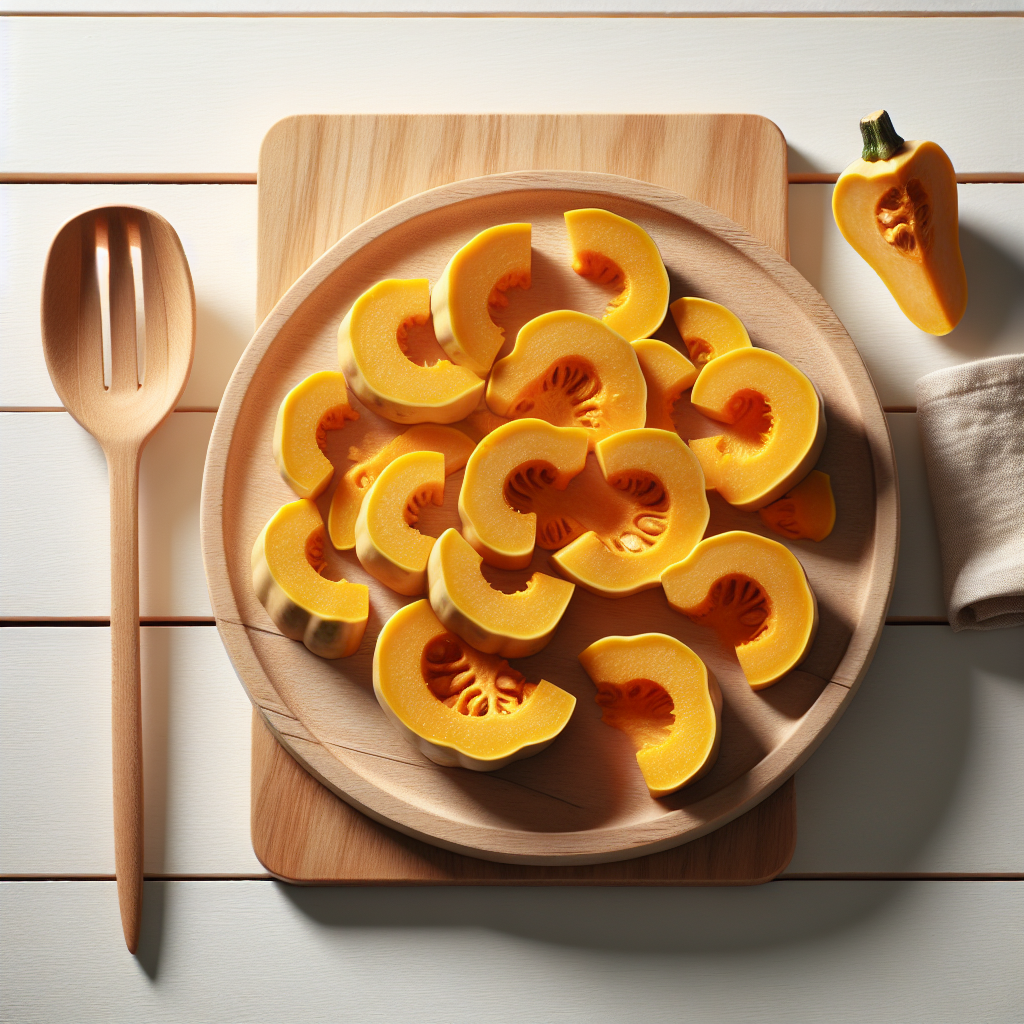
Offer cooked parsnip in pieces that match your toddler's chewing ability, such as bite-sized cubes, half-moons, or small strips. While the parsnip should still be soft, toddlers with established molars can manage slightly firmer textures than younger babies. You can also mash or chop roasted parsnip into family meals like stews, soups, or mixed vegetable dishes to encourage varied eating.
Common questions about Parsnip
Do I need to peel parsnip for my baby?
Peeling parsnip is recommended for babies, as the skin can be tougher and harder to cook until soft. Peeled parsnip also has a milder, sweeter flavour that babies often prefer.
Can parsnip cause constipation in babies?
Parsnip is actually a good source of fibre and typically supports healthy digestion rather than causing constipation. Ensure your baby is drinking enough water and breast milk or formula alongside solid foods.
Should I roast or steam parsnip for baby-led weaning?
Both methods work well as long as the parsnip is cooked until very soft and mashable. Steaming tends to keep parsnip moist and easier for younger babies to manage, while roasting can add flavour and variety for older babies.