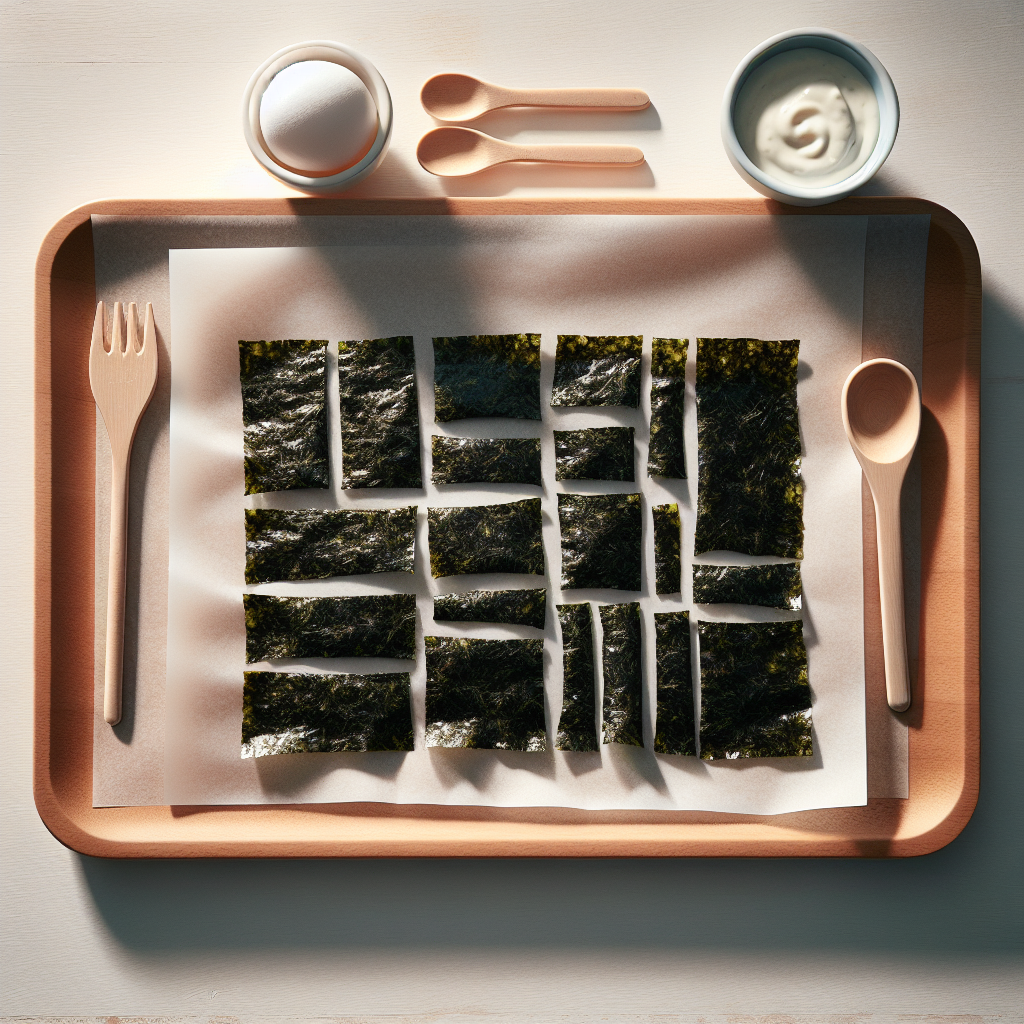
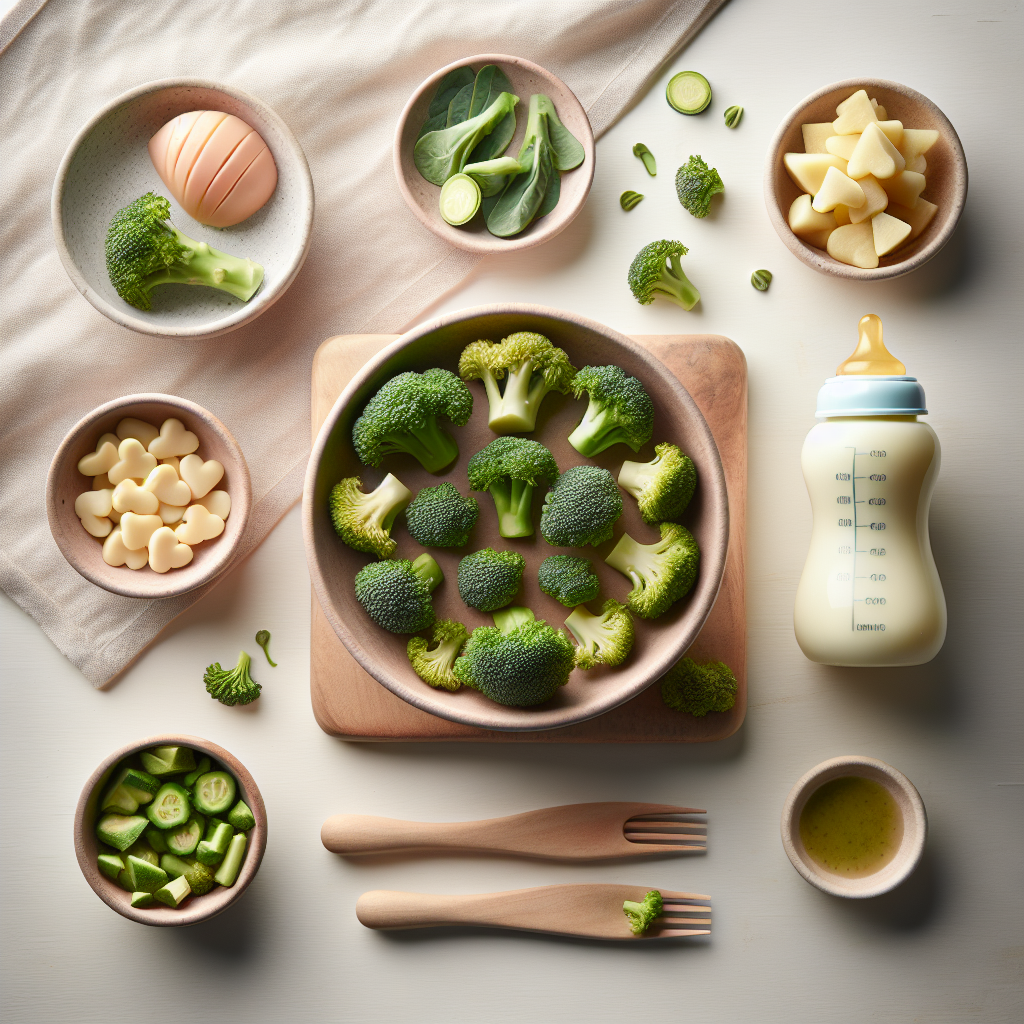
Nori can be introduced as soon as your baby is ready to start solids, which is generally around 6 months of age. Because nori sheets become soft and sticky when moistened with saliva or food, they break down easily in the mouth and pose a low choking risk. Always ensure nori is torn into appropriately sized pieces and supervise your baby closely during meals.
Is Nori sheet torn healthy for babies?
Nori is rich in iodine, which supports healthy thyroid function and brain development in babies. It also provides small amounts of vitamins A, C, and K, as well as folate and fibre. While nori is a nutritious food, it should be offered in moderation due to its iodine content, and it's best to choose low-sodium varieties for babies.
Lower-risk serving reminders
Nori has a low choking risk because it quickly becomes soft and dissolves when it comes into contact with moisture in the mouth. The thin, papery texture breaks down easily, making it manageable even for babies who are just learning to eat solids.
Allergen introduction checklist
Nori is not a common allergen and is generally well tolerated by babies. However, seaweed products can sometimes be contaminated with shellfish during harvesting or processing, so it's worth being aware if your baby has a shellfish allergy.
General feeding checklist
Seat baby upright and stable for all meals.
Model slow chewing and allow baby to control pace.
Stop and reset if baby is upset, tired, or over-stuffed.
Readiness signs to check
Baby can sit upright with minimal support during meals.
Hands and mouth coordinate for bringing food to the mouth.
Tongue-thrust reflex is reduced, so food is not immediately pushed out.
Interest in self-feeding and opening mouth for food cues is visible.
Pause and seek advice if
Coughing is persistent or distress does not settle quickly during meals.
You notice repeated vomiting, rash, swelling, wheeze, or breathing changes after a food.
Baby struggles with swallowing progression over multiple meals despite texture adjustments.
There is a known medical condition affecting feeding, growth, or airway safety.
Tear nori into palm-sized pieces or strips approximately 5 cm long and 2–3 cm wide that your baby can grasp and bring to their mouth. The nori will quickly soften as your baby gums it, making it easy to manage. You can offer plain torn nori on its own or use it to wrap soft foods like avocado or well-cooked rice to add flavour and texture.
9–11 months
Continue to tear nori into smaller strips, around 3–5 cm long, as your baby's pincer grasp develops. At this age, babies can manage smaller pieces and may enjoy nori wrapped around soft finger foods like flaked fish or mashed sweet potato. Nori can also be crumbled over foods like porridge or scrambled eggs to introduce a savoury, umami flavour.
12–24 months
Tear nori into bite-sized pieces or thin strips that your toddler can easily pick up and chew. At this stage, nori works well as a snack on its own or as a wrapper for rice balls, vegetables, or other family foods. You can also crumble it over noodles, soups, or grain bowls to add nutrition and flavour.
Common questions about Nori sheet torn
Can babies have nori sheets?
Yes, babies can have nori from 6 months of age. Choose plain, unseasoned nori or varieties with minimal salt, and tear it into appropriately sized pieces for your baby's age and skill level.
Does nori need to be cooked for babies?
No, nori does not need to be cooked as it is already toasted and ready to eat. It softens quickly when it comes into contact with moisture, making it safe for babies to manage.
How much nori can I give my baby?
Offer nori in small amounts, such as a few torn strips at a time, due to its high iodine content. It works well as a flavourful addition to meals rather than as a main component.