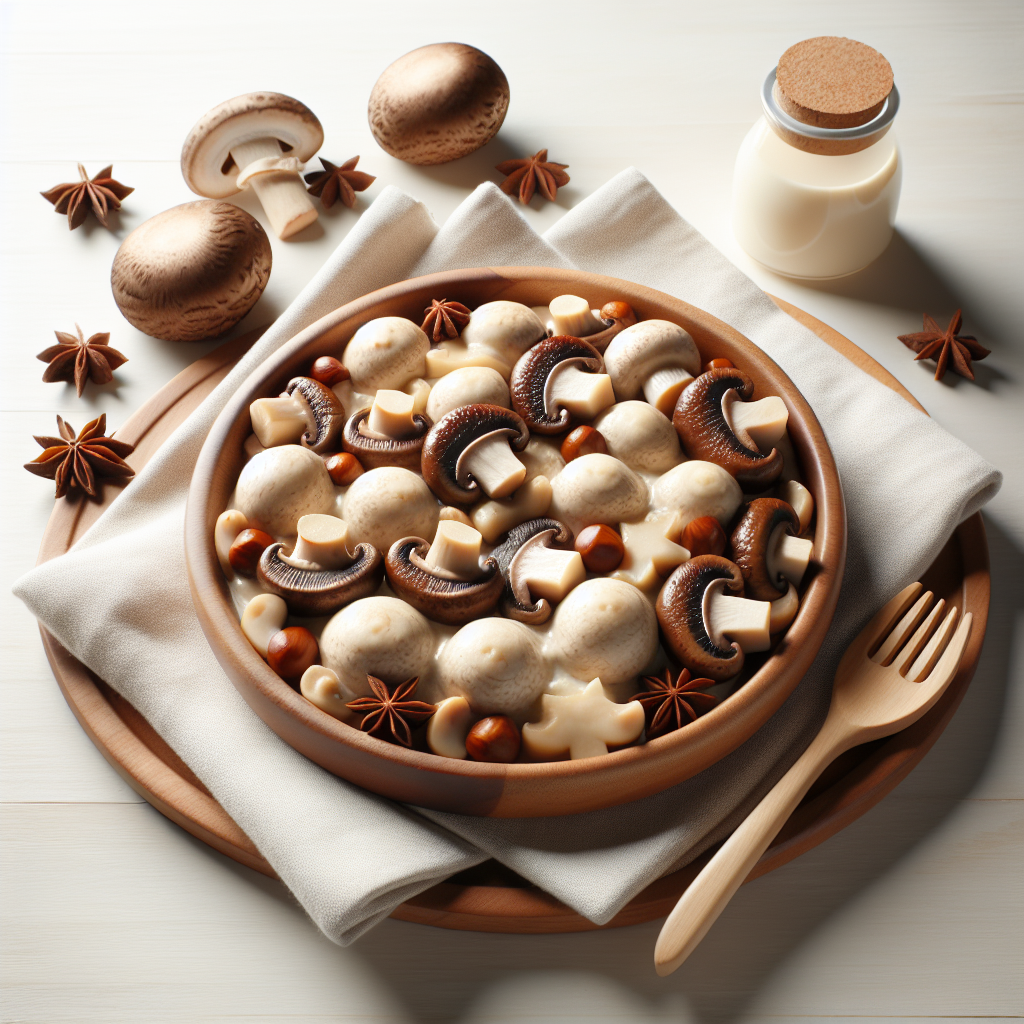
Chestnut mushrooms may be introduced as soon as your baby is ready to start solid foods, which is generally around 6 months of age. These mushrooms have a firm, meaty texture when raw but become soft and tender when cooked thoroughly, making them suitable for babies learning to chew. Always cook chestnut mushrooms until very soft to ensure they are safe and easy for your baby to manage.
Is Mushroom chestnut healthy for babies?
Chestnut mushrooms are a good source of B vitamins, including riboflavin and niacin, which support energy production and healthy development. They also provide selenium, an antioxidant mineral that supports immune function, and dietary fibre to aid digestion. Mushrooms offer umami flavour, which can help develop your baby's palate and encourage acceptance of a variety of tastes.
Lower-risk serving reminders
Chestnut mushrooms present a low choking risk when cooked until very soft and served in age-appropriate shapes. Their naturally moist texture and ability to compress easily make them safe for babies to gum and chew, particularly when prepared as wide strips or large pieces that are difficult to bite off into small chunks.
Allergen introduction checklist
Chestnut mushrooms are not considered a common allergen and are generally well tolerated by babies. Allergic reactions to mushrooms are rare, though they can occur in individuals with sensitivities to moulds or fungi.
General feeding checklist
Seat baby upright and stable for all meals.
Model slow chewing and allow baby to control pace.
Stop and reset if baby is upset, tired, or over-stuffed.
Readiness signs to check
Baby can sit upright with minimal support during meals.
Hands and mouth coordinate for bringing food to the mouth.
Tongue-thrust reflex is reduced, so food is not immediately pushed out.
Interest in self-feeding and opening mouth for food cues is visible.
Pause and seek advice if
Coughing is persistent or distress does not settle quickly during meals.
You notice repeated vomiting, rash, swelling, wheeze, or breathing changes after a food.
Baby struggles with swallowing progression over multiple meals despite texture adjustments.
There is a known medical condition affecting feeding, growth, or airway safety.
Steam or roast chestnut mushrooms until they are very soft and easily pierced with a fork. Serve whole medium-sized mushrooms or cut larger ones into finger-length strips or thick wedges that your baby can grasp in their palm with a bit sticking out to gum. Avoid slippery preparations and ensure mushrooms are tender enough to mash against the roof of the mouth.
9–11 months
Continue to cook chestnut mushrooms until soft, then slice them into smaller pieces such as thick coins, florets with stems, or strips that your baby can pick up with their developing pincer grasp. Test that each piece mashes easily between your fingers to ensure it is safe to chew. You can incorporate cooked mushrooms into scrambled eggs, pasta, or grain bowls for variety.
12–24 months
Offer cooked chestnut mushrooms in bite-sized pieces appropriate to your toddler's chewing ability, such as quartered mushrooms, slices, or diced pieces. As your child's chewing skills improve, you can offer slightly firmer textures, though mushrooms should still be well cooked. Serve them as part of family meals, stirred into sauces, risottos, or stir-fries to encourage varied eating.
Common questions about Mushroom chestnut
Do chestnut mushrooms need to be peeled before giving them to my baby?
There is no need to peel chestnut mushrooms for babies. Simply wipe them clean with a damp cloth or rinse them briefly under water, then cook until very soft.
Can I serve chestnut mushrooms raw to my baby?
No, raw mushrooms are too firm and difficult for babies to chew safely. Always cook chestnut mushrooms thoroughly until they are soft and tender before offering them to your baby.
How can I make chestnut mushrooms more flavourful for my baby?
Try roasting or sautéing chestnut mushrooms with a small amount of olive oil or butter to bring out their natural umami flavour. You can also cook them with garlic, herbs, or a splash of low-sodium stock for added taste.