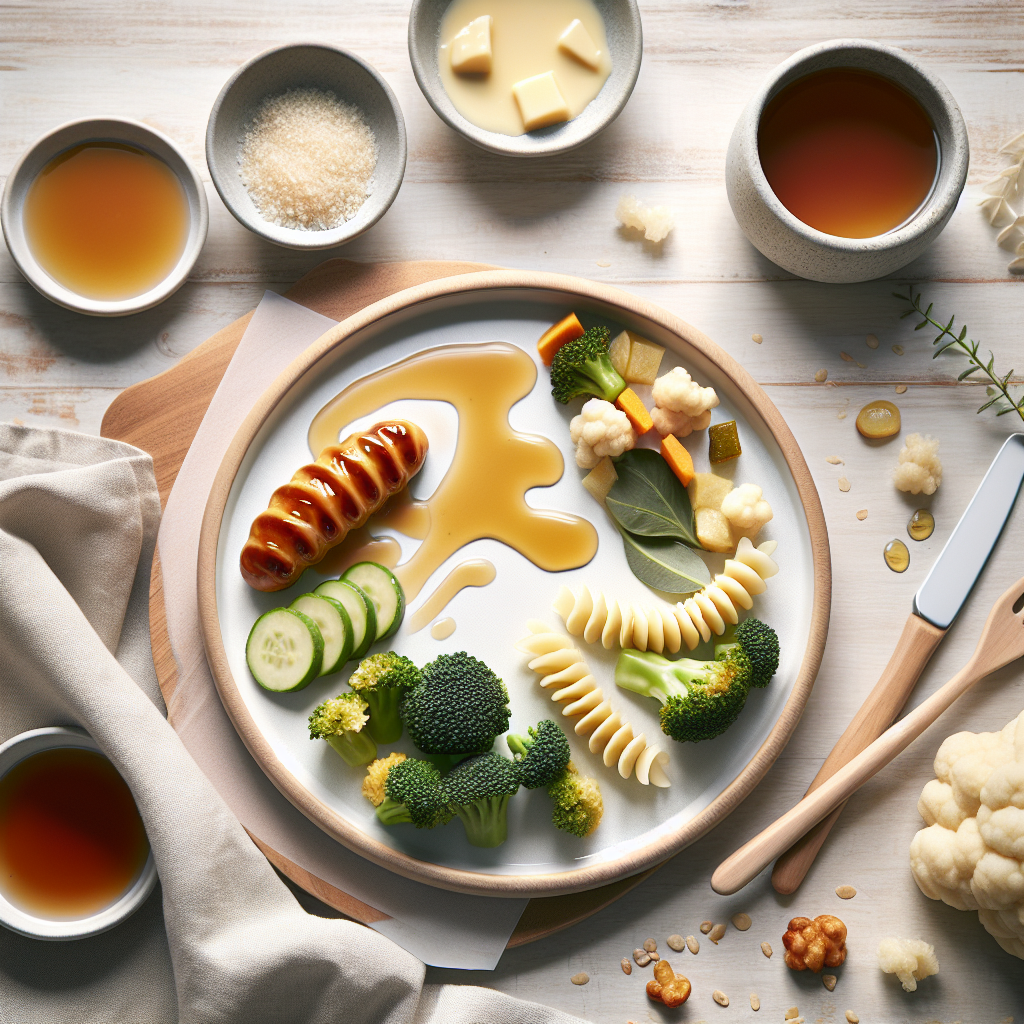
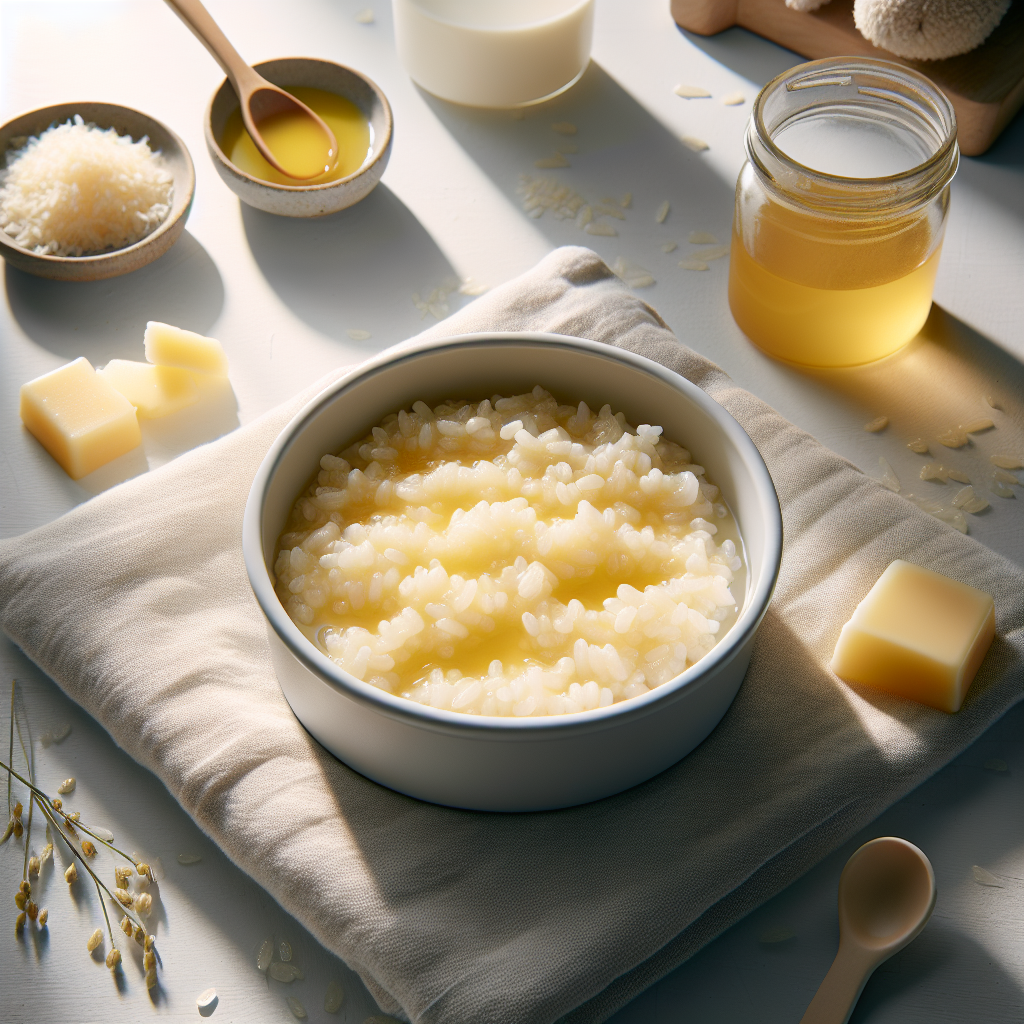
Maple syrup in trace amounts can be introduced from around 12 months of age when used sparingly as a flavouring in recipes or drizzled lightly over foods. Before the first birthday, it's best to avoid adding sweeteners to baby's food, as their palates are developing and early exposure to very sweet tastes can shape preferences. Trace amounts mixed into porridge, pancakes, or yoghurt are generally safe once your baby is over one year old.
Is Maple syrup trace healthy for babies?
Maple syrup contains small amounts of minerals like manganese and zinc, but in trace amounts these contributions are minimal. It is primarily a source of sugar and should be used very sparingly, as excess sugar provides empty calories without the nutrients babies need for growth. Offering foods in their natural, unsweetened state helps develop healthy taste preferences and supports balanced nutrition.
Lower-risk serving reminders
Maple syrup in trace amounts presents a low choking risk because it is a liquid that flows easily and does not form solid pieces that could obstruct the airway. When used sparingly as intended, it simply coats or lightly sweetens foods rather than creating a choking hazard.
Allergen introduction checklist
Maple syrup is not a common allergen and is generally well tolerated by babies and toddlers. Pure maple syrup contains no major food allergens, though it's always sensible to introduce any new food individually and watch for any unexpected reactions.
General feeding checklist
Seat baby upright and stable for all meals.
Model slow chewing and allow baby to control pace.
Stop and reset if baby is upset, tired, or over-stuffed.
Readiness signs to check
Baby can sit upright with minimal support during meals.
Hands and mouth coordinate for bringing food to the mouth.
Tongue-thrust reflex is reduced, so food is not immediately pushed out.
Interest in self-feeding and opening mouth for food cues is visible.
Pause and seek advice if
Coughing is persistent or distress does not settle quickly during meals.
You notice repeated vomiting, rash, swelling, wheeze, or breathing changes after a food.
Baby struggles with swallowing progression over multiple meals despite texture adjustments.
There is a known medical condition affecting feeding, growth, or airway safety.
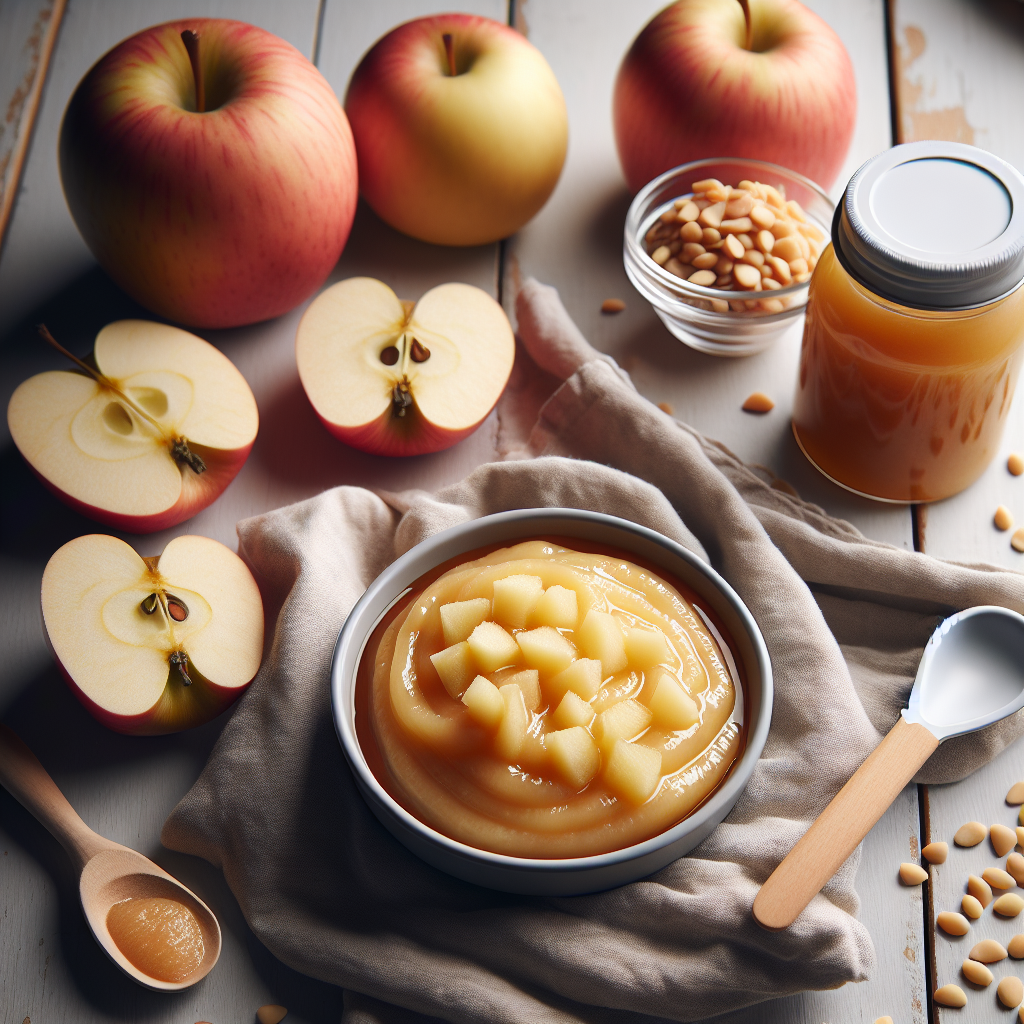
Maple syrup is not recommended for babies aged 6 to 8 months. At this stage, focus on offering naturally flavoured foods without added sweeteners to support developing taste preferences and ensure nutrient-dense meals. If a recipe calls for maple syrup, simply omit it or substitute with mashed banana or unsweetened apple purée for natural sweetness.
9–11 months
Maple syrup is still not recommended for babies aged 9 to 11 months. Continue to offer foods in their unsweetened, natural state to encourage acceptance of diverse flavours and to prioritise nutrient-rich foods over those with added sugars. Save sweeteners like maple syrup for after the first birthday.
12–24 months
From 12 months onwards, maple syrup can be used in trace amounts as a light flavouring—a small drizzle over porridge, a touch mixed into plain yoghurt, or brushed onto homemade pancakes. Keep quantities minimal, as toddlers do not need much sweetness and their diet should remain focused on whole, nutrient-dense foods. Avoid using maple syrup as a primary flavour and instead let it complement rather than dominate the taste of meals.
Common questions about Maple syrup trace
Can I give my baby food with a trace of maple syrup before 12 months?
It's best to wait until after 12 months to introduce maple syrup, even in trace amounts, as babies under one don't need added sugars and early exposure can influence taste preferences.
How much maple syrup is safe for a toddler?
Use maple syrup very sparingly—just enough to lightly flavour foods rather than sweeten them significantly. A small drizzle or a quarter teaspoon mixed into a portion is plenty for a toddler.
Is maple syrup better than other sweeteners for babies?
Whilst maple syrup contains trace minerals, it's still primarily sugar and should be limited just like honey, agave, or table sugar. No sweetener is necessary or particularly beneficial for babies and toddlers.