Lower-risk serving reminders
Kohlrabi has a low choking risk when cooked until very soft and served in age-appropriate sizes. Its firm texture softens considerably when steamed or roasted, making it easy for babies to gum and mash safely.
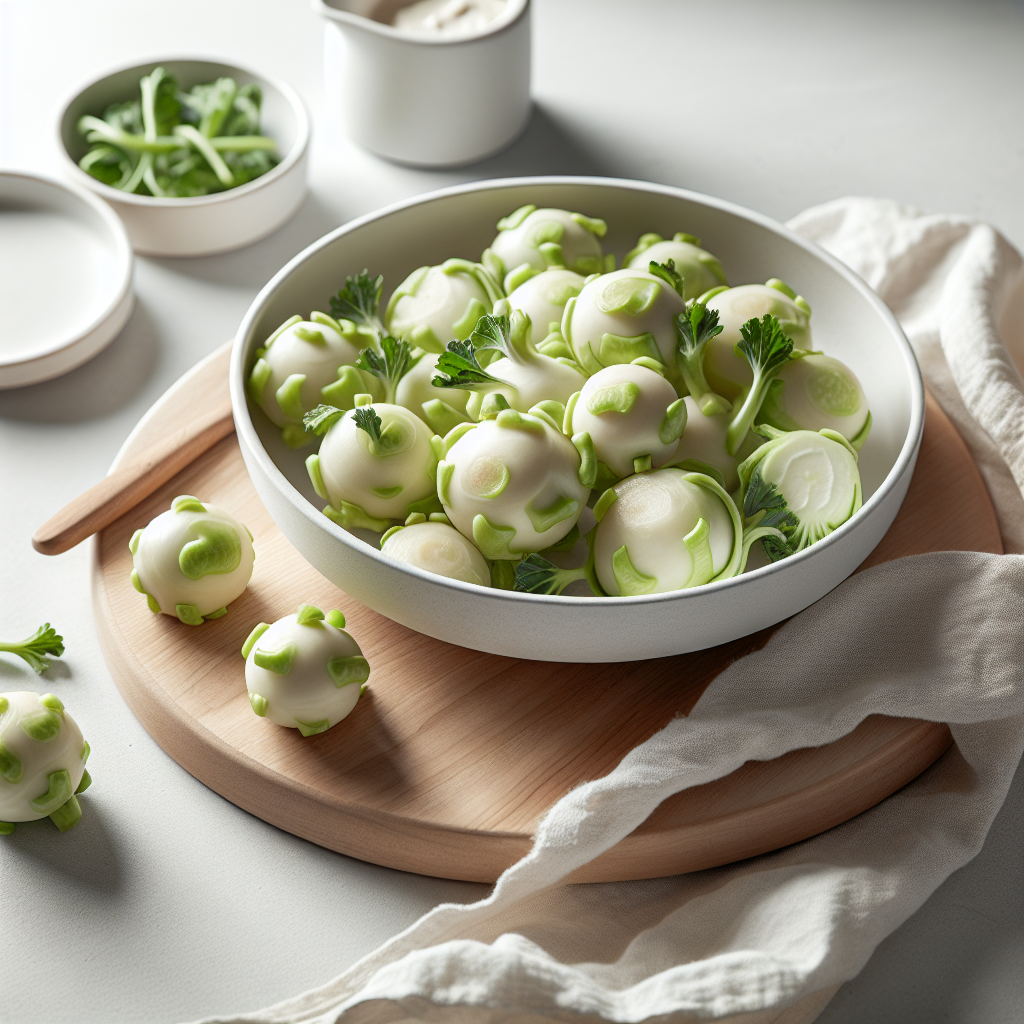
Kohlrabi can be introduced as soon as your baby is ready to start solid foods, which is typically around 6 months of age. When prepared properly by steaming or roasting until very soft, kohlrabi is a safe and nutritious vegetable for baby-led weaning. Always ensure pieces are cooked until they mash easily between your fingers to support safe self-feeding.
Kohlrabi is an excellent source of vitamin C, which supports your baby's immune system and helps with iron absorption from other foods. This mild-flavoured vegetable also provides fibre to support healthy digestion and potassium for proper muscle and nerve function. Kohlrabi contains smaller amounts of B vitamins and calcium, making it a nutritious addition to your baby's varied diet.
Kohlrabi has a low choking risk when cooked until very soft and served in age-appropriate sizes. Its firm texture softens considerably when steamed or roasted, making it easy for babies to gum and mash safely.
Kohlrabi is not a common allergen and is generally well tolerated by babies. As with any new food, introduce kohlrabi on its own and watch for any signs of an adverse reaction, though allergies to this vegetable are rare.
Detailed prep guidance tailored to each stage.
Steam or roast peeled kohlrabi until it is very soft and mashes easily between your fingers. Cut the cooked kohlrabi into finger-length strips about the width of two adult fingers, or offer large wedges that are easy for baby to grasp with a fist and gum. You can also mash or purée kooked kohlrabi and serve it on a preloaded spoon or spread thinly on toast for variety.
Continue to cook kohlrabi until very soft, then cut it into bite-sized pieces such as thick coins or smaller strips that your baby can pick up with their developing pincer grasp. Ensure each piece still mashes easily between your fingers to support safe chewing practice. You can also offer kohlrabi in small soft florets if you've roasted it or as part of mixed vegetable medleys.
Offer kohlrabi cooked until soft in pieces matched to your toddler's chewing ability, which may include smaller cubes, thin rounds, or matchsticks. As their chewing skills improve, you can gradually reduce cooking time so the kohlrabi is still soft but has a bit more texture. Kohlrabi works well in soups, stews, or roasted alongside other vegetables as part of family meals.