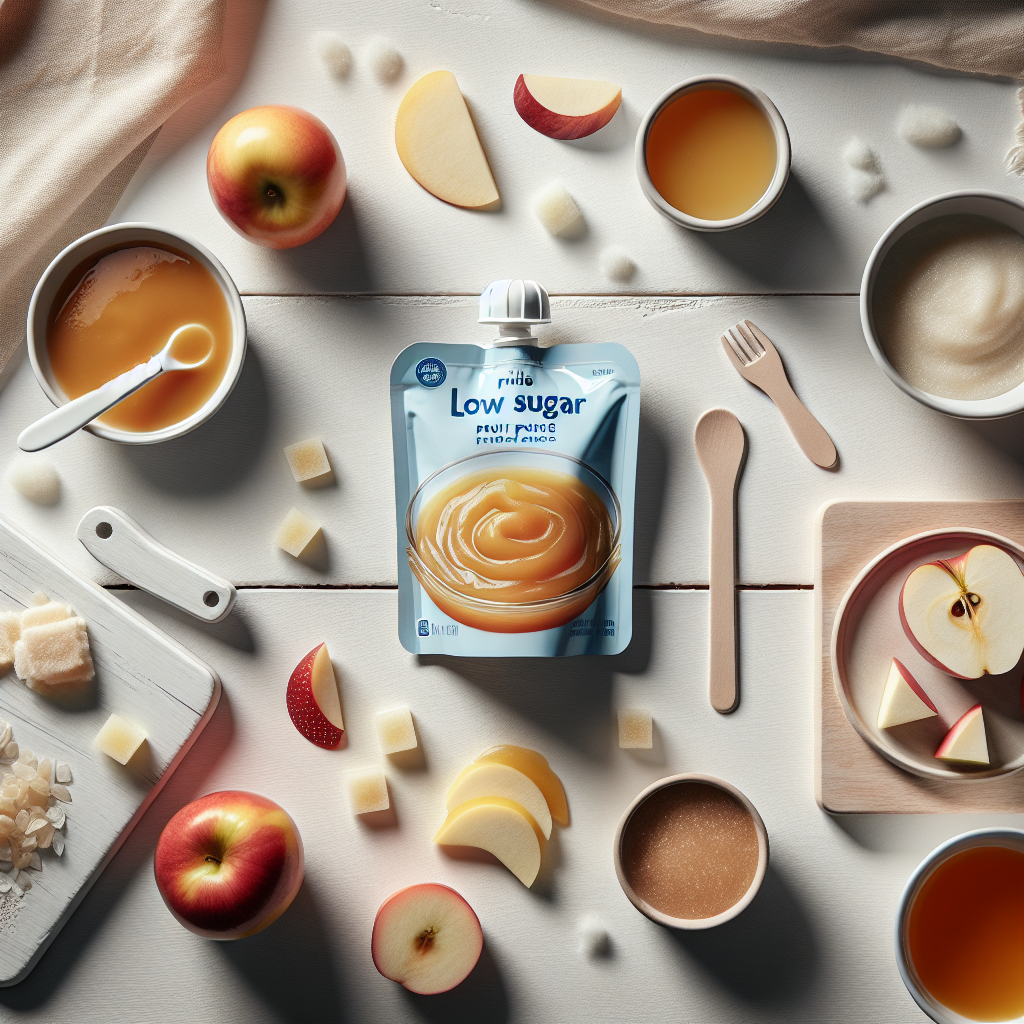
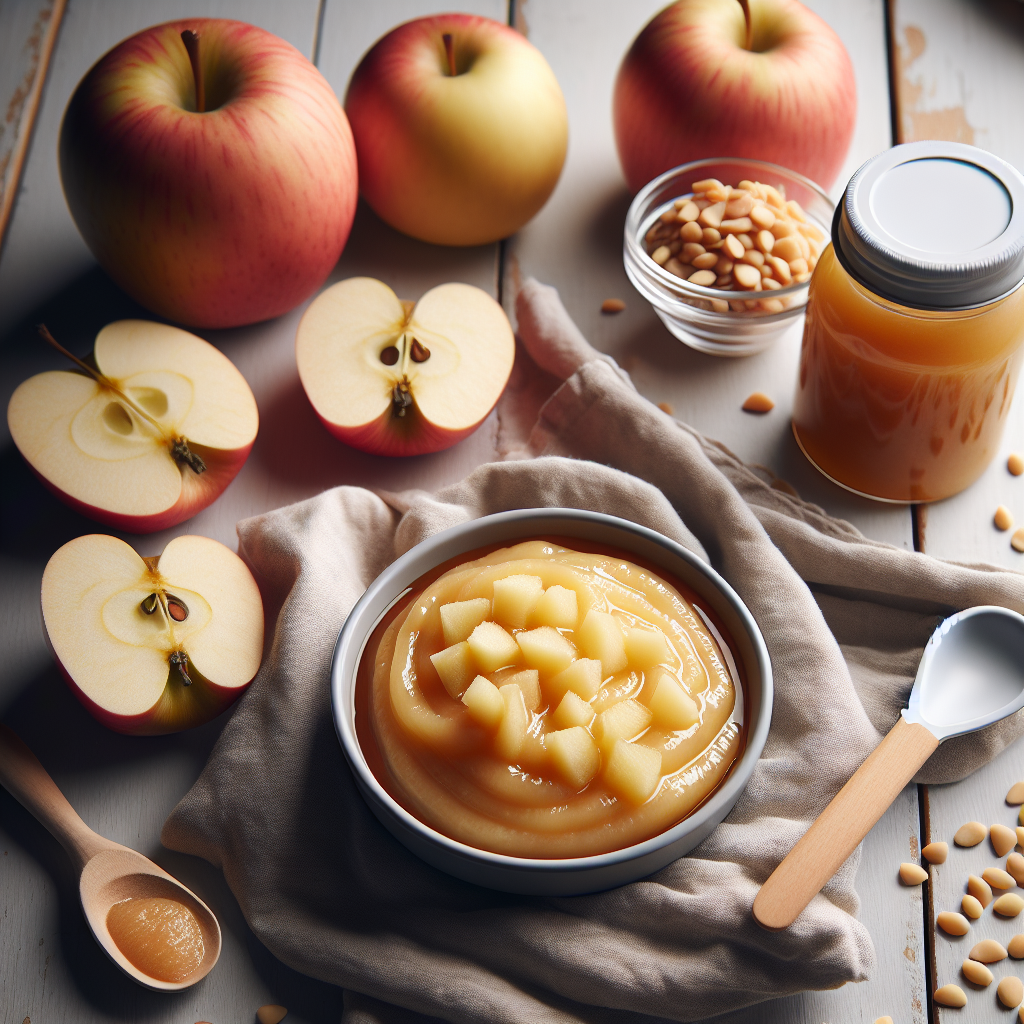
Fruit purée pouches labelled low sugar can be offered from around 6 months of age when your baby is showing signs of readiness for solid foods. Whilst pouches are convenient, they are best used occasionally rather than as a primary food source, as they bypass important oral motor development that comes from self-feeding whole or mashed foods. If using pouches regularly, try to offer them alongside foods with varied textures to support chewing and feeding skills.
Is Fruit puree pouch low sugar healthy for babies?
Fruit purée pouches provide natural sugars, fibre, and some vitamins such as vitamin C, depending on the fruit content. However, pouches labelled low sugar may have less fruit and more water or other fillers, which can dilute the nutritional value compared to whole fruit. Whole or mashed fruit offers the same nutrients with more texture variety, which helps babies develop important eating skills and may encourage better satiety.
Lower-risk serving reminders
Fruit purée pouches have a low choking risk because the purée is smooth and liquid enough to swallow easily without requiring much oral manipulation. The soft, runny texture does not pose the same risk as whole or hard pieces of food that could block the airway.
Allergen introduction checklist
Fruit purée pouches typically do not contain common allergens, though it is important to check the ingredient list for any added ingredients such as dairy, nuts, or seeds. If the pouch contains a fruit your baby has not yet tried, introduce it carefully and watch for any signs of an allergic reaction, though most common fruits are not major allergens.
General feeding checklist
Seat baby upright and stable for all meals.
Model slow chewing and allow baby to control pace.
Stop and reset if baby is upset, tired, or over-stuffed.
Readiness signs to check
Baby can sit upright with minimal support during meals.
Hands and mouth coordinate for bringing food to the mouth.
Tongue-thrust reflex is reduced, so food is not immediately pushed out.
Interest in self-feeding and opening mouth for food cues is visible.
Pause and seek advice if
Coughing is persistent or distress does not settle quickly during meals.
You notice repeated vomiting, rash, swelling, wheeze, or breathing changes after a food.
Baby struggles with swallowing progression over multiple meals despite texture adjustments.
There is a known medical condition affecting feeding, growth, or airway safety.
Squeeze a small amount of fruit purée onto a spoon or directly onto your baby's high chair tray for them to scoop up with their hands or a preloaded spoon. Avoid letting your baby suck directly from the pouch, as this bypasses important oral motor practice and can make it harder to transition to textured foods later. Use pouches sparingly and prioritise whole or mashed foods with varied textures whenever possible.
9–11 months
Continue to squeeze the purée onto a spoon or tray rather than offering the pouch to suck from, which encourages self-feeding and spoon practice. At this age, pouches should be an occasional convenience rather than a staple, as babies benefit greatly from exploring foods with more texture like mashed or soft finger foods. Consider mixing the purée with porridge, yoghurt, or mashed fruit to add variety and texture.
12–24 months
If using pouches at this age, continue to squeeze the contents onto a spoon or into a bowl so your toddler can practise using utensils independently. Pouches should be a rare convenience option, as toddlers need regular exposure to whole foods with varied textures to develop strong chewing skills and healthy eating habits. Prioritise whole fruit, which provides more fibre, better satiety, and valuable sensory experiences.
Common questions about Fruit puree pouch low sugar
Are low sugar fruit pouches better than regular fruit pouches for babies?
Low sugar versions may contain less fruit and more water or fillers, so check the ingredient list to ensure fruit is the main ingredient. Whole or mashed fruit is generally a more nutritious choice than any pouch.
Can I give my baby a fruit pouch every day?
Occasional use is fine, but relying on pouches daily can limit oral motor development and exposure to varied textures. Aim to offer whole or mashed foods most of the time to support chewing and self-feeding skills.
How should I offer a fruit pouch to my baby?
Squeeze the purée onto a spoon or directly onto your baby's high chair tray for them to scoop up, rather than letting them suck from the pouch. This encourages self-feeding and helps develop oral motor skills.