Lower-risk serving reminders
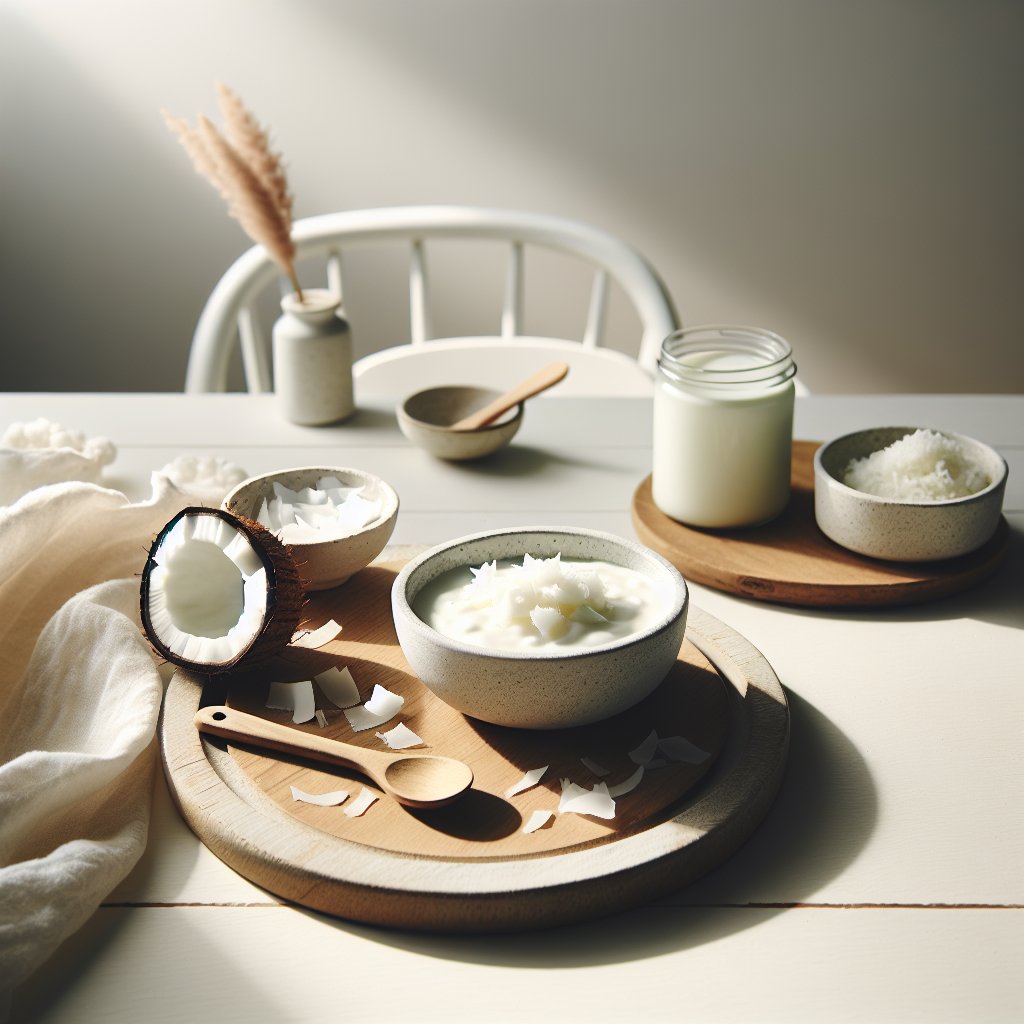
Coconut yogurt has a low choking risk because of its smooth, creamy texture that easily moves through the mouth and throat. As with all yogurts, it can be swallowed safely by babies just starting solids.
Coconut yogurt may be introduced as soon as your baby is ready to start solids, which is generally around 6 months of age. However, because some coconut yogurts are labelled with a dairy allergen warning due to shared processing facilities, it's important to check the label carefully and introduce dairy separately first if there is a family history of allergy. Choose unsweetened varieties with no added sugar, as many coconut yogurts contain high levels of sweeteners unsuitable for babies.
Coconut yogurt provides healthy fats that support brain development and energy for growing babies. However, it is typically lower in protein and calcium compared to dairy yogurt, and many commercial varieties contain added sugars or thickeners. Look for fortified options with added calcium and vitamin D, and choose plain, unsweetened versions to give your baby the most nutritional benefit without unnecessary additives.
Coconut yogurt has a low choking risk because of its smooth, creamy texture that easily moves through the mouth and throat. As with all yogurts, it can be swallowed safely by babies just starting solids.
Coconut yogurt is not a common allergen, though coconut itself is classified as a tree nut by some regulatory bodies and allergic reactions are rare. Some coconut yogurts may carry a milk allergen warning due to shared equipment with dairy products, so always check the label if your baby has a known dairy allergy.
Detailed prep guidance tailored to each stage.
Serve coconut yogurt as it comes from the container, ensuring it is plain and unsweetened. You can offer it on a pre-loaded spoon for your baby to grab and bring to their mouth, or spread a thin layer on a piece of toast or a cracker for them to self-feed. Alternatively, let baby dip their hands directly into a small bowl and explore the creamy texture through hand scooping, which builds early self-feeding skills.
Continue offering coconut yogurt on a pre-loaded spoon or in a small bowl for practising with utensils as your baby develops their pincer grasp. You can also stir it into mashed fruits, porridge, or other soft foods to add creaminess and healthy fats. At this age, many babies enjoy using their fingers or a spoon to scoop yogurt independently.
Serve coconut yogurt in a small bowl with a spoon for self-feeding, or use it as a topping for pancakes, fruit, or oat-based breakfasts. Your toddler can now manage thicker textures and may enjoy coconut yogurt stirred with nut or seed butter for added protein and nutrients. Continue choosing unsweetened varieties and pair with iron-rich foods at meals to support continued growth.