Green bell pepper may be introduced as soon as your baby is ready to start solids, which is generally around 6 months of age. When served cooked until very soft, green pepper can be a nutritious early food that helps babies explore new textures and flavours. Always ensure the pepper is prepared appropriately for your baby's age and eating ability.
Is Bell pepper green healthy for babies?
Green bell peppers are an excellent source of vitamin C, which supports immune function and helps the body absorb iron from other foods served at the same meal. They also provide vitamin A for healthy vision and skin, plus dietary fibre to support digestion. Though less sweet than their red, yellow, or orange counterparts, green peppers offer similar nutritional benefits while introducing babies to more varied flavour profiles.
Lower-risk serving reminders
Green bell pepper carries a low choking risk when cooked until completely soft and served in age-appropriate sizes. The vegetable breaks down easily when steamed or roasted, becoming tender enough for babies to gum and mash safely without teeth.
Allergen introduction checklist
Green bell pepper is not considered a common allergen and allergic reactions are rare. As with any new food, introduce green pepper on its own and watch for signs of a reaction, though this is uncommon with peppers.
General feeding checklist
Seat baby upright and stable for all meals.
Model slow chewing and allow baby to control pace.
Stop and reset if baby is upset, tired, or over-stuffed.
Readiness signs to check
Baby can sit upright with minimal support during meals.
Hands and mouth coordinate for bringing food to the mouth.
Tongue-thrust reflex is reduced, so food is not immediately pushed out.
Interest in self-feeding and opening mouth for food cues is visible.
Pause and seek advice if
Coughing is persistent or distress does not settle quickly during meals.
You notice repeated vomiting, rash, swelling, wheeze, or breathing changes after a food.
Baby struggles with swallowing progression over multiple meals despite texture adjustments.
There is a known medical condition affecting feeding, growth, or airway safety.
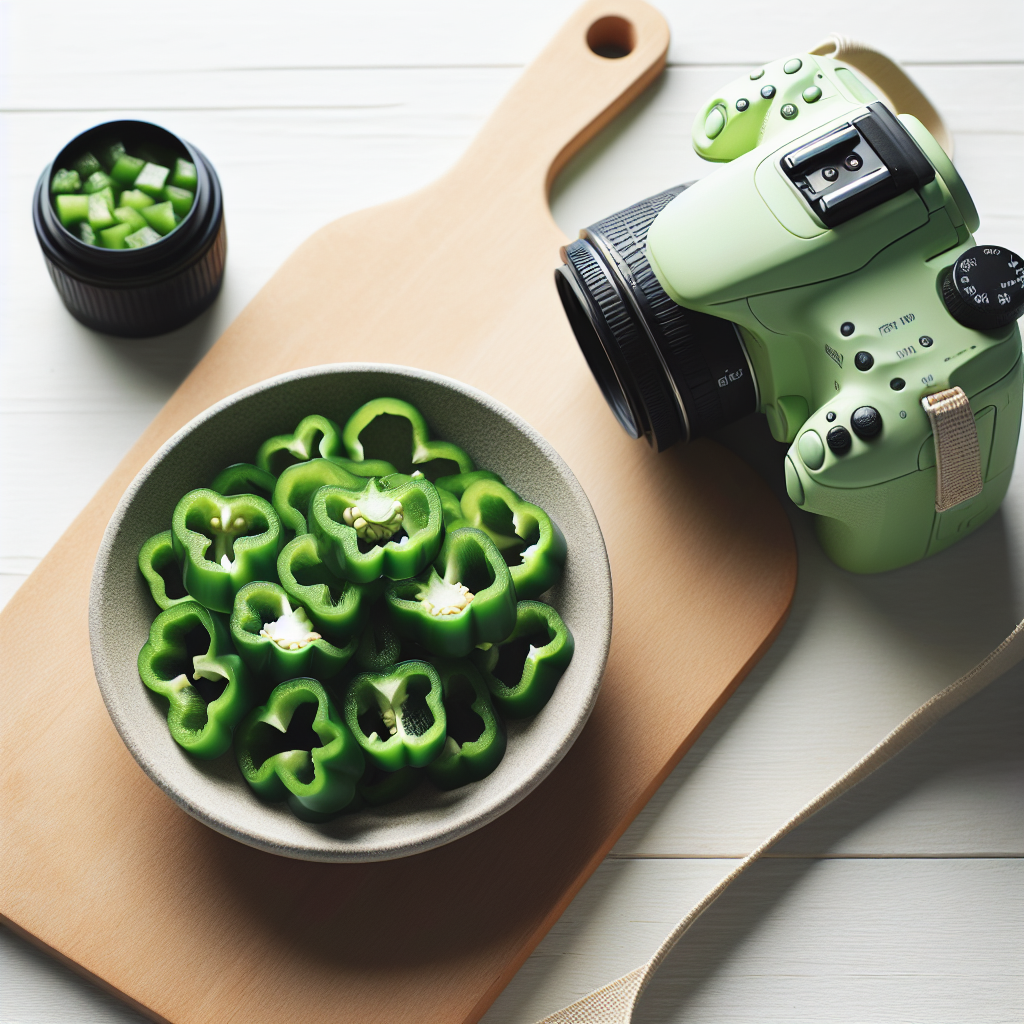
Steam or roast green bell pepper quarters or large wedges until completely soft and the flesh can be easily pierced with a fork. Offer pieces about the size of two adult fingers placed together, with some of the skin left on to help baby grip the slippery vegetable. You can also serve a whole roasted pepper half, which baby can hold and gum from the inside whilst you supervise closely.
9–11 months
Continue to cook green pepper until very soft, but you may now cut it into smaller pieces such as thick strips or bite-sized squares as your baby develops their pincer grasp. Ensure each piece still mashes easily between your thumb and finger. You can also offer soft cooked pepper diced and mixed into grain dishes, scrambled eggs, or pasta to encourage self-feeding with a spoon.
12–24 months
Serve soft cooked green pepper pieces sized appropriately for your toddler's chewing ability, typically bite-sized strips or chunks. As chewing skills mature, you may gradually reduce cooking time so the pepper retains a bit more texture, though it should still be tender. Raw green pepper may be offered to confident chewers closer to age 2, cut into thin matchsticks to reduce risk, though many toddlers prefer the sweeter taste and softer texture of cooked pepper.
Common questions about Bell pepper green
Do I need to remove the skin from green bell pepper for my baby?
There is no need to peel green pepper when it has been cooked until very soft, as the skin becomes tender and easy for babies to manage. If serving raw to older toddlers, you may choose to remove the skin if your child finds it difficult to chew.
Why does green bell pepper taste more bitter than other colours?
Green bell peppers are simply unripe versions of red, yellow, or orange peppers, which is why they taste less sweet and slightly more bitter. This bitterness can actually help broaden your baby's palate and acceptance of different flavours.
Can green bell pepper cause nappy rash or digestive upset?
Green peppers are generally well tolerated, though some babies may experience mild digestive changes or nappy rash when trying any new food. If you notice a reaction, wait a few weeks and try again, as tolerance often improves with time.