Baby-led weaning · age-specific guide
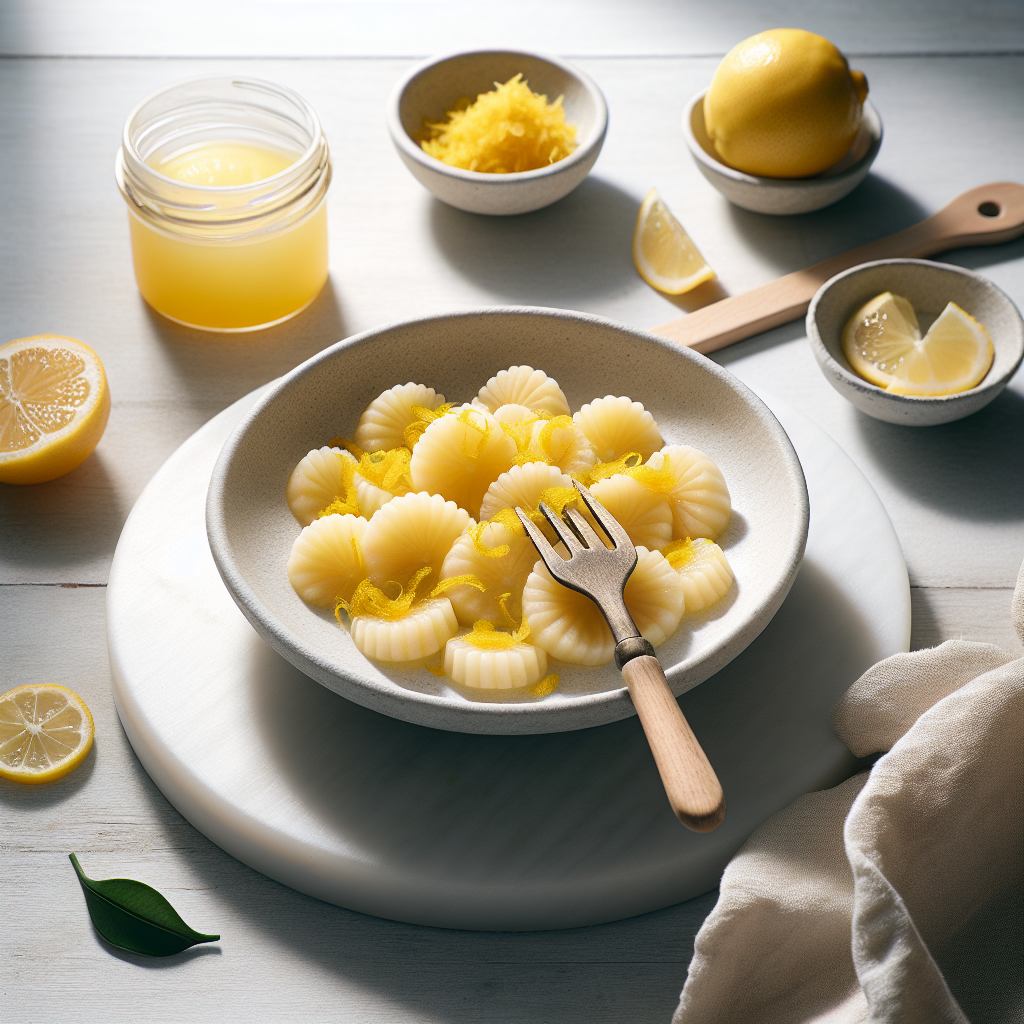
Yuzu zest on food for 9–11 months
Yuzu zest can be introduced to babies from 6 months of age, as soon as they are ready to start solid foods. The zest adds a bright citrus flavour to foods without the acidity of the juice, making it a gentle way to expose your baby to new tastes. Because it is used in very small quantities as a flavouring, yuzu zest poses minimal safety concerns when sprinkled or grated onto appropriate foods.
How to serve at 9–11 months
Continue to finely grate yuzu zest and use it as a flavouring on finger foods and family meals your baby is eating. Sprinkle a small amount over soft cooked vegetables, grains like rice or quinoa, or mild fish to add interest and complexity. You can gradually increase the amount slightly as your baby becomes accustomed to the flavour, though it should still be used sparingly.
Nutrition highlights
Yuzu zest contains small amounts of vitamin C, fibre, and aromatic compounds that may support digestive health. Because zest is used in very small quantities as a flavouring, it contributes minimal nutritional value on its own but can encourage babies to accept varied flavours. The bright, complex taste of yuzu zest helps develop your baby's palate and may increase interest in the foods it seasons.
Lower-risk serving reminders
Yuzu zest has a low choking risk because it is finely grated or minced into tiny pieces that easily mix into other foods. The small particle size means it does not pose a blockage risk and is typically served as a flavouring rather than eaten in large amounts.
Allergen introduction checklist
Yuzu is a citrus fruit and is not considered a common allergen. Allergic reactions to citrus are uncommon, though some babies may develop a temporary rash around the mouth from contact with citrus oils in the zest, which is usually a contact irritation rather than a true allergy.
Common questions
Can babies have yuzu zest if they haven't tried citrus before?
Yes, yuzu zest is a gentle introduction to citrus flavours because it contains less acidity than juice and is used in very small amounts. You may want to start with a tiny pinch and watch for any skin irritation around the mouth.
How much yuzu zest should I give my baby?
Start with just a small pinch (about 1/8 teaspoon or less) grated or sprinkled over food. Yuzu zest is quite aromatic and potent, so a little goes a long way for flavouring baby's meals.
Does yuzu zest cause nappy rash in babies?
Citrus can sometimes cause or worsen nappy rash in some babies due to its acidity. Because yuzu zest is used in such small amounts, this is uncommon, but watch for any changes and reduce the amount if needed.
General feeding checklist
- Seat baby upright and stable for all meals.
- Model slow chewing and allow baby to control pace.
- Stop and reset if baby is upset, tired, or over-stuffed.
Readiness signs to check
- Baby can sit upright with minimal support during meals.
- Hands and mouth coordinate for bringing food to the mouth.
- Tongue-thrust reflex is reduced, so food is not immediately pushed out.
- Interest in self-feeding and opening mouth for food cues is visible.
Pause and seek advice if
- Coughing is persistent or distress does not settle quickly during meals.
- You notice repeated vomiting, rash, swelling, wheeze, or breathing changes after a food.
- Baby struggles with swallowing progression over multiple meals despite texture adjustments.
- There is a known medical condition affecting feeding, growth, or airway safety.
Other ages: 6–8 months · 12–24 months