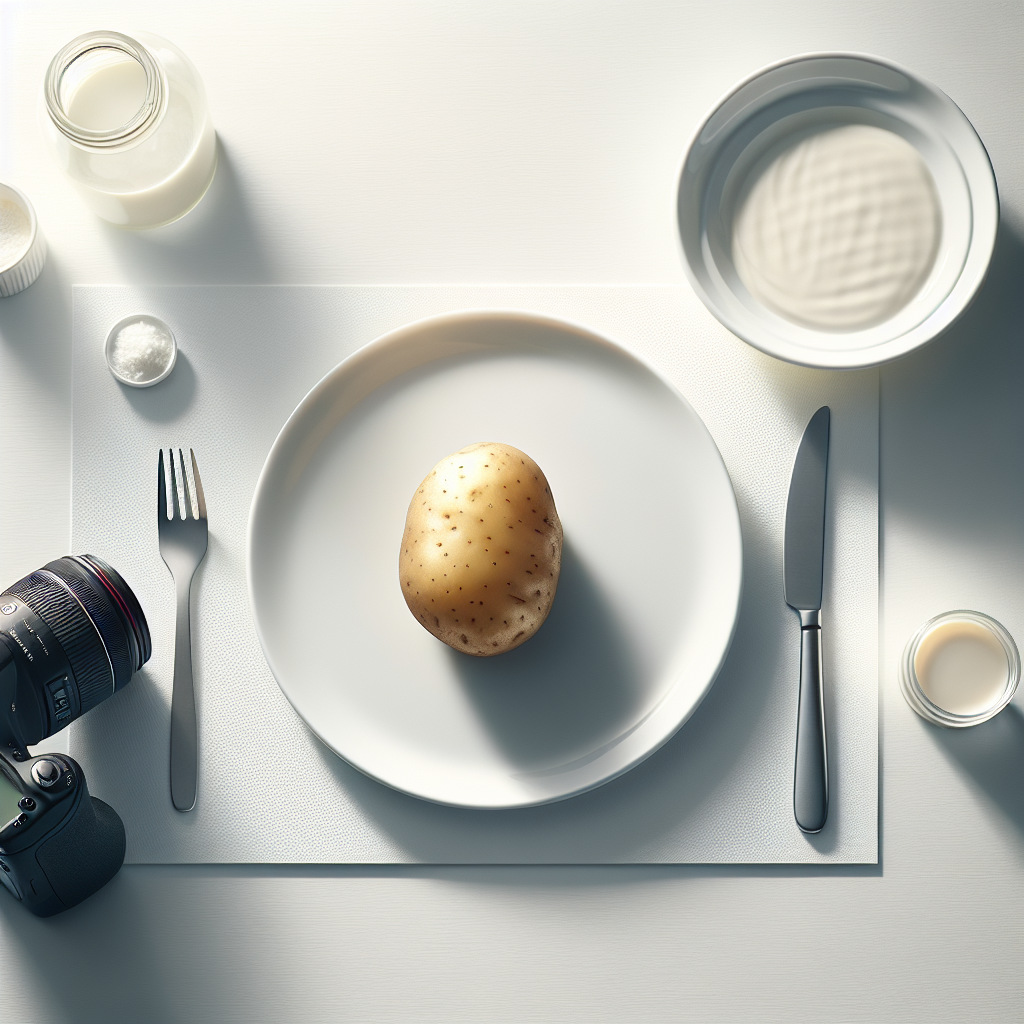
Baby-led weaning · age-specific guide
White potato for 6–8 months
White potato can be introduced as soon as your baby is ready to start solid foods, which is typically around 6 months of age. It must be cooked until very soft to make it safe and easy for babies to gum and swallow. White potato is a versatile first food that can be prepared in many ways to suit your baby's developing eating skills.
How to serve at 6–8 months
Steam or roast white potato until it is very soft and easily pierced with a fork. Cut into thick finger-length strips or large wedges about the size of two adult fingers so your baby can hold them in their fist with some sticking out to gum. You can leave the skin on if cooked until very soft, or peel it off if you prefer a smoother texture for early eaters.
Nutrition highlights
White potato provides carbohydrates for energy, which supports your baby's rapid growth and development. It also contains vitamin C, which helps with iron absorption and supports immune function, as well as potassium for healthy heart and muscle function. Cooking potato with the skin on boosts fibre content, though you may wish to remove the skin for younger babies who are still learning to manage textures.
Lower-risk serving reminders
When cooked until soft, white potato has a low choking risk because it breaks down easily in the mouth and can be mashed with the gums. Raw or undercooked potato is firm and poses a higher risk, so always ensure it is fully cooked through.
Allergen introduction checklist
White potato is not a common allergen and is generally considered safe for most babies. Allergic reactions to potato are rare, though they can occur in some individuals.
Common questions
Can babies have mashed potato?
Yes, babies can have mashed potato, though for baby-led weaning it's helpful to serve it in a way they can self-feed, such as formed into patties or spread thickly on toast. Very smooth mash can be difficult for babies to pick up independently.
Do I need to remove the skin from white potato for my baby?
The skin is edible and adds fibre, but it can be chewy for younger babies. You may wish to remove it for babies under 9 months or leave it on if cooked until very soft and your baby is managing mixed textures well.
Is white potato healthier than sweet potato for babies?
Both white and sweet potato are nutritious choices for babies. Sweet potato contains more beta-carotene, whilst white potato offers slightly more potassium and vitamin C, so offering both provides variety.
General feeding checklist
- Seat baby upright and stable for all meals.
- Model slow chewing and allow baby to control pace.
- Stop and reset if baby is upset, tired, or over-stuffed.
Readiness signs to check
- Baby can sit upright with minimal support during meals.
- Hands and mouth coordinate for bringing food to the mouth.
- Tongue-thrust reflex is reduced, so food is not immediately pushed out.
- Interest in self-feeding and opening mouth for food cues is visible.
Pause and seek advice if
- Coughing is persistent or distress does not settle quickly during meals.
- You notice repeated vomiting, rash, swelling, wheeze, or breathing changes after a food.
- Baby struggles with swallowing progression over multiple meals despite texture adjustments.
- There is a known medical condition affecting feeding, growth, or airway safety.
Other ages: 9–11 months · 12–24 months