Baby-led weaning · age-specific guide
Veal mince for 12–24 months
Veal mince can be introduced as soon as your baby is ready to start solid foods, which is typically around 6 months of age. As with all meat, ensure veal mince is cooked thoroughly to an internal temperature of at least 63°C to reduce the risk of foodborne illness. Veal is a tender meat that becomes soft and easy to manage when properly cooked, making it suitable for babies learning to eat.
How to serve at 12–24 months
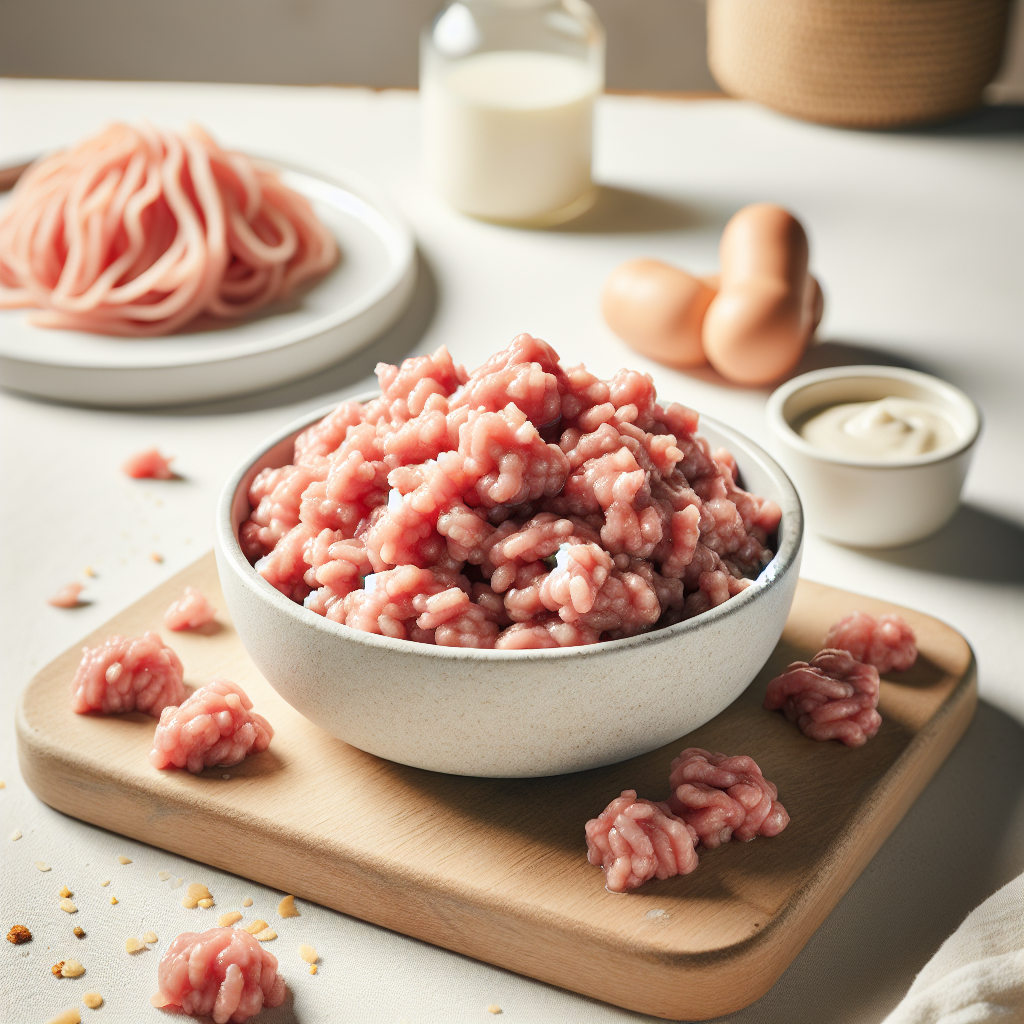
Serve veal mince in small, bite-sized pieces as part of family meals such as bolognese, shepherd's pie, or meatballs. Continue to ensure the mince is cooked in sauce or with vegetables to maintain moisture, as dry mince can be difficult to chew and swallow. At this age, toddlers can manage veal mince prepared similarly to how the rest of the family eats it, though portions should remain appropriately sized and moist.
Nutrition highlights
Veal mince is an excellent source of high-quality protein, which supports growth and development in babies. It provides important B vitamins, particularly B12, which is essential for brain development and red blood cell formation. Veal also contains zinc, which supports immune function, and selenium, an antioxidant that helps protect developing cells.
Lower-risk serving reminders
Veal mince has a low choking risk because the small pieces become soft and easy to break down when fully cooked, especially when moisture is added through sauces or cooking liquids. The tender texture of veal makes it easier for babies to mash between their gums compared to tougher cuts of meat.
Allergen introduction checklist
Veal is not a common allergen and is generally well tolerated by most babies. While red meat allergies are rare, they can occur, so watch for signs of an allergic reaction when introducing veal for the first time.
Common questions
Is veal healthier than beef for babies?
Veal and beef offer similar nutritional profiles, both providing high-quality protein and B vitamins. Veal is naturally more tender due to the age of the animal, which can make it easier for babies to manage, though both are suitable choices.
How do I keep veal mince moist for my baby?
Cook veal mince with sufficient liquid such as stock, tomato sauce, or vegetable purée, and avoid overcooking. Serving it in sauces or mixed with soft foods like mashed vegetables or grains helps maintain moisture and makes it easier to swallow.
Can I use veal mince instead of beef mince in recipes for my baby?
Yes, veal mince can be used interchangeably with beef mince in most baby-friendly recipes. The milder flavour and tender texture of veal may actually be preferable for some babies who are new to meat.
General feeding checklist
- Seat baby upright and stable for all meals.
- Model slow chewing and allow baby to control pace.
- Stop and reset if baby is upset, tired, or over-stuffed.
Readiness signs to check
- Baby can sit upright with minimal support during meals.
- Hands and mouth coordinate for bringing food to the mouth.
- Tongue-thrust reflex is reduced, so food is not immediately pushed out.
- Interest in self-feeding and opening mouth for food cues is visible.
Pause and seek advice if
- Coughing is persistent or distress does not settle quickly during meals.
- You notice repeated vomiting, rash, swelling, wheeze, or breathing changes after a food.
- Baby struggles with swallowing progression over multiple meals despite texture adjustments.
- There is a known medical condition affecting feeding, growth, or airway safety.
Other ages: 6–8 months · 9–11 months