Baby-led weaning · age-specific guide
Turkey breast for 12–24 months
Turkey breast can be introduced as soon as your baby is ready to start solid foods, which is typically around 6 months of age. As with all poultry, turkey breast must be cooked thoroughly to an internal temperature of at least 75°C to ensure it is safe for your baby to eat. When prepared properly—cooked until tender and served in an age-appropriate size and texture—turkey breast is a nutritious protein option for your little one.
How to serve at 12–24 months
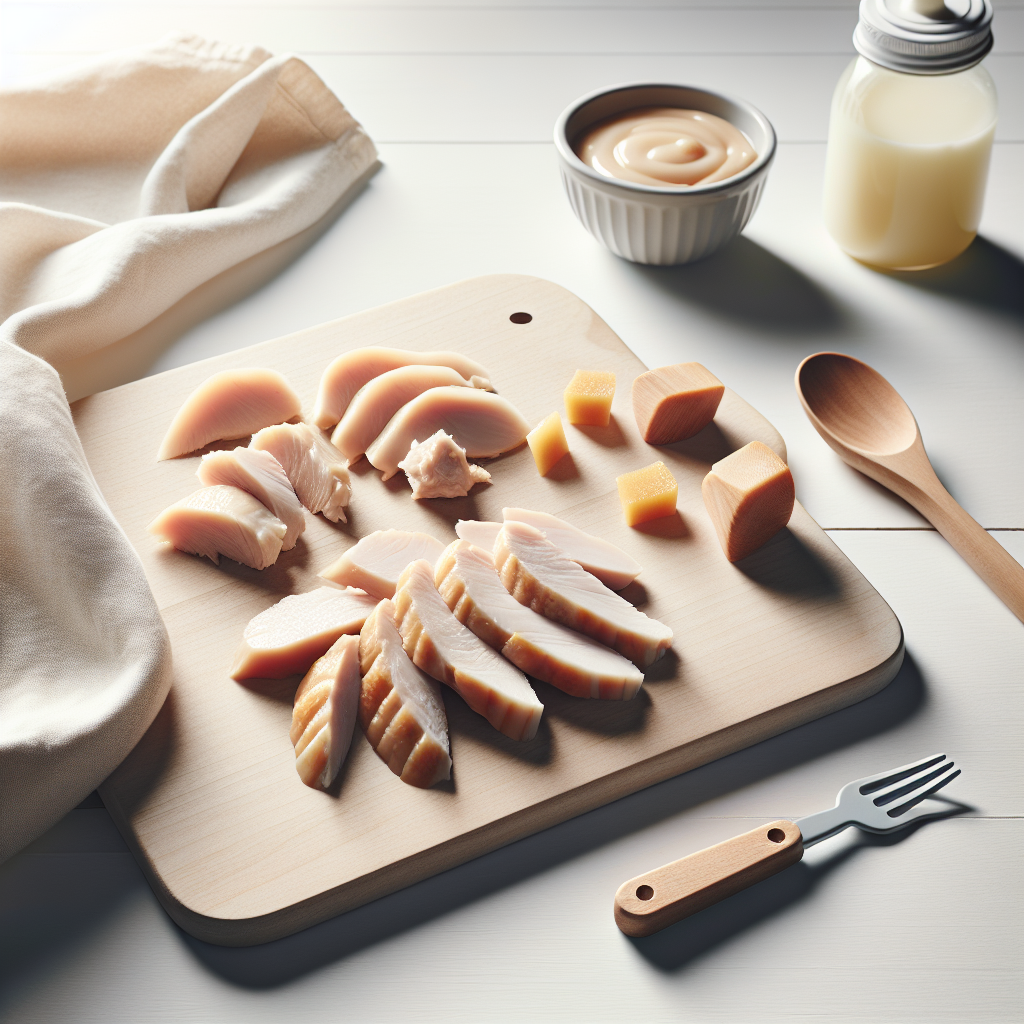
Serve turkey breast in small, tender bites or strips that are easy for your toddler to chew and swallow. Keep the meat moist by serving it with a sauce, in a stew, or alongside other soft foods, and trim away any dry or overcooked edges. As your toddler's chewing skills improve, you can gradually offer slightly larger pieces, but always supervise mealtimes and ensure the turkey is well-cooked and easy to manage.
Nutrition highlights
Turkey breast is an excellent source of high-quality protein, which supports your baby's growth, muscle development, and immune function. It also provides essential B vitamins, particularly niacin and B6, which help with energy metabolism and brain development. Additionally, turkey contains selenium and zinc, minerals that support immune health and overall development.
Lower-risk serving reminders
Turkey breast carries a low choking risk when prepared correctly, as it can be shredded, flaked, or cut into soft, moist pieces that are easy for babies to manage. The key is to avoid serving dry, overcooked, or large chunks of meat, and to ensure the turkey remains tender and moist throughout the meal.
Allergen introduction checklist
Turkey breast is not a common allergen and is generally well tolerated by babies. Poultry allergy is rare, though any new food should be introduced one at a time and watched for signs of an allergic reaction such as hives, rash, or digestive upset.
Common questions
Does turkey breast need to be organic for baby-led weaning?
Organic turkey is not necessary, though some families prefer it to reduce pesticide exposure. The most important factor is that the turkey is thoroughly cooked and prepared in an age-appropriate way.
Can I serve leftover roast turkey breast to my baby?
Yes, leftover roast turkey can be served to your baby as long as it has been stored safely in the fridge and reheated thoroughly. Make sure to remove any dry edges and keep the meat moist and tender.
How do I keep turkey breast moist for my baby?
Cook turkey breast gently using methods like poaching, slow cooking, or roasting with liquid, and avoid overcooking. You can also mix shredded turkey with a small amount of breast milk, formula, or a smooth sauce to add moisture.
General feeding checklist
- Seat baby upright and stable for all meals.
- Model slow chewing and allow baby to control pace.
- Stop and reset if baby is upset, tired, or over-stuffed.
Readiness signs to check
- Baby can sit upright with minimal support during meals.
- Hands and mouth coordinate for bringing food to the mouth.
- Tongue-thrust reflex is reduced, so food is not immediately pushed out.
- Interest in self-feeding and opening mouth for food cues is visible.
Pause and seek advice if
- Coughing is persistent or distress does not settle quickly during meals.
- You notice repeated vomiting, rash, swelling, wheeze, or breathing changes after a food.
- Baby struggles with swallowing progression over multiple meals despite texture adjustments.
- There is a known medical condition affecting feeding, growth, or airway safety.
Other ages: 6–8 months · 9–11 months