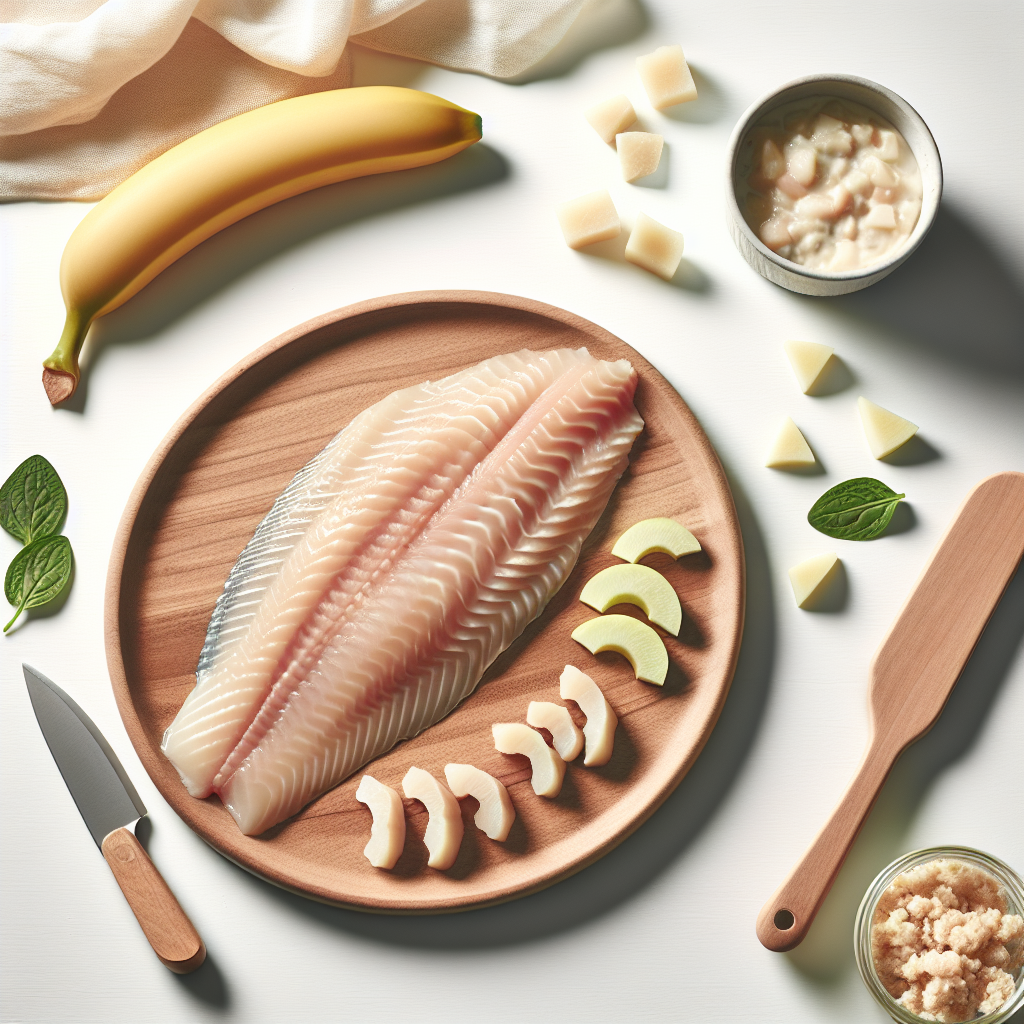
Baby-led weaning · age-specific guide
Tilapia fillet for 12–24 months
Tilapia fillet may be introduced as soon as your baby is ready to start solid foods, which is generally around 6 months of age. This mild white fish is naturally soft and flaky when cooked, making it well suited to early eaters. Always ensure the fillet is fully cooked through, completely deboned, and served without any skin or crispy edges that could pose a risk.
How to serve at 12–24 months
Prepare tilapia as you would for the rest of the family, ensuring it is fully cooked, deboned, and skinless. Serve it in small bites or strips, keeping portions moist by cooking gently and avoiding overcooking, which can make the fish dry and harder to swallow. At this age, toddlers can enjoy tilapia in a variety of dishes, from fish tacos to stir-fries, as long as the texture remains soft and manageable.
Nutrition highlights
Tilapia is an excellent source of high-quality protein, which supports your baby's growth, muscle development, and immune function. It provides selenium, an important mineral that supports thyroid health and antioxidant defences, as well as B vitamins including B12, which are essential for energy metabolism and brain development. Tilapia is a lean fish with a mild flavour, making it an accessible option for babies who are new to fish.
Lower-risk serving reminders
Tilapia has a low choking risk because it cooks to a soft, tender texture that breaks apart easily into flakes when handled by babies. The naturally delicate structure of cooked tilapia allows it to dissolve in the mouth with minimal chewing, making it safer for young eaters when prepared correctly.
Allergen introduction checklist
Tilapia is not a common food allergen and does not belong to any of the top allergen categories. Whilst finned fish allergies are less common than shellfish allergies, they can still occur, so watch for signs of a reaction when introducing tilapia for the first time.
Common questions
Does tilapia need to be skinless for babies?
Yes, remove the skin before serving tilapia to babies, as it can become tough or crispy when cooked and may be difficult for young eaters to manage safely.
How do I make sure tilapia is safe from bones?
Always check carefully for pin bones by running your fingers along the fillet before and after cooking, and remove any you find with clean tweezers or your fingers.
Can I serve frozen tilapia to my baby?
Yes, frozen tilapia is fine to use. Thaw it thoroughly in the fridge, cook it until fully opaque and flaky, and serve as you would fresh tilapia.
General feeding checklist
- Seat baby upright and stable for all meals.
- Model slow chewing and allow baby to control pace.
- Stop and reset if baby is upset, tired, or over-stuffed.
Readiness signs to check
- Baby can sit upright with minimal support during meals.
- Hands and mouth coordinate for bringing food to the mouth.
- Tongue-thrust reflex is reduced, so food is not immediately pushed out.
- Interest in self-feeding and opening mouth for food cues is visible.
Pause and seek advice if
- Coughing is persistent or distress does not settle quickly during meals.
- You notice repeated vomiting, rash, swelling, wheeze, or breathing changes after a food.
- Baby struggles with swallowing progression over multiple meals despite texture adjustments.
- There is a known medical condition affecting feeding, growth, or airway safety.
Other ages: 6–8 months · 9–11 months