Baby-led weaning · age-specific guide
Stracciatella spoon for 12–24 months
Stracciatella spoon can be introduced from 6 months of age, as soon as your baby is ready to start solid foods. This soft, creamy fresh cheese is gentle on developing gums and easy to swallow, making it a lovely early food for baby-led weaning. As stracciatella contains cow's milk, introduce it carefully and watch for signs of cow's milk protein allergy if your baby has not yet had dairy.
How to serve at 12–24 months
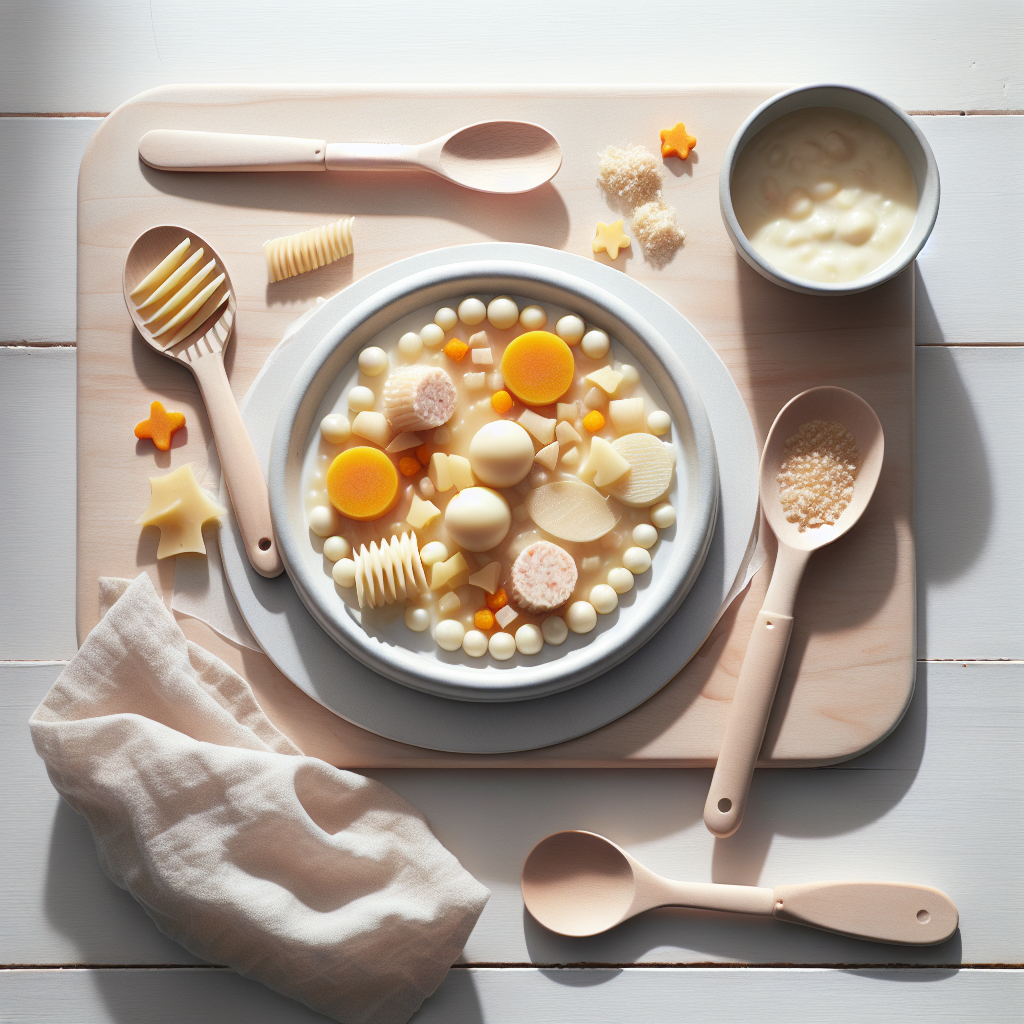
Offer stracciatella in a small bowl with a spoon for independent eating, or continue spreading it on toast, crackers, or soft breadsticks. You can mix stracciatella with chopped soft fruits like ripe pear or berries, or stir it through warm pasta for a simple creamy sauce. At this age, toddlers can manage the soft texture with ease and may enjoy using stracciatella as a dip for vegetable sticks or cooked pasta shapes.
Nutrition highlights
Stracciatella provides high-quality protein to support your baby's growth and development, along with calcium for building strong bones and teeth. It also contains fat-soluble vitamins including vitamin A for vision and immune function, and B vitamins for energy metabolism. The full-fat nature of stracciatella supports brain development and helps babies absorb these important nutrients.
Lower-risk serving reminders
Stracciatella has a low choking risk due to its soft, creamy texture that breaks down easily in the mouth and mixes with saliva. The small shreds of mozzarella within the cream are tender and pliable, posing minimal risk to babies learning to eat.
Allergen information
Stracciatella is a common allergen as it contains cow's milk (dairy), one of the top allergens for babies. When introducing dairy for the first time, offer a small amount and watch for signs of an allergic reaction, such as hives, vomiting, diarrhoea, or symptoms of cow's milk protein allergy including blood in stools or persistent eczema.
Milk (dairy)
Common questions
Is stracciatella safe for babies under 12 months?
Yes, stracciatella is safe for babies from 6 months as its soft, creamy texture poses a low choking risk. Just ensure dairy has been successfully introduced and watch for any signs of cow's milk protein allergy.
How is stracciatella different from burrata or mozzarella for baby-led weaning?
Stracciatella is the creamy interior of burrata—shredded mozzarella mixed with cream—making it softer and easier to manage than whole pieces of fresh mozzarella. Its spoonable texture is ideal for younger babies still developing their pincer grasp.
Can I serve stracciatella on its own or does it need to be mixed with other foods?
You can serve stracciatella on its own pre-loaded on a spoon, though it also works beautifully spread on strips of toast or mixed with soft cooked vegetables to help your baby scoop it up more easily.
General feeding checklist
- Seat baby upright and stable for all meals.
- Model slow chewing and allow baby to control pace.
- Stop and reset if baby is upset, tired, or over-stuffed.
Readiness signs to check
- Baby can sit upright with minimal support during meals.
- Hands and mouth coordinate for bringing food to the mouth.
- Tongue-thrust reflex is reduced, so food is not immediately pushed out.
- Interest in self-feeding and opening mouth for food cues is visible.
Pause and seek advice if
- Coughing is persistent or distress does not settle quickly during meals.
- You notice repeated vomiting, rash, swelling, wheeze, or breathing changes after a food.
- Baby struggles with swallowing progression over multiple meals despite texture adjustments.
- There is a known medical condition affecting feeding, growth, or airway safety.
Other ages: 6–8 months · 9–11 months