Baby-led weaning · age-specific guide
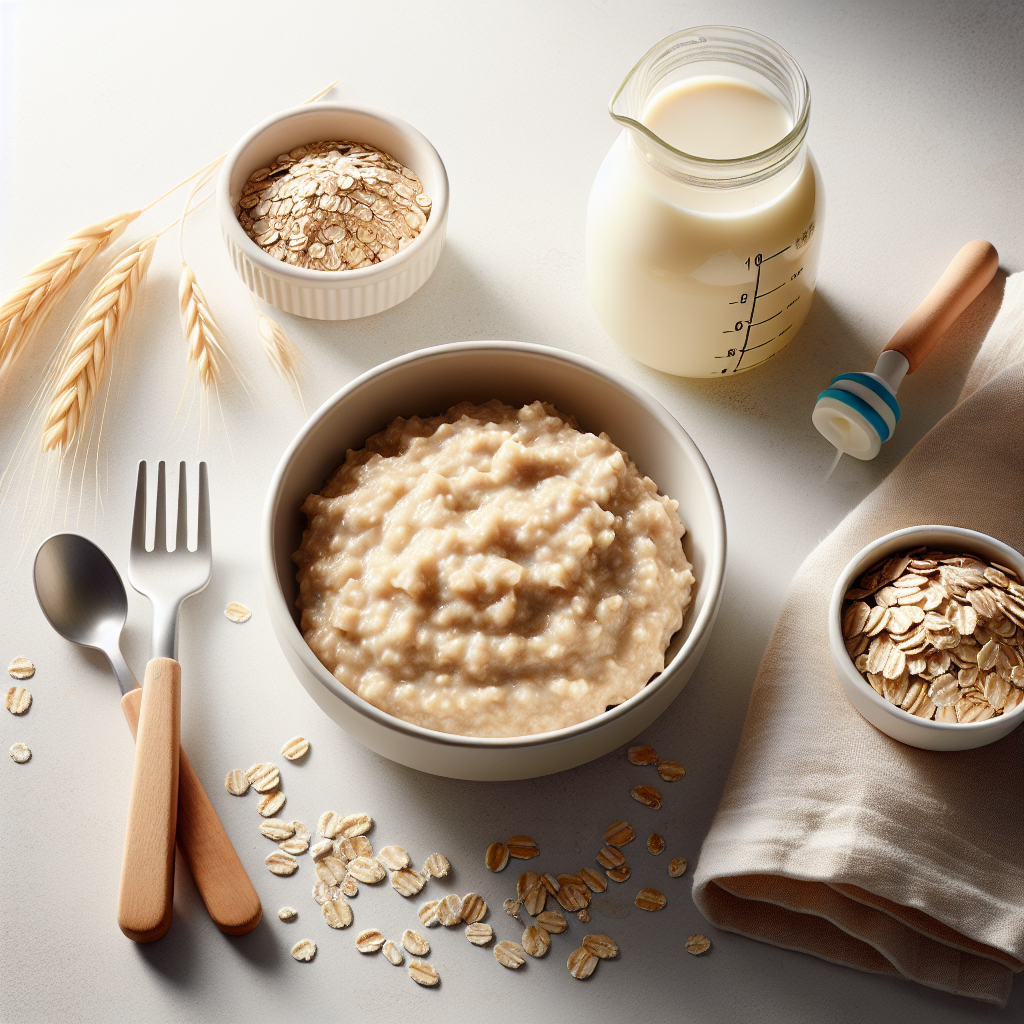
Steel cut oat mash for 6–8 months
Steel cut oat mash can be introduced as soon as your baby is ready to start solid foods, which is typically around 6 months of age. Ensure the oats are cooked until very soft and tender, as undercooked oats can be difficult for babies to manage. This wholesome grain makes a nourishing first food when prepared with an appropriate consistency for your baby's developmental stage.
How to serve at 6–8 months
Cook steel cut oats with plenty of liquid (water, breast milk, or formula) until they are very soft and can be easily mashed between your fingers. The consistency should be thick and slightly sticky rather than loose or runny—mix in extra breast milk, formula, or full-fat yoghurt to bind the grains if needed. Serve the mash in a bowl for self-feeding by allowing your baby to scoop with their hands, or offer it on a pre-loaded spoon that they can bring to their mouth.
Nutrition highlights
Steel cut oats are a wonderful source of plant-based iron and protein, both of which support your baby's growth and development during the critical first year. They also provide B vitamins, zinc, and magnesium, along with soluble fibre that supports healthy digestion. The iron in oats is better absorbed when paired with vitamin C-rich foods like berries or tomatoes.
Lower-risk serving reminders
Steel cut oat mash has a low choking risk when properly cooked to a soft, mashable texture. The individual grains break down easily in the mouth and can be mixed with liquid to create a smoother consistency that is safe for babies who are just beginning to explore solid foods.
Allergen introduction checklist
Oats are not a common allergen and do not contain gluten naturally, though they may be processed in facilities that handle wheat. While true oat allergies are rare, it's always wise to introduce any new food on its own and watch for signs of a reaction, such as hives, vomiting, or unusual fussiness.
Common questions
Do I need to soak steel cut oats before cooking them for my baby?
Soaking is not required, but it can reduce cooking time and make the oats easier to digest. If you choose to soak, cover the oats with water and leave overnight, then cook as usual until very soft.
Can I make steel cut oat mash in advance?
Yes, cooked steel cut oats store well in the fridge for up to 5 days and can be frozen in portions for up to 3 months. Reheat thoroughly and add a splash of liquid if needed to restore the desired consistency.
What's the difference between steel cut oats and rolled oats for babies?
Steel cut oats are whole oat groats that have been chopped, giving them a chewier texture even when cooked, while rolled oats are steamed and flattened so they cook faster and smoother. Both are nutritious, but steel cut oats retain slightly more fibre and take longer to cook until soft enough for babies.
General feeding checklist
- Seat baby upright and stable for all meals.
- Model slow chewing and allow baby to control pace.
- Stop and reset if baby is upset, tired, or over-stuffed.
Readiness signs to check
- Baby can sit upright with minimal support during meals.
- Hands and mouth coordinate for bringing food to the mouth.
- Tongue-thrust reflex is reduced, so food is not immediately pushed out.
- Interest in self-feeding and opening mouth for food cues is visible.
Pause and seek advice if
- Coughing is persistent or distress does not settle quickly during meals.
- You notice repeated vomiting, rash, swelling, wheeze, or breathing changes after a food.
- Baby struggles with swallowing progression over multiple meals despite texture adjustments.
- There is a known medical condition affecting feeding, growth, or airway safety.
Other ages: 9–11 months · 12–24 months