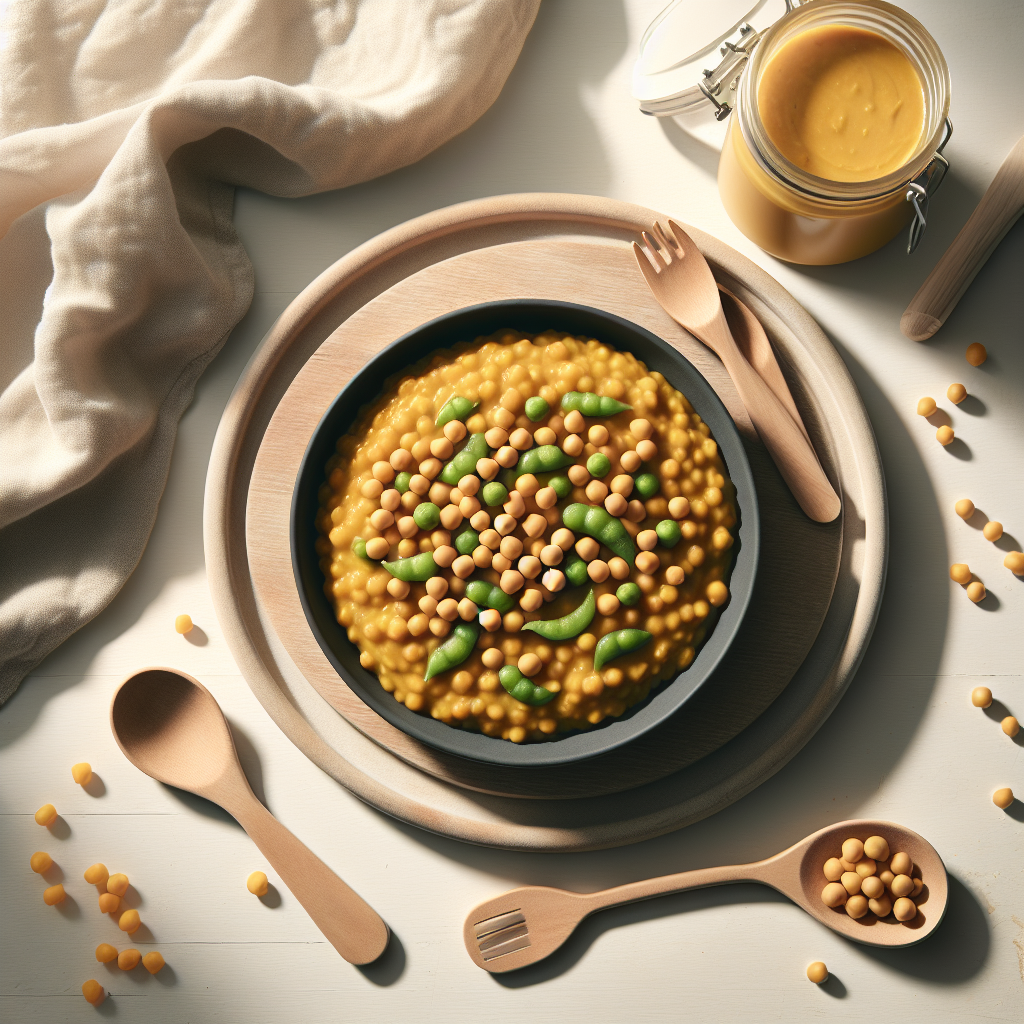
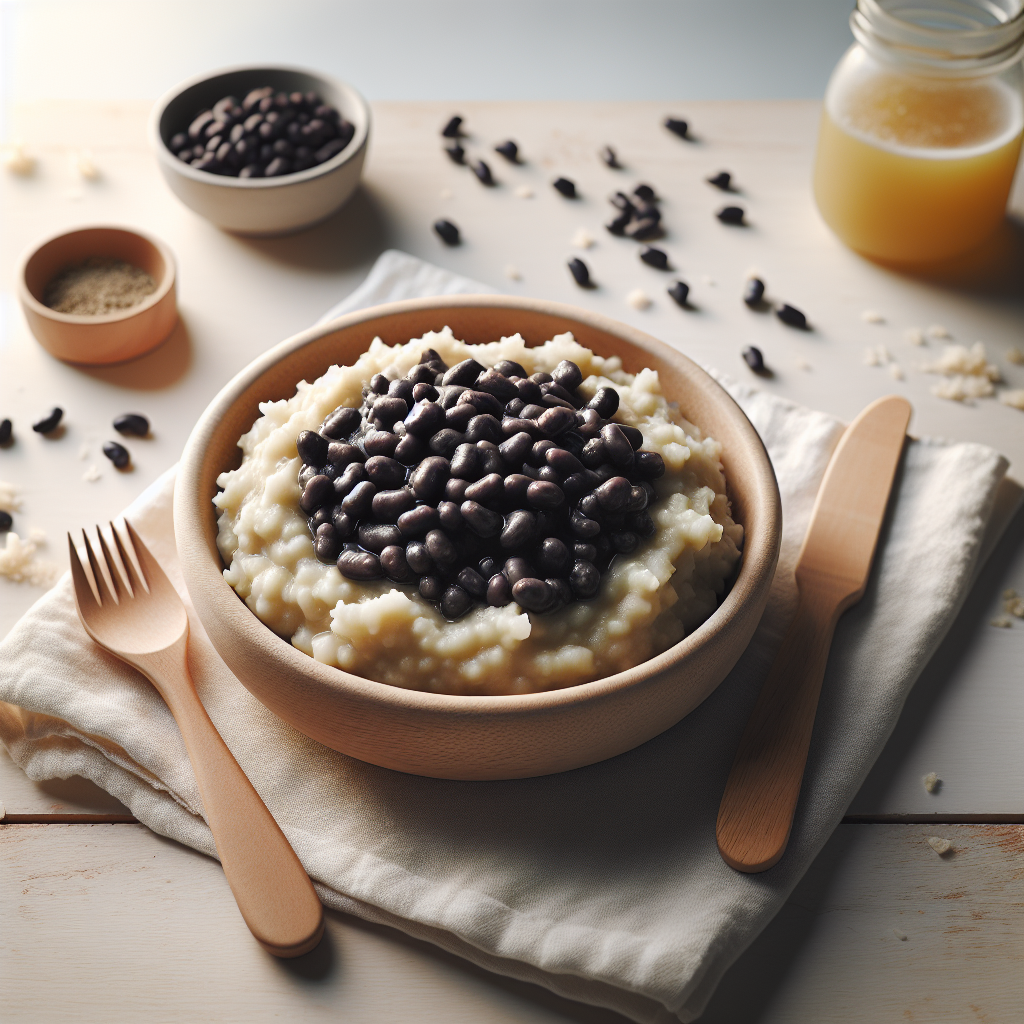
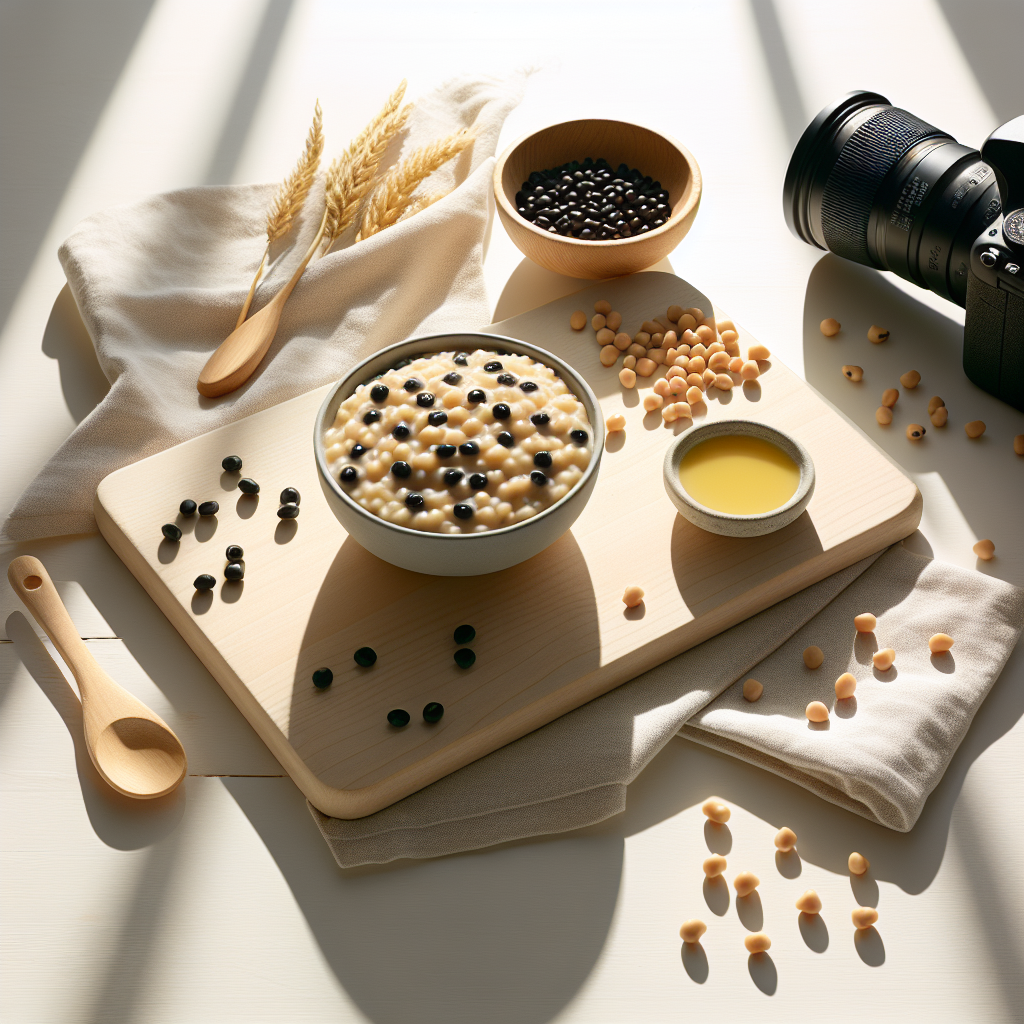
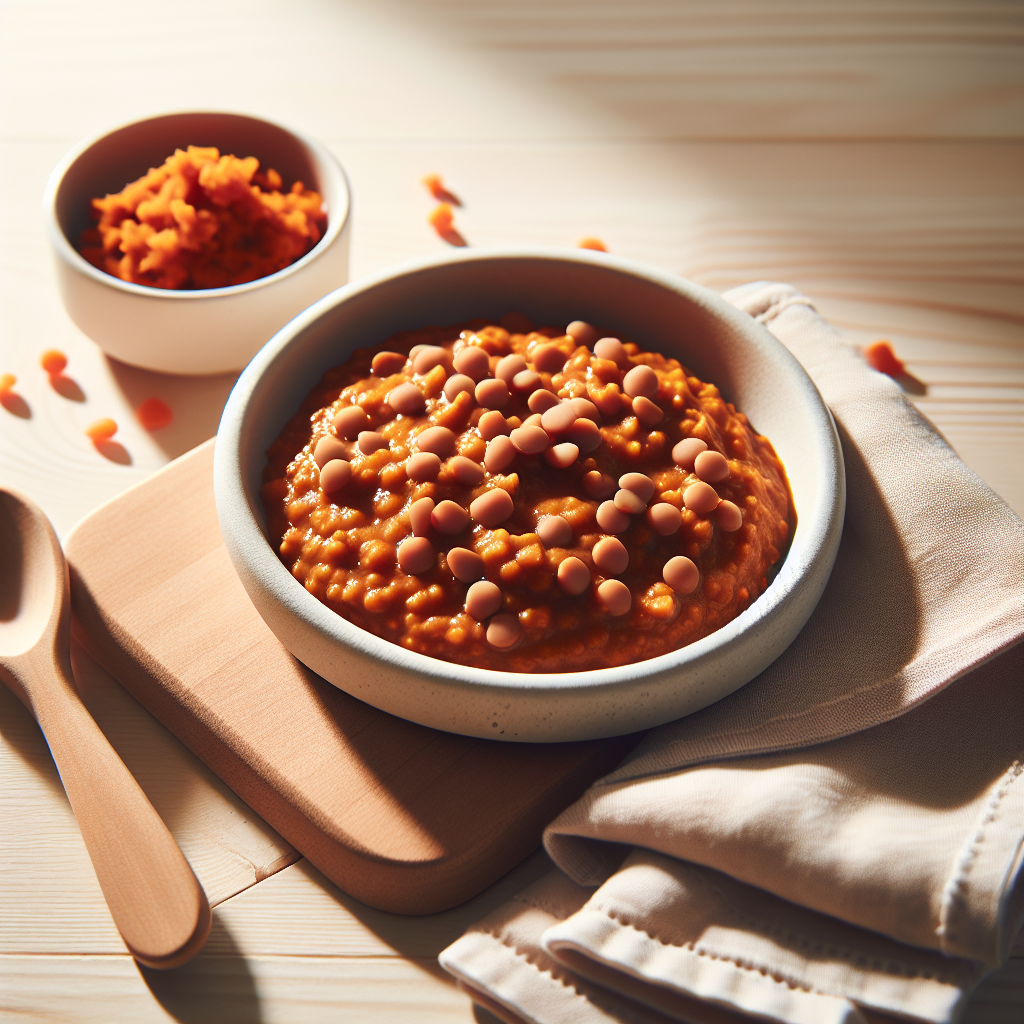
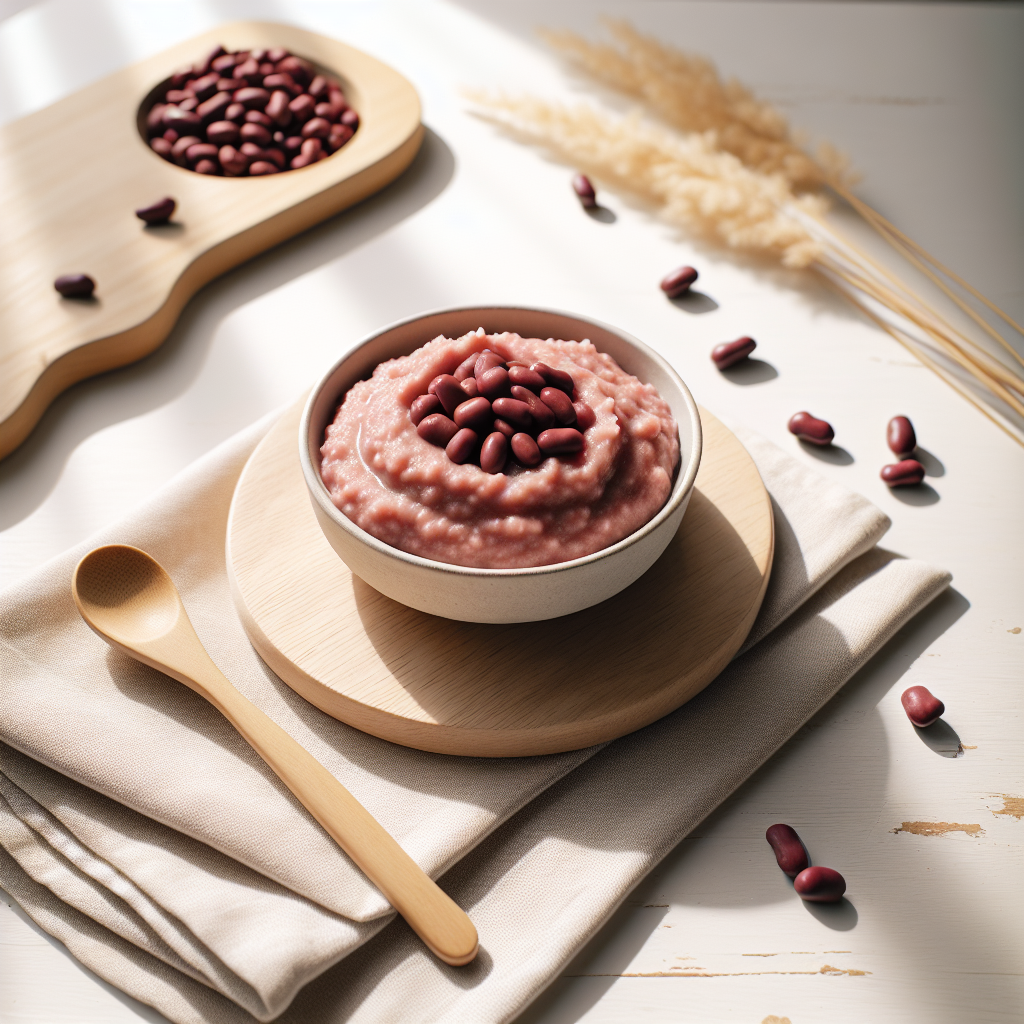
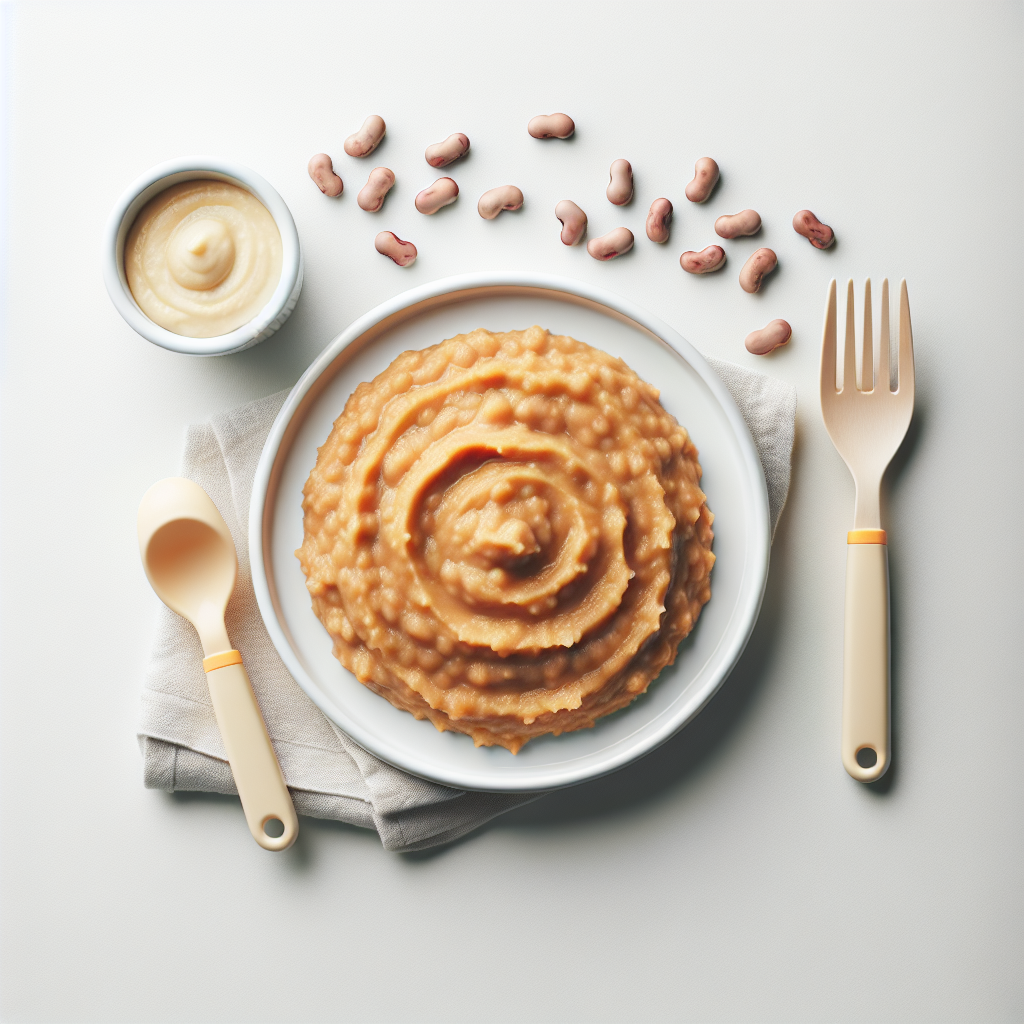
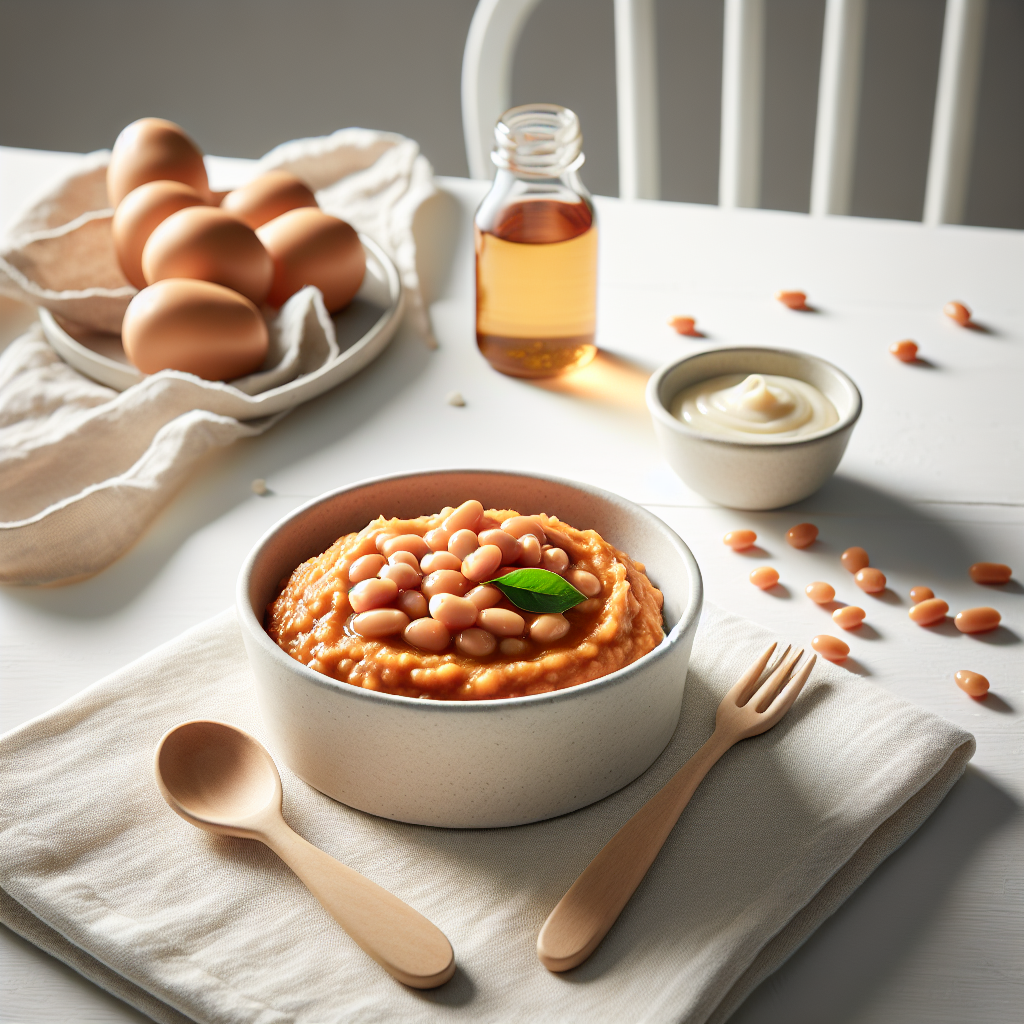
Split pea dhal may be introduced as soon as your baby is ready to start solids, which is generally around 6 months of age. This soft, smooth dish is ideal for early eaters as it requires minimal chewing and can be easily mashed between the gums. As with all new foods, introduce split pea dhal during a time when you can watch your baby closely.
Is Split pea dhal healthy for babies?
Split peas are an excellent source of plant-based protein and iron, both of which support your baby's growth and development. They also provide B vitamins, including folate, and fibre to support healthy digestion. The iron in split peas is particularly valuable for babies around 6 months, when their iron stores from birth begin to deplete.
Lower-risk serving reminders
Split pea dhal has a low choking risk because the split peas break down into a soft, smooth consistency when cooked properly. The texture is naturally easy to swallow and does not pose the firm, round shape that creates higher choking hazards.
Allergen introduction checklist
Split peas are not a common allergen and are generally well tolerated by most babies. Legumes such as split peas are considered low-risk, though any new food should be introduced one at a time so you can monitor for any unusual reactions.
General feeding checklist
Seat baby upright and stable for all meals.
Model slow chewing and allow baby to control pace.
Stop and reset if baby is upset, tired, or over-stuffed.
Readiness signs to check
Baby can sit upright with minimal support during meals.
Hands and mouth coordinate for bringing food to the mouth.
Tongue-thrust reflex is reduced, so food is not immediately pushed out.
Interest in self-feeding and opening mouth for food cues is visible.
Pause and seek advice if
Coughing is persistent or distress does not settle quickly during meals.
You notice repeated vomiting, rash, swelling, wheeze, or breathing changes after a food.
Baby struggles with swallowing progression over multiple meals despite texture adjustments.
There is a known medical condition affecting feeding, growth, or airway safety.
Cook split peas until very soft and blend or mash to a smooth, thick consistency similar to porridge. Serve the dhal in a small bowl or spread it thinly on your baby's tray so they can scoop it with their hands. You can also preload a spoon and place it on the tray for your baby to pick up, or offer strips of soft toast or chapati for dipping.
9–11 months
Continue serving split pea dhal in a thick, scoopable consistency that holds together well. At this age, your baby may enjoy practising with a spoon, so offer the dhal in a bowl with a baby-safe spoon alongside. You can also serve it with soft vegetables such as steamed carrot sticks or broccoli florets for dipping, which encourages self-feeding and exploration.
12–24 months
Serve split pea dhal as part of family meals, either in a bowl for your toddler to eat with a spoon or alongside rice, soft flatbreads, or vegetables. The dhal should be thick enough to scoop but can now have a slightly chunkier texture if your child is comfortable with it. Encourage independent eating by offering appropriate utensils and allowing your toddler to serve themselves when possible.
Common questions about Split pea dhal
Does split pea dhal need to be very smooth for young babies?
For babies aged 6 to 8 months, a smooth, porridge-like consistency works best and helps them practise scooping or allows you to preload a spoon. As your baby develops their eating skills, you can gradually make the dhal thicker.
Can I add spices to split pea dhal for my baby?
Yes, mild spices such as turmeric, cumin, and coriander are safe and can help develop your baby's palate. Avoid adding salt and limit very hot spices like chilli in the early months.
How do I serve split pea dhal for baby-led weaning?
For younger babies, serve it thick enough to scoop with hands or preload onto a spoon. As they grow, you can serve it alongside soft flatbread or vegetables for dipping, or in a bowl with a spoon for self-feeding practice.