Baby-led weaning · age-specific guide
Spelt berry soft for 9–11 months
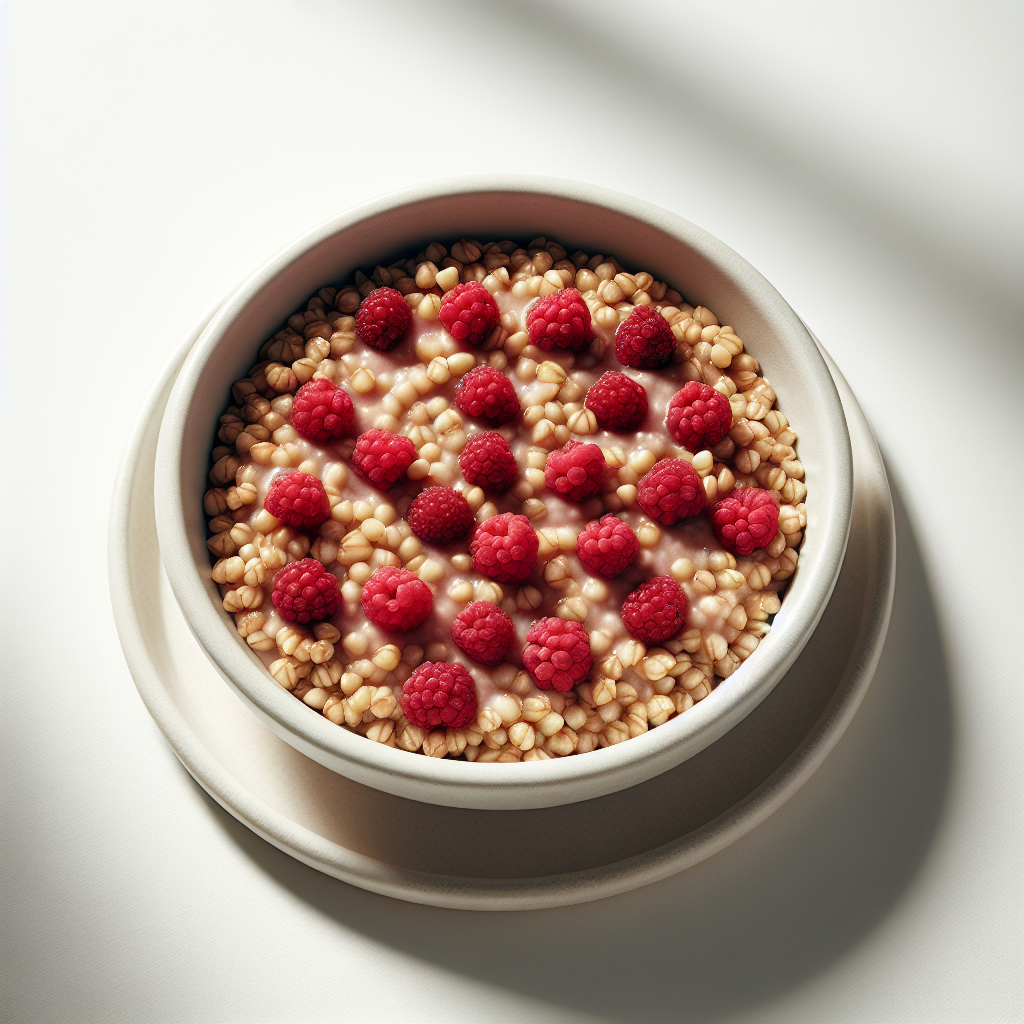
Spelt berries can be introduced as soon as your baby is ready to start solid foods, which is typically around 6 months of age. Because spelt contains gluten, it is important to introduce it early and often in age-appropriate portions to support tolerance development. Always ensure spelt berries are cooked thoroughly until completely soft before offering them to your baby.
How to serve at 9–11 months
Continue offering well-cooked spelt berries as a loose grain that your baby can practise scooping with pre-loaded spoons or their fingers. You can also form the cooked grains into soft patties or balls by mixing them with mashed vegetables, egg, or nut butter, which encourages self-feeding and developing pincer grasp. Keep the texture soft enough to squash easily between your fingers.
Nutrition highlights
Spelt berries are a good source of plant-based protein, which supports your baby's growth and development. They also provide B vitamins, including niacin and thiamine, which help convert food into energy. Additionally, spelt offers minerals like magnesium and phosphorus, which contribute to healthy bone development.
Lower-risk serving reminders
When cooked until soft, spelt berries have a low choking risk because they break down easily under gentle pressure and can be mashed between the gums. The soft, tender texture allows babies to manage them safely, especially when bound with other ingredients or offered in appropriately sized portions.
Allergen information
Spelt contains gluten and is considered a type of wheat, making it a common allergen that must be introduced carefully. Watch for signs of an allergic reaction such as hives, vomiting, or difficulty breathing, and consult your healthcare provider if you have concerns about your baby's risk of wheat allergy or coeliac disease.
Wheat / gluten
Common questions
Do I need to soak spelt berries before cooking them for my baby?
Soaking spelt berries for several hours or overnight can reduce cooking time and make them easier to digest, though it is not strictly necessary. Regardless of whether you soak them, ensure they are cooked thoroughly until completely soft before serving to your baby.
Can I use spelt berries if my baby has a wheat allergy?
No, spelt is a type of wheat and contains gluten, so it is not suitable for babies with a wheat allergy or coeliac disease. Always consult your healthcare provider before introducing spelt if your baby has a known wheat allergy or a family history of such allergies.
How can I make spelt berries easier for my baby to pick up?
Mix cooked spelt berries with a binding ingredient like mashed avocado, yogurt, or nut butter to create a sticky texture that is easier for small hands to scoop. You can also form the mixture into soft patties or balls that your baby can grasp more easily.
General feeding checklist
- Seat baby upright and stable for all meals.
- Model slow chewing and allow baby to control pace.
- Stop and reset if baby is upset, tired, or over-stuffed.
Readiness signs to check
- Baby can sit upright with minimal support during meals.
- Hands and mouth coordinate for bringing food to the mouth.
- Tongue-thrust reflex is reduced, so food is not immediately pushed out.
- Interest in self-feeding and opening mouth for food cues is visible.
Pause and seek advice if
- Coughing is persistent or distress does not settle quickly during meals.
- You notice repeated vomiting, rash, swelling, wheeze, or breathing changes after a food.
- Baby struggles with swallowing progression over multiple meals despite texture adjustments.
- There is a known medical condition affecting feeding, growth, or airway safety.
Other ages: 6–8 months · 12–24 months