Baby-led weaning · age-specific guide
Skyr for 9–11 months
Skyr can be introduced as soon as your baby is ready to start solid foods, which is typically around 6 months of age. As skyr is made from cow's milk, it is an allergen and should be introduced carefully, watching for signs of a reaction. While skyr itself should not be given as a drink in place of breast milk or formula, it can be offered as a nutritious food in age-appropriate ways.
How to serve at 9–11 months
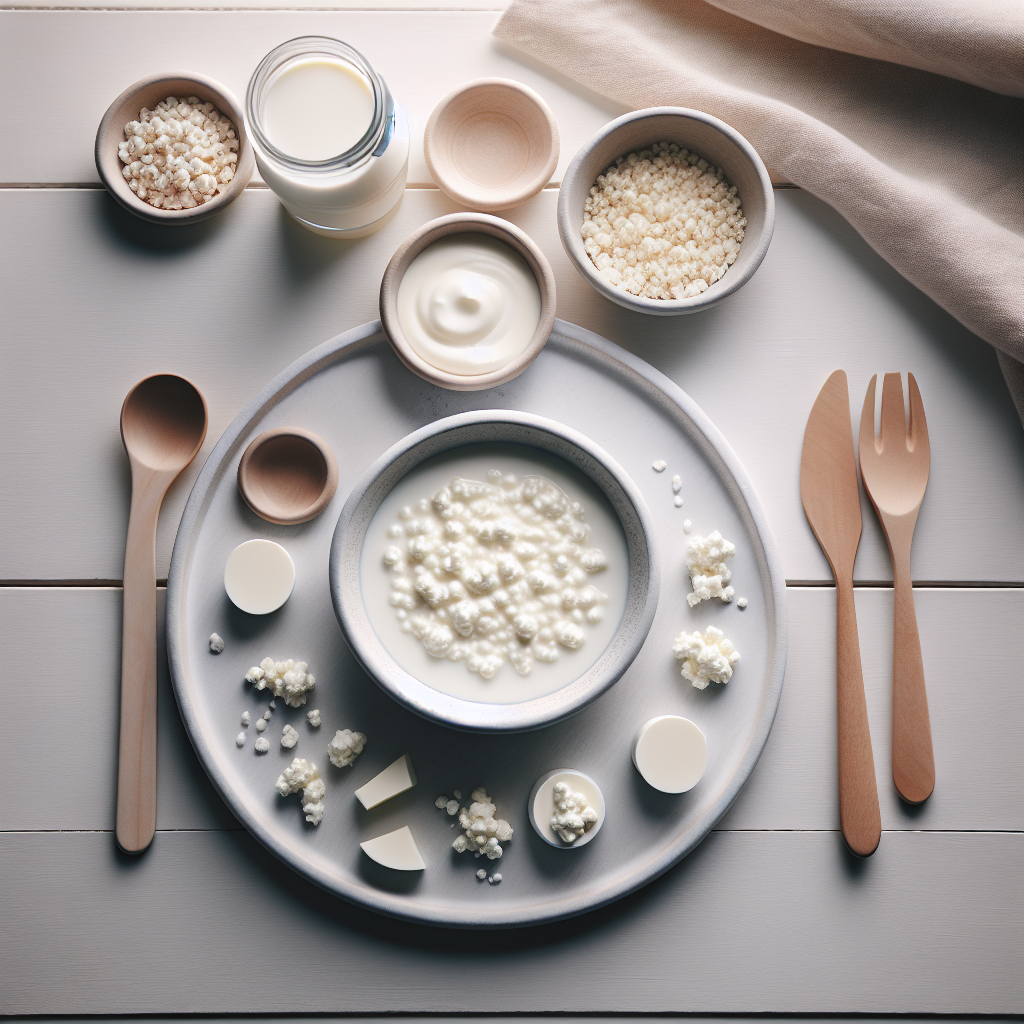
Offer full-fat skyr at its natural thick consistency in a small bowl for self-feeding with hands or a spoon, or continue to spread it on strips of toast or pancakes. You can also mix skyr with mashed fruit or soft cooked vegetables to add variety and help baby practise scooping. This is a good stage to encourage independent feeding, even if it's messy.
Nutrition highlights
Skyr is exceptionally high in protein, providing more than traditional yogurt, which supports growth and development in babies and toddlers. It also contains calcium and phosphorus for building strong bones and teeth, plus beneficial probiotics that support digestive health. Choose full-fat varieties for babies under 2 years, as they need the extra calories and fat-soluble vitamins for brain development.
Lower-risk serving reminders
Skyr has a low choking risk because of its thick, creamy texture that can be easily swallowed or safely spat out if not fully managed. Its smooth consistency makes it a safe early food when served appropriately for your baby's age and stage.
Allergen information
Skyr contains cow's milk protein, which is one of the most common allergens in infancy. When introducing skyr for the first time, watch for signs of cow's milk protein allergy such as hives, eczema flare-ups, vomiting, diarrhoea, or in rare cases, difficulty breathing.
Milk (dairy)
Common questions
Is skyr better than yogurt for babies?
Skyr is higher in protein than most yogurts and lower in sugar, making it a nutritious choice, though both skyr and plain full-fat yogurt are excellent options for babies from 6 months.
Can I give my baby flavoured skyr?
Plain, unsweetened skyr is best for babies, as flavoured varieties often contain added sugars. You can add your own fruit purée or mashed banana if you'd like to add natural sweetness.
Does skyr count as a milk serving for babies?
While skyr is a dairy product, it does not replace breast milk or infant formula for babies under 12 months. After 12 months, skyr can contribute to your child's daily dairy intake alongside whole cow's milk.
General feeding checklist
- Seat baby upright and stable for all meals.
- Model slow chewing and allow baby to control pace.
- Stop and reset if baby is upset, tired, or over-stuffed.
Readiness signs to check
- Baby can sit upright with minimal support during meals.
- Hands and mouth coordinate for bringing food to the mouth.
- Tongue-thrust reflex is reduced, so food is not immediately pushed out.
- Interest in self-feeding and opening mouth for food cues is visible.
Pause and seek advice if
- Coughing is persistent or distress does not settle quickly during meals.
- You notice repeated vomiting, rash, swelling, wheeze, or breathing changes after a food.
- Baby struggles with swallowing progression over multiple meals despite texture adjustments.
- There is a known medical condition affecting feeding, growth, or airway safety.
Other ages: 6–8 months · 12–24 months