Baby-led weaning · age-specific guide
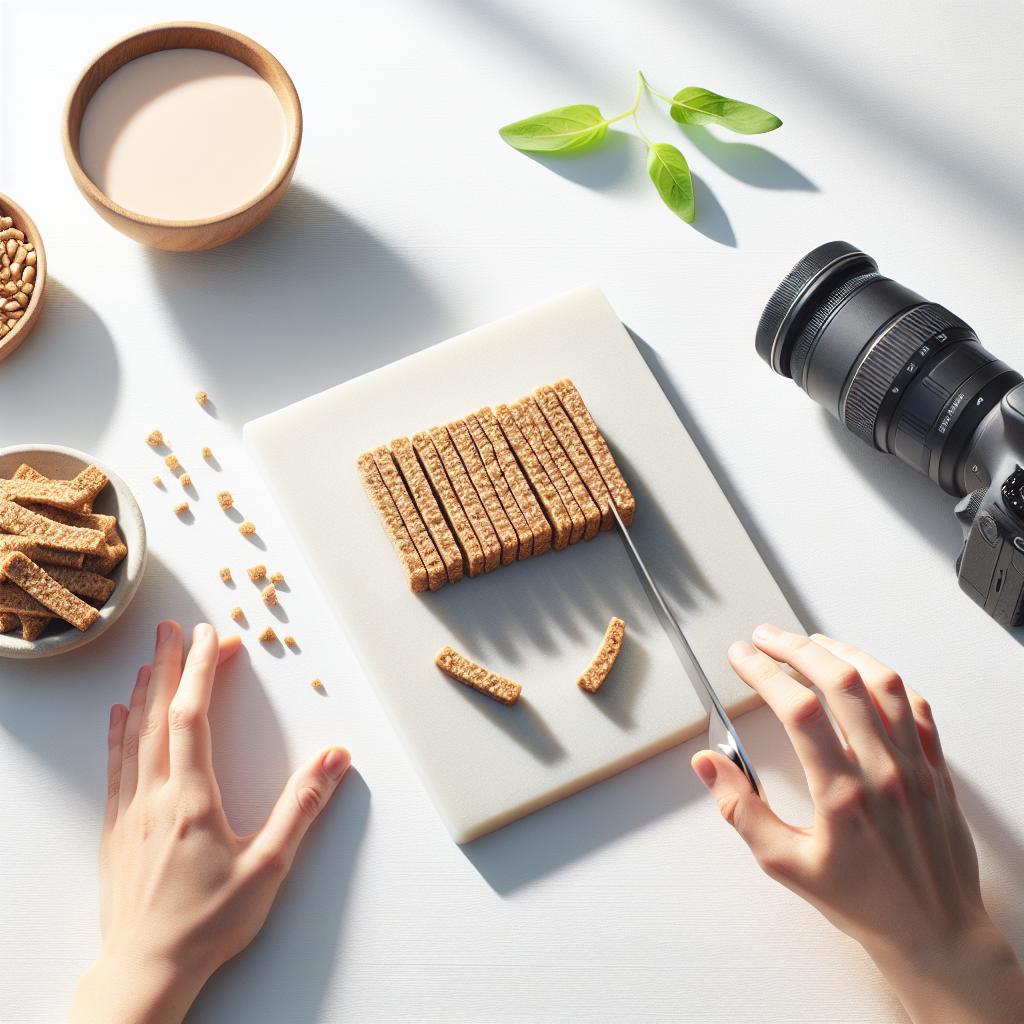
Seitan strip for 6–8 months
Seitan strips can be introduced from 6 months of age, as soon as your baby is ready to start solid foods. Because seitan is made from wheat gluten, it is a common allergen and should be introduced carefully, watching for any signs of a reaction. Always ensure seitan is fully cooked and served in an age-appropriate size and texture to minimise risk.
How to serve at 6–8 months
Offer seitan in soft, finger-length strips about the size of two adult fingers placed together, ensuring it is fully cooked and tender enough to squish easily between your fingers. Avoid any tough outer edges or overly chewy pieces, and keep the seitan moist by serving it with a sauce or gravy. You can offer plain cooked strips or serve alongside mashed vegetables or soft grains for a complete meal.
Nutrition highlights
Seitan is a plant-based protein source that supports growth and development, making it a useful option for vegetarian or vegan families. However, it is low in iron and other key nutrients found in animal proteins, so it should be served alongside iron-rich foods and a varied diet. Seitan is also quite high in sodium depending on how it is prepared, so choose or prepare versions with minimal added salt.
Lower-risk serving reminders
Seitan strips have a low choking risk when prepared properly because they are soft, moist, and easy to chew or gum. Their tender texture breaks down readily in a baby's mouth, making them safer than chewy or dry pieces of meat.
Allergen information
Seitan is made entirely from wheat gluten and is a common allergen. When introducing seitan, watch for signs of an allergic reaction such as hives, vomiting, or digestive upset, and consult your health visitor or GP if you have concerns.
Wheat / gluten
Common questions
Is seitan safe for babies with a wheat allergy?
No, seitan is made entirely from wheat gluten and should be avoided if your baby has a wheat or gluten allergy or coeliac disease.
Can I give my baby shop-bought seitan?
Yes, but check the label for added salt, sugar, and other seasonings, as many shop-bought versions are quite high in sodium and may not be ideal for babies.
Is seitan a good source of iron for my baby?
No, seitan is not a good source of iron. Pair it with iron-rich foods like beans, lentils, or fortified cereals to support your baby's nutritional needs.
General feeding checklist
- Seat baby upright and stable for all meals.
- Model slow chewing and allow baby to control pace.
- Stop and reset if baby is upset, tired, or over-stuffed.
Readiness signs to check
- Baby can sit upright with minimal support during meals.
- Hands and mouth coordinate for bringing food to the mouth.
- Tongue-thrust reflex is reduced, so food is not immediately pushed out.
- Interest in self-feeding and opening mouth for food cues is visible.
Pause and seek advice if
- Coughing is persistent or distress does not settle quickly during meals.
- You notice repeated vomiting, rash, swelling, wheeze, or breathing changes after a food.
- Baby struggles with swallowing progression over multiple meals despite texture adjustments.
- There is a known medical condition affecting feeding, growth, or airway safety.
Other ages: 9–11 months · 12–24 months