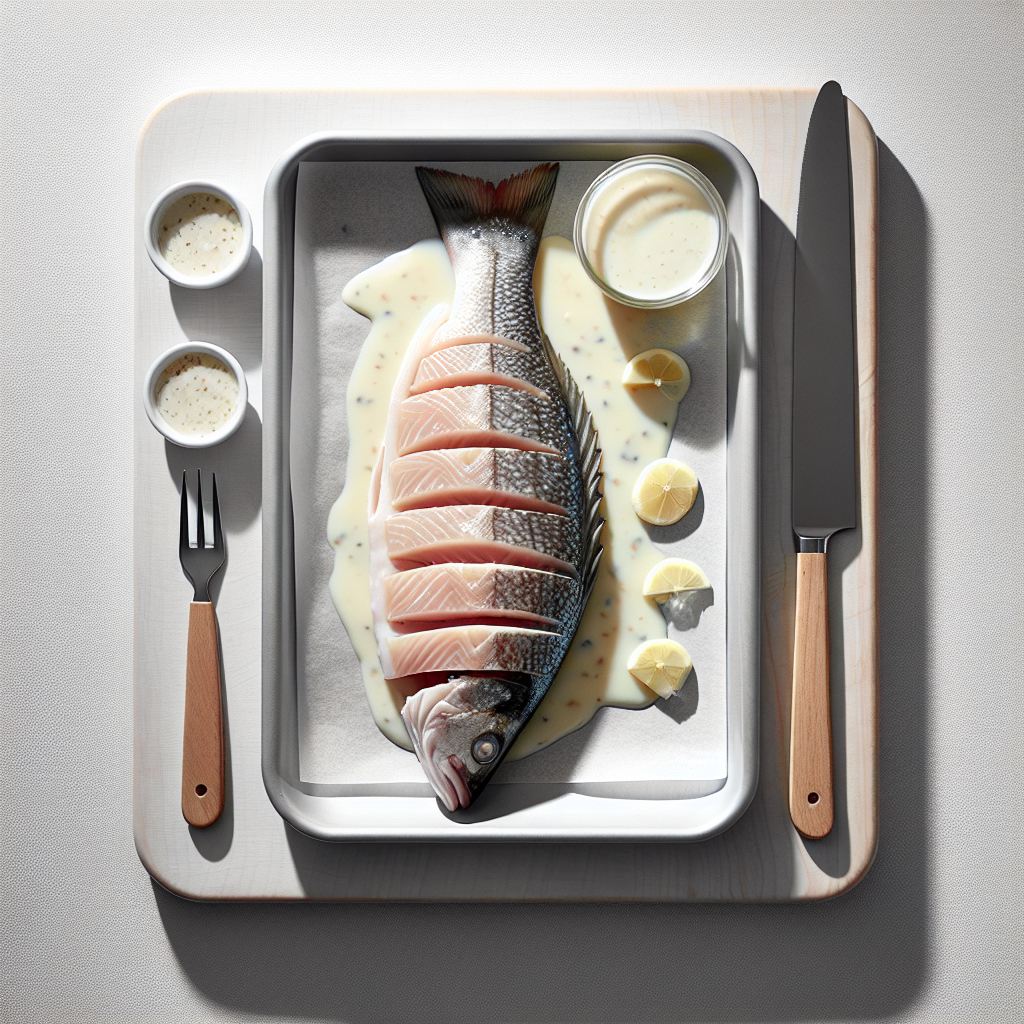
Baby-led weaning · age-specific guide
Sea bass fillet for 6–8 months
Sea bass fillet can be introduced as soon as your baby is ready to start solid foods, which is typically around 6 months of age. As fish is a common allergen, it's important to introduce it early and often, in age-appropriate forms, to help reduce the risk of developing an allergy. Always ensure the fish is fully cooked, boneless, and served in a way that suits your baby's developmental stage.
How to serve at 6–8 months
Cook the sea bass fillet fully until it flakes easily with a fork, ensuring there are no bones. Offer it in finger-length strips about the width of two adult fingers, removing any tough skin, or shred the fish into large flakes that baby can scoop with their palm. Serve the fish plain or lightly seasoned, keeping it moist by drizzling with a small amount of olive oil or breast milk, and consider pairing it with soft cooked vegetables or mashed avocado.
Nutrition highlights
Sea bass is an excellent source of high-quality protein, which supports your baby's growth and muscle development. It provides omega-3 fatty acids, particularly DHA, which are important for brain and eye development. Sea bass also offers beneficial vitamins and minerals including B vitamins, selenium, and phosphorus, which support energy metabolism and bone health.
Lower-risk serving reminders
Sea bass fillet has a low choking risk when properly prepared because it flakes easily into small, soft pieces that are manageable for babies to chew and swallow. The naturally tender texture of cooked sea bass breaks down well in the mouth, making it safer than firmer or drier proteins.
Allergen information
Fish, including sea bass, is one of the top allergens and should be introduced early and regularly to help reduce the risk of allergy development. Watch for signs of an allergic reaction such as hives, swelling, vomiting, or difficulty breathing, and consult your healthcare provider if you have concerns about food allergies.
Fish
Common questions
How do I check sea bass fillet for bones before serving to my baby?
Run your fingers gently over the entire surface of the cooked fillet, feeling for any small pin bones. Remove any bones you find with clean tweezers or your fingers, and double-check before serving.
Can I use frozen sea bass fillet for baby-led weaning?
Yes, frozen sea bass is perfectly suitable and often just as nutritious as fresh. Thaw it safely in the fridge overnight, then cook thoroughly and check carefully for bones before serving.
What's the best way to cook sea bass fillet to keep it moist for babies?
Gentle cooking methods like steaming, poaching, or baking at a moderate temperature help retain moisture. Avoid overcooking, which can make the fish dry and harder for babies to manage.
General feeding checklist
- Seat baby upright and stable for all meals.
- Model slow chewing and allow baby to control pace.
- Stop and reset if baby is upset, tired, or over-stuffed.
Readiness signs to check
- Baby can sit upright with minimal support during meals.
- Hands and mouth coordinate for bringing food to the mouth.
- Tongue-thrust reflex is reduced, so food is not immediately pushed out.
- Interest in self-feeding and opening mouth for food cues is visible.
Pause and seek advice if
- Coughing is persistent or distress does not settle quickly during meals.
- You notice repeated vomiting, rash, swelling, wheeze, or breathing changes after a food.
- Baby struggles with swallowing progression over multiple meals despite texture adjustments.
- There is a known medical condition affecting feeding, growth, or airway safety.
Other ages: 9–11 months · 12–24 months