Baby-led weaning · age-specific guide
Schmaltz trace for 12–24 months
Schmaltz, which is rendered chicken or goose fat, may be introduced in trace amounts as soon as your baby is ready to start solids, which is generally around 6 months of age. When used sparingly as a cooking fat or to add moisture and flavour to foods, schmaltz can be a safe addition to your baby's diet. Because it is typically used in very small quantities rather than served on its own, it poses minimal risk when incorporated into age-appropriate recipes.
How to serve at 12–24 months
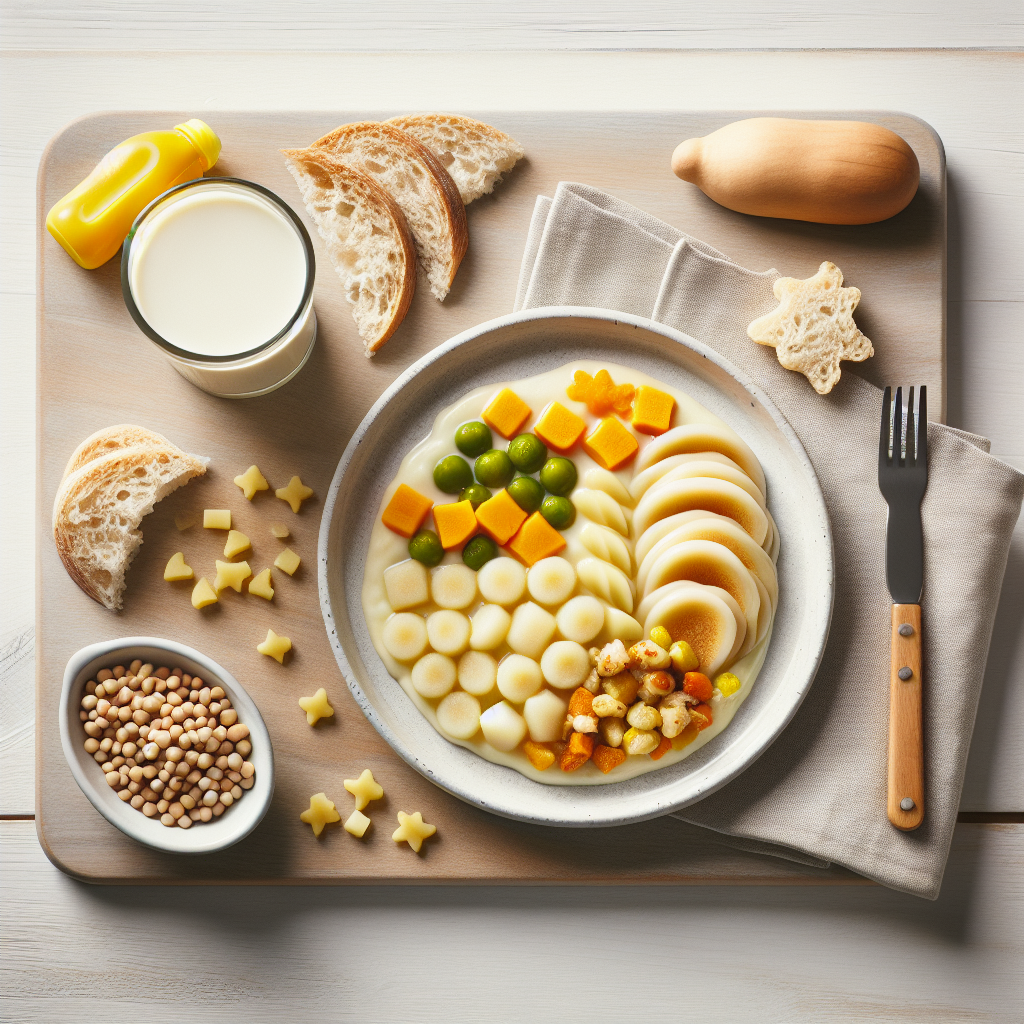
Use schmaltz in trace amounts when preparing family meals such as roasted vegetables, pasta dishes, or grain-based sides that your toddler can enjoy alongside the rest of the family. You can also spread a thin layer on bread or use it to pan-fry foods like potato cakes or vegetable fritters. At this stage, schmaltz can be incorporated into a wide variety of meals to add flavour and healthy fat in moderation.
Nutrition highlights
Schmaltz is a source of dietary fat, which is essential for babies' brain development, hormone production, and the absorption of fat-soluble vitamins such as A, D, E, and K. It also provides energy to support your baby's rapid growth during the first year. When used in small amounts, schmaltz can help make foods more palatable and easier to swallow, though it should be part of a varied diet that includes other healthy fats as well.
Lower-risk serving reminders
Schmaltz in trace amounts presents a low choking risk because it is a fat that melts at body temperature and is used to coat or cook other foods rather than being served as a standalone item. When mixed into purées, spread on toast, or used to sauté vegetables, it does not create any solid pieces that could obstruct the airway.
Allergen introduction checklist
Schmaltz is not a common allergen and does not contain any of the major food allergens recognised in the UK and US. Because it is made from rendered poultry fat, it is generally well-tolerated by babies, though you should always introduce any new food and monitor your baby for signs of an adverse reaction.
Common questions
Can I use schmaltz to cook vegetables for my baby?
Yes, you can use a small amount of schmaltz to sauté or roast vegetables for your baby from 6 months onwards. It adds flavour and helps with the absorption of fat-soluble vitamins.
Is schmaltz healthier than butter or oil for babies?
Schmaltz, butter, and plant-based oils all provide dietary fat and can be used in moderation as part of a balanced diet. The best approach is to offer a variety of healthy fats rather than relying on just one type.
How much schmaltz should I use when cooking for my baby?
Use schmaltz sparingly, typically no more than a teaspoon or so when cooking a portion of food for your baby. A trace amount is enough to add moisture and flavour without overwhelming their meal with fat.
General feeding checklist
- Seat baby upright and stable for all meals.
- Model slow chewing and allow baby to control pace.
- Stop and reset if baby is upset, tired, or over-stuffed.
Readiness signs to check
- Baby can sit upright with minimal support during meals.
- Hands and mouth coordinate for bringing food to the mouth.
- Tongue-thrust reflex is reduced, so food is not immediately pushed out.
- Interest in self-feeding and opening mouth for food cues is visible.
Pause and seek advice if
- Coughing is persistent or distress does not settle quickly during meals.
- You notice repeated vomiting, rash, swelling, wheeze, or breathing changes after a food.
- Baby struggles with swallowing progression over multiple meals despite texture adjustments.
- There is a known medical condition affecting feeding, growth, or airway safety.
Other ages: 6–8 months · 9–11 months