Baby-led weaning · age-specific guide
Satsuma for 12–24 months
Satsumas may be introduced as soon as your baby is ready to start solid foods, which is generally around 6 months of age. These sweet citrus fruits are soft when ripe, making them a suitable early food for baby-led weaning. Always ensure the satsuma is fully ripe and very soft to make it easier for your baby to gum and swallow safely.
How to serve at 12–24 months
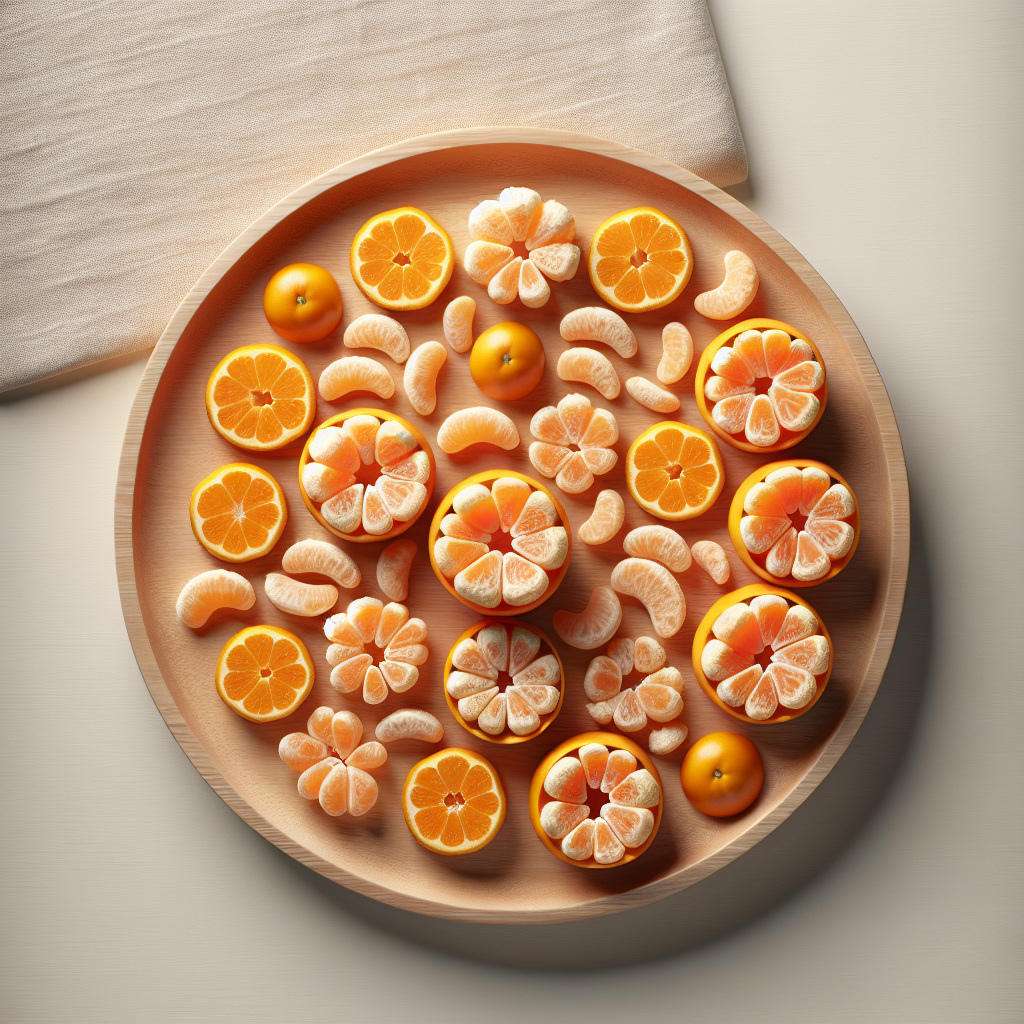
Offer peeled satsuma segments cut into bite-sized pieces, continuing to halve or quarter them to maintain a safe shape. At this age, toddlers can typically manage whole segments, but it remains important to supervise and ensure pieces are not too large or round. Remove any seeds as your child encounters them.
Nutrition highlights
Satsumas are an excellent source of vitamin C, which supports immune function and helps the body absorb iron from plant-based foods. They also provide fibre to support healthy digestion and hydration due to their high water content. The natural sugars in satsumas offer quick energy, whilst their soft texture makes them easy for babies to handle and eat.
Lower-risk serving reminders
Satsumas have a low choking risk when served ripe and soft, as the flesh breaks down easily in the mouth. The main safety consideration is removing any tough membranes and offering the fruit in appropriately sized pieces for your baby's age and skill level.
Allergen introduction checklist
Satsumas are not considered a common allergen. Citrus fruits like satsumas can occasionally cause a harmless rash around the mouth due to their acidity, but this is not a true allergic reaction.
Common questions
Do I need to remove the white pith from satsumas for my baby?
The white pith is safe to eat and contains fibre, but you may wish to remove any thick or stringy bits that could be difficult for younger babies to manage.
Can the acidity in satsumas upset my baby's tummy?
Satsumas are generally well tolerated, though citrus acidity can occasionally cause nappy rash or a temporary rash around the mouth in some babies. This usually resolves on its own and is not harmful.
Should I worry about the segments being slippery for my baby to hold?
Satsuma segments can be slippery, so offering larger wedges or strips with some pith attached can give younger babies something easier to grip. As their pincer grasp develops, smaller pieces become manageable.
General feeding checklist
- Seat baby upright and stable for all meals.
- Model slow chewing and allow baby to control pace.
- Stop and reset if baby is upset, tired, or over-stuffed.
Readiness signs to check
- Baby can sit upright with minimal support during meals.
- Hands and mouth coordinate for bringing food to the mouth.
- Tongue-thrust reflex is reduced, so food is not immediately pushed out.
- Interest in self-feeding and opening mouth for food cues is visible.
Pause and seek advice if
- Coughing is persistent or distress does not settle quickly during meals.
- You notice repeated vomiting, rash, swelling, wheeze, or breathing changes after a food.
- Baby struggles with swallowing progression over multiple meals despite texture adjustments.
- There is a known medical condition affecting feeding, growth, or airway safety.
Other ages: 6–8 months · 9–11 months