Baby-led weaning · age-specific guide
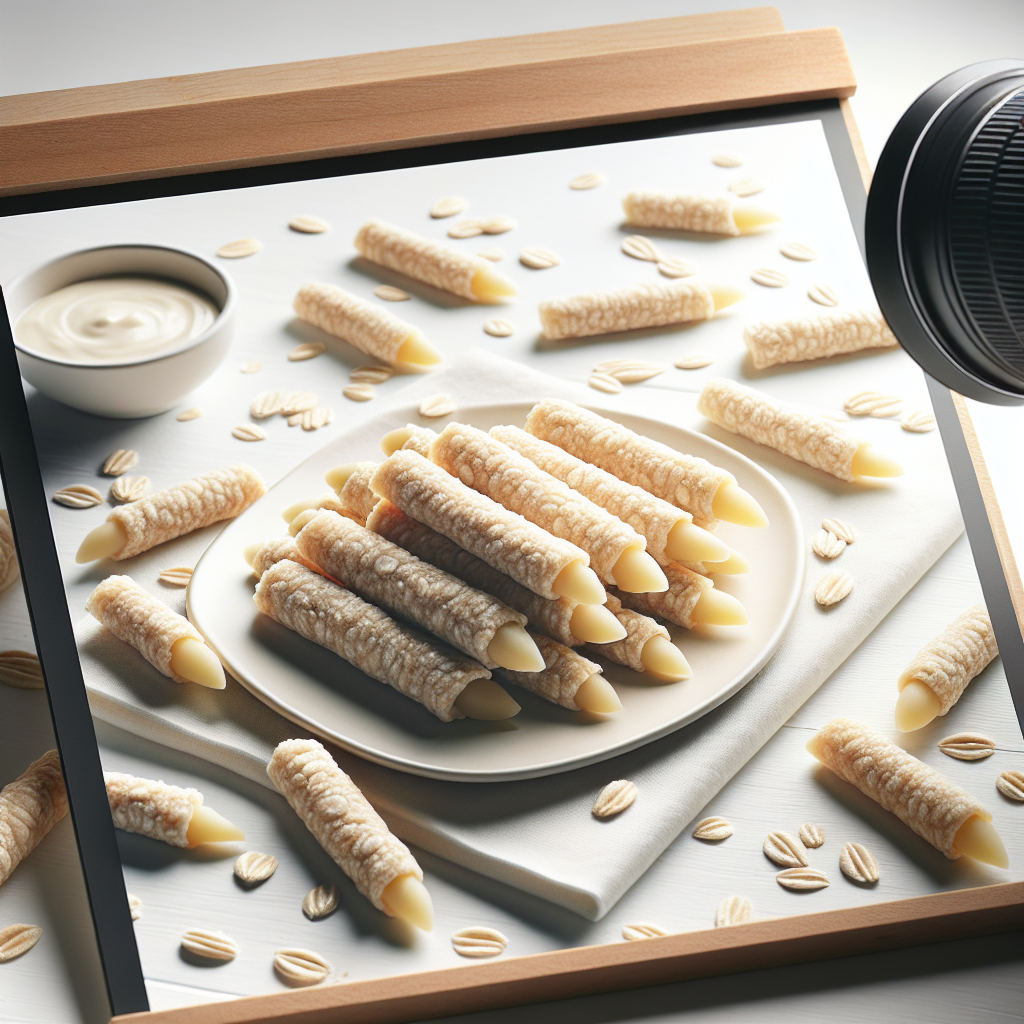
Rolled oat finger for 12–24 months
Rolled oat fingers can be offered from 6 months of age, as soon as your baby is ready to start solid foods. These homemade or shop-bought biscuits are a convenient finger food that supports self-feeding and provides sustained energy. Always ensure they are soft enough to squash between your fingers and supervise your baby closely during meals.
How to serve at 12–24 months
Rolled oat fingers can now be served as they come, whole or broken into smaller pieces, depending on your toddler's preference and chewing ability. They make an easy snack or breakfast option and can be enjoyed plain or spread with nut or seed butter, mashed avocado, or cream cheese. Continue to supervise mealtimes and encourage your child to sit while eating.
Nutrition highlights
Rolled oat fingers are naturally rich in iron, which is essential for your baby's brain development and energy levels. They also provide protein, fibre, and B vitamins, which support growth, digestion, and overall health. Oats release energy slowly, helping to keep babies satisfied between meals.
Lower-risk serving reminders
Rolled oat fingers have a low choking risk because they soften quickly in the mouth and dissolve with saliva. Their texture breaks down easily, even for babies who are just beginning to develop their chewing skills.
Allergen introduction checklist
Plain rolled oat fingers made solely from oats are not a common allergen and can be offered freely. However, check the ingredients if shop-bought, as some varieties may contain allergens such as milk, egg, wheat, or nuts.
Common questions
Can I make my own rolled oat fingers at home?
Yes, homemade oat fingers are simple to prepare using oats, mashed banana or apple purée, and a little oil or butter, then baked until firm. This allows you to control the ingredients and avoid added sugar or salt.
Are rolled oat fingers suitable for babies with coeliac disease?
Pure oats are naturally gluten-free, but they are often contaminated with wheat during processing. If your baby has coeliac disease or gluten intolerance, choose certified gluten-free oats and oat products.
How should I store rolled oat fingers?
Store homemade or opened oat fingers in an airtight container at room temperature for up to five days, or freeze for up to three months. Always check for freshness before serving.
General feeding checklist
- Seat baby upright and stable for all meals.
- Model slow chewing and allow baby to control pace.
- Stop and reset if baby is upset, tired, or over-stuffed.
Readiness signs to check
- Baby can sit upright with minimal support during meals.
- Hands and mouth coordinate for bringing food to the mouth.
- Tongue-thrust reflex is reduced, so food is not immediately pushed out.
- Interest in self-feeding and opening mouth for food cues is visible.
Pause and seek advice if
- Coughing is persistent or distress does not settle quickly during meals.
- You notice repeated vomiting, rash, swelling, wheeze, or breathing changes after a food.
- Baby struggles with swallowing progression over multiple meals despite texture adjustments.
- There is a known medical condition affecting feeding, growth, or airway safety.
Other ages: 6–8 months · 9–11 months