Baby-led weaning · age-specific guide
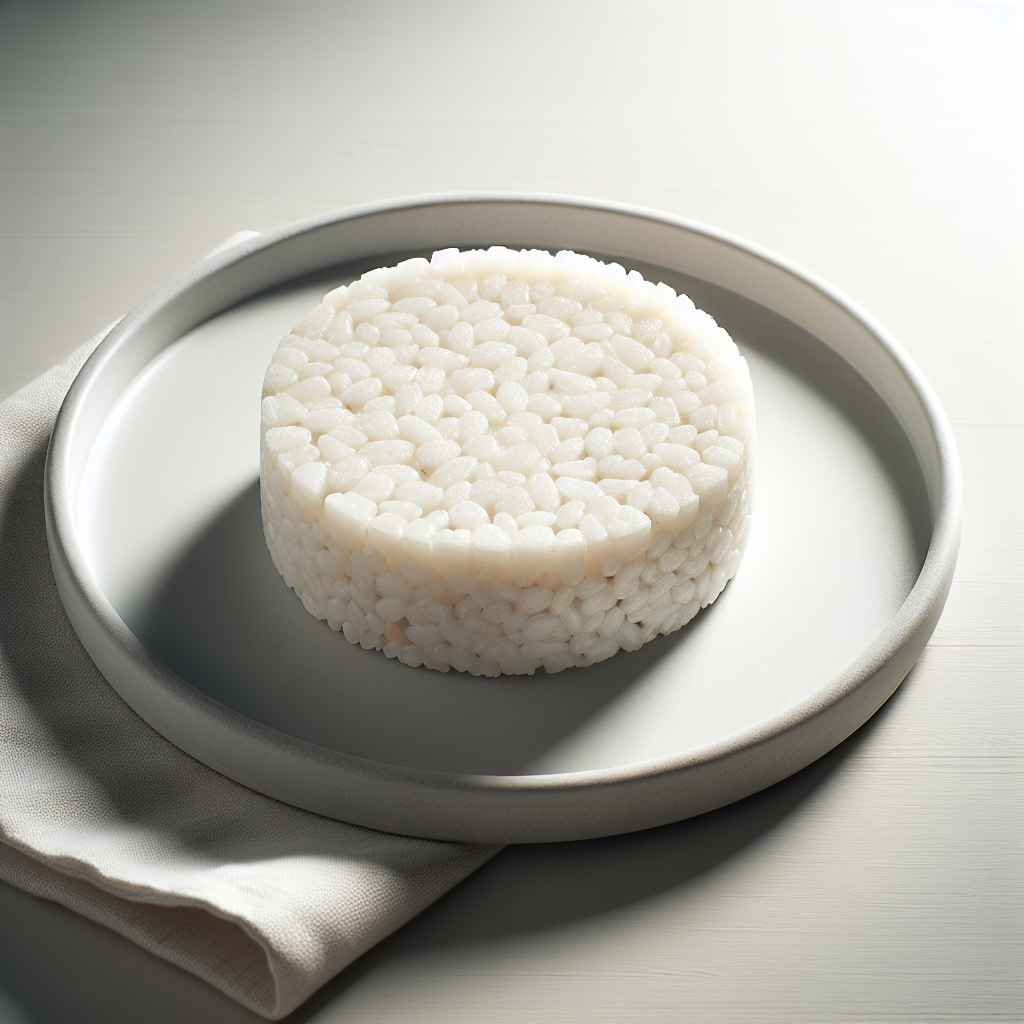
Rice cake unsalted for 9–11 months
Unsalted rice cakes can be offered from around six months of age, as soon as your baby is ready to start solid foods. Choose plain, unsalted varieties without added sugar or honey, and always supervise closely as rice cakes can break into sharp, hard pieces that may pose a risk if not softened first. While they are lightweight and easy for babies to hold, they require careful preparation to ensure safe eating.
How to serve at 9–11 months
Continue offering whole unsalted rice cakes topped with spreads like hummus, cream cheese, or nut butter, or break them into large bite-sized pieces if your baby is developing a pincer grasp. You can also crush rice cakes and mix them into yogurt or porridge for variety. Always ensure the rice cake is softened with a topping to prevent sharp edges.
Nutrition highlights
Unsalted rice cakes are primarily a source of carbohydrates, providing energy for active babies and toddlers. They are naturally low in fat, protein, and micronutrients, so it's best to pair them with nutrient-dense toppings like nut or seed butter, hummus, mashed beans, or avocado to create a more balanced snack. Because they are low in fibre compared to whole grains, they should be offered alongside a variety of other whole foods.
Lower-risk serving reminders
Unsalted rice cakes have a low choking risk when prepared appropriately because they dissolve relatively quickly when moistened with saliva. However, dry rice cakes can break into hard, sharp shards, so it's important to serve them softened with a topping like yogurt, nut butter, or mashed avocado to reduce this risk.
Allergen introduction checklist
Rice is not a common allergen and rice cakes made solely from puffed rice are generally well tolerated. However, always check the ingredient list, as some rice cakes may contain sesame seeds, nuts, or other allergens depending on the variety.
Common questions
Do I need to soften rice cakes before giving them to my baby
Yes, it's safest to soften dry rice cakes with a topping like yogurt, nut butter, or mashed fruit to prevent them from breaking into hard, sharp pieces that could be difficult for your baby to manage.
Can my baby choke on rice cakes
While rice cakes have a low choking risk when prepared properly, dry rice cakes can break into hard shards, so always serve them softened and supervise your baby closely during eating.
Are rice cakes nutritious for babies
Rice cakes are a source of energy from carbohydrates but are low in protein, fat, and most vitamins and minerals, so they're best served with nutrient-dense toppings like nut butter, avocado, or hummus to create a more balanced snack.
General feeding checklist
- Seat baby upright and stable for all meals.
- Model slow chewing and allow baby to control pace.
- Stop and reset if baby is upset, tired, or over-stuffed.
Readiness signs to check
- Baby can sit upright with minimal support during meals.
- Hands and mouth coordinate for bringing food to the mouth.
- Tongue-thrust reflex is reduced, so food is not immediately pushed out.
- Interest in self-feeding and opening mouth for food cues is visible.
Pause and seek advice if
- Coughing is persistent or distress does not settle quickly during meals.
- You notice repeated vomiting, rash, swelling, wheeze, or breathing changes after a food.
- Baby struggles with swallowing progression over multiple meals despite texture adjustments.
- There is a known medical condition affecting feeding, growth, or airway safety.
Other ages: 6–8 months · 12–24 months