Baby-led weaning · age-specific guide
Rice brown soft for 9–11 months
Brown rice can be introduced as soon as your baby is ready to start solid foods, which is typically around 6 months of age. Ensure the rice is cooked until very soft and tender, as firmer grains may pose a greater risk. Brown rice is a nutritious whole grain that provides gentle energy and fibre for growing babies.
How to serve at 9–11 months
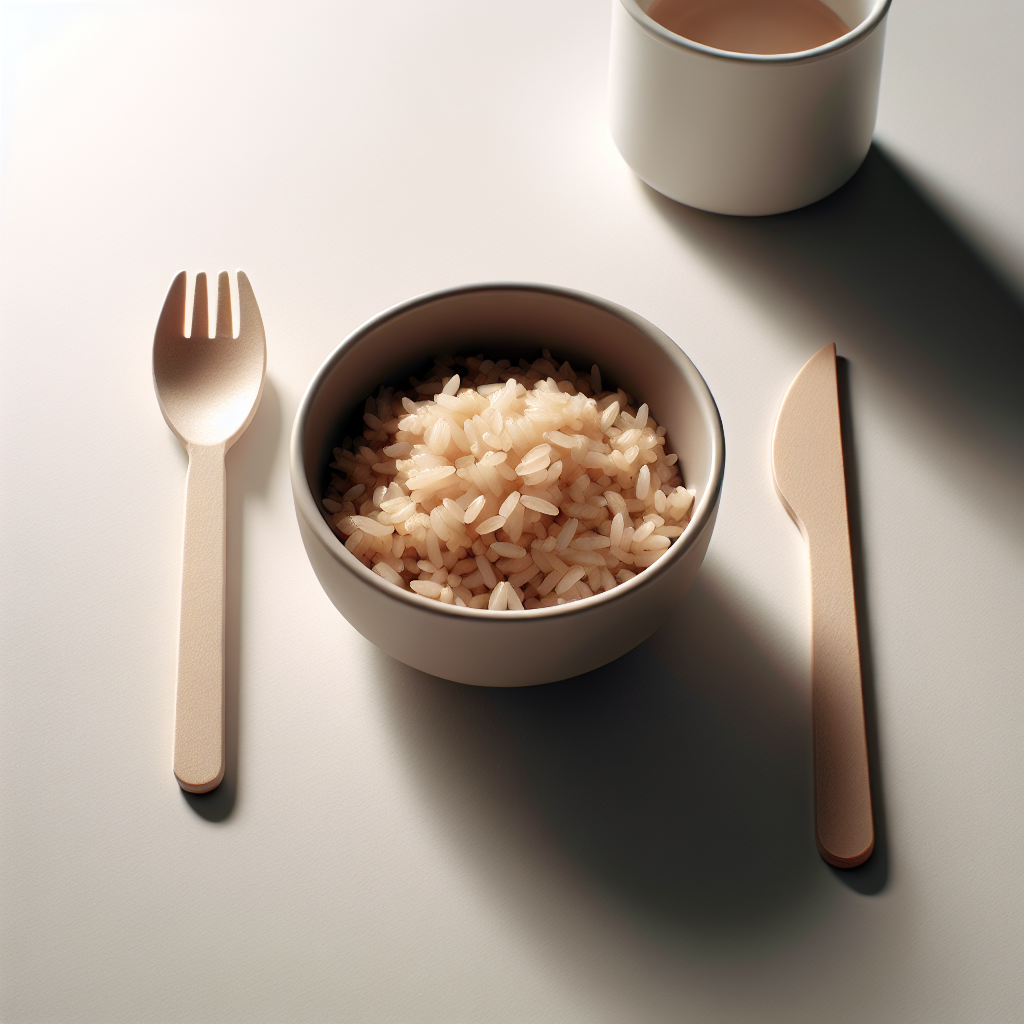
Continue to serve well-cooked brown rice mixed with a binder, or begin offering it in loose grain form as your baby develops their pincer grasp. You can also shape the rice into small, soft patties or balls that are easy to pick up and bite. Encourage self-feeding by pre-loading a baby-safe spoon with the rice and allowing your baby to bring it to their mouth independently.
Nutrition highlights
Brown rice is a whole grain that provides carbohydrates for energy, as well as B vitamins that support metabolism and nervous system development. It contains more fibre, magnesium, and phosphorus than white rice, which support digestive health and bone development. While brown rice is nutritious, it is not a significant source of iron or protein, so pair it with iron-rich foods like meat, beans, or leafy greens to support your baby's growth.
Lower-risk serving reminders
Soft, well-cooked brown rice presents a low choking risk because the individual grains are small, tender, and easy to mash between the gums. When properly prepared, the rice breaks down easily in the mouth and can be swallowed safely by babies who are just starting solids.
Allergen introduction checklist
Brown rice is not a common allergen and is generally well tolerated by most babies. Rice is often one of the first grains introduced due to its low allergen profile, making it a safe choice for early weaning.
Common questions
How do I stop brown rice from being too loose for my baby to pick up
Mix the cooked rice with a binder such as full-fat yogurt, mashed avocado, nut or seed butter, or breast milk to create a stickier texture that clumps together and is easier for babies to grasp and self-feed.
Can I use leftover brown rice for baby-led weaning
Yes, leftover brown rice works well as long as it has been stored safely in the fridge and reheated thoroughly. You can reshape it into balls or patties, or mix it with other foods to refresh the texture.
Is brown rice better than white rice for babies
Brown rice retains more fibre, vitamins, and minerals than white rice because it is a whole grain. However, both are safe and nutritious options, and variety is beneficial for developing babies.
General feeding checklist
- Seat baby upright and stable for all meals.
- Model slow chewing and allow baby to control pace.
- Stop and reset if baby is upset, tired, or over-stuffed.
Readiness signs to check
- Baby can sit upright with minimal support during meals.
- Hands and mouth coordinate for bringing food to the mouth.
- Tongue-thrust reflex is reduced, so food is not immediately pushed out.
- Interest in self-feeding and opening mouth for food cues is visible.
Pause and seek advice if
- Coughing is persistent or distress does not settle quickly during meals.
- You notice repeated vomiting, rash, swelling, wheeze, or breathing changes after a food.
- Baby struggles with swallowing progression over multiple meals despite texture adjustments.
- There is a known medical condition affecting feeding, growth, or airway safety.
Other ages: 6–8 months · 12–24 months