Baby-led weaning · age-specific guide
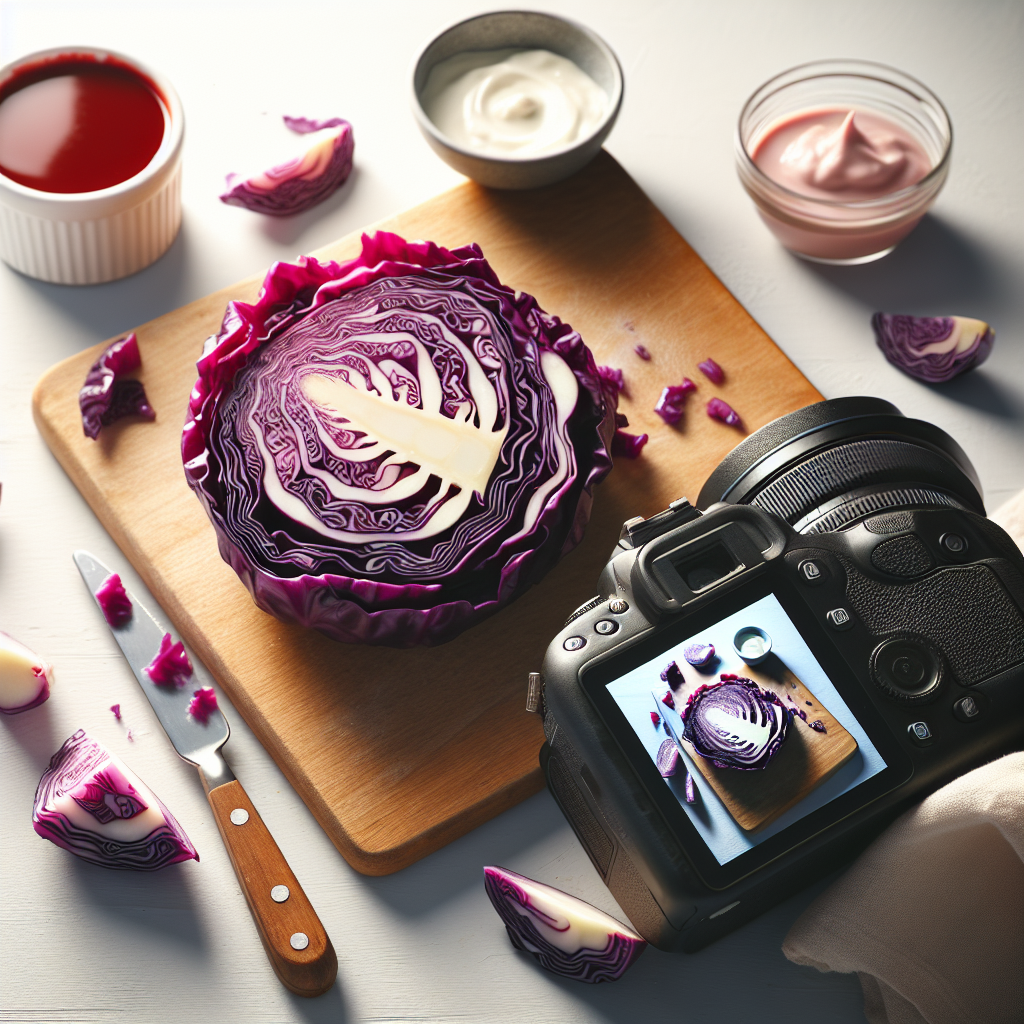
Red cabbage cooked for 6–8 months
Red cabbage cooked can be introduced as soon as your baby is ready to start solids, which is typically around 6 months of age. When cooked until very soft, red cabbage becomes tender and easy for babies to gum and swallow. As with all new foods, introduce red cabbage on its own first and watch for any signs of sensitivity.
How to serve at 6–8 months
Steam or roast red cabbage until it is very soft and can be easily squished between your fingers. Serve as finger-length strips about the width of two adult fingers, or offer large, flat wedges that baby can hold and gum. You can toss the cooked cabbage in a little olive oil or butter to make the pieces easier for baby to grasp and to help with nutrient absorption.
Nutrition highlights
Red cabbage is rich in vitamin C, which supports immune function and helps the body absorb iron from other foods. It also provides vitamin K for healthy blood clotting and bone development, as well as antioxidants that support overall health. The vibrant purple colour comes from beneficial plant compounds called anthocyanins.
Lower-risk serving reminders
Cooked red cabbage has a low choking risk when prepared properly, as it becomes soft and easy to mash when steamed or roasted. The tender texture allows babies to gum and break down the vegetable safely, even before they have teeth.
Allergen introduction checklist
Red cabbage is not a common allergen and is generally well tolerated by babies. Allergic reactions to cabbage are rare, though any new food can occasionally cause sensitivity such as a rash or upset tummy.
Common questions
Why does red cabbage turn blue or green when cooked?
Red cabbage can change colour when it reacts with alkaline cooking water or utensils. Adding a splash of vinegar or lemon juice during cooking helps keep the vibrant purple colour.
Will red cabbage cause gas in my baby?
Red cabbage is a cruciferous vegetable and can cause gas in some babies, though cooking it well makes it easier to digest. Start with small portions and watch how your baby tolerates it.
Can I serve raw red cabbage to my baby?
Raw red cabbage is too firm and difficult for babies to safely chew and swallow. Always cook red cabbage until very soft before offering it to babies and toddlers.
General feeding checklist
- Seat baby upright and stable for all meals.
- Model slow chewing and allow baby to control pace.
- Stop and reset if baby is upset, tired, or over-stuffed.
Readiness signs to check
- Baby can sit upright with minimal support during meals.
- Hands and mouth coordinate for bringing food to the mouth.
- Tongue-thrust reflex is reduced, so food is not immediately pushed out.
- Interest in self-feeding and opening mouth for food cues is visible.
Pause and seek advice if
- Coughing is persistent or distress does not settle quickly during meals.
- You notice repeated vomiting, rash, swelling, wheeze, or breathing changes after a food.
- Baby struggles with swallowing progression over multiple meals despite texture adjustments.
- There is a known medical condition affecting feeding, growth, or airway safety.
Other ages: 9–11 months · 12–24 months