Baby-led weaning · age-specific guide
Quail breast for 6–8 months
Quail breast can be introduced as soon as your baby is ready to start solid foods, which is typically around 6 months of age. As with all poultry, ensure it is cooked thoroughly to an internal temperature of 74°C to eliminate harmful bacteria. Quail breast is naturally tender when cooked properly, making it a suitable option for early eaters.
How to serve at 6–8 months
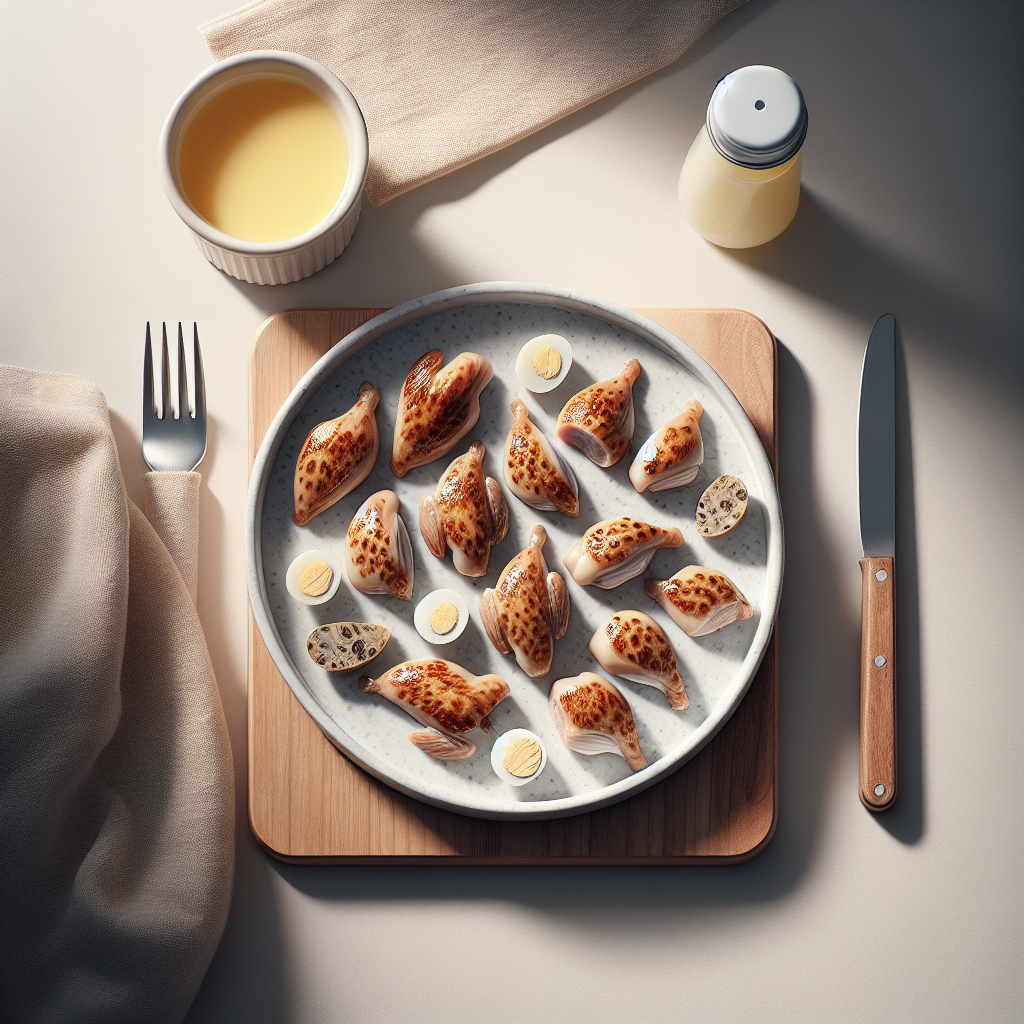
Cook quail breast fully until very tender by poaching, steaming, or braising in a little stock or water. Once cooked, shred the meat finely or slice it into finger-length strips about the size of two adult fingers placed together. You can serve the strips on their own for your baby to grasp and suck on, or mix shredded quail into soft mashes like sweet potato or porridge to add moisture and flavour.
Nutrition highlights
Quail breast is an excellent source of high-quality protein, which supports your baby's growth, muscle development, and immune function. It also provides B vitamins, particularly niacin and B6, which help convert food into energy and support brain development. Additionally, quail contains minerals like selenium and phosphorus, which contribute to healthy cells and bones.
Lower-risk serving reminders
Quail breast has a low choking risk when prepared correctly because its fine, tender texture breaks down easily in the mouth when fully cooked and kept moist. The small size of quail breast also means it cooks quickly and evenly, reducing the likelihood of dry, tough portions that could pose a risk.
Allergen introduction checklist
Quail breast is not considered a common allergen and does not belong to any of the top allergen groups. Poultry allergies are relatively rare, though if your baby has a known allergy to chicken or other birds, introduce quail with caution and consult your healthcare provider.
Common questions
Is quail breast healthier than chicken for babies?
Quail breast and chicken breast are both nutritious protein sources with similar benefits. Quail tends to be slightly higher in certain minerals like iron and phosphorus, but both are excellent choices when prepared safely.
How do I keep quail breast moist for my baby?
Cook quail breast gently using methods like poaching, braising, or roasting with a little liquid, and avoid overcooking. Shredding the meat and mixing it with sauces, yoghurt, or mashed vegetables also helps maintain moisture.
Can I serve quail breast on the bone to my baby?
It is safest to remove all bones before serving quail breast to your baby, as quail bones are small and brittle. Always check thoroughly for any small bones, especially if using bone-in cuts during cooking.
General feeding checklist
- Seat baby upright and stable for all meals.
- Model slow chewing and allow baby to control pace.
- Stop and reset if baby is upset, tired, or over-stuffed.
Readiness signs to check
- Baby can sit upright with minimal support during meals.
- Hands and mouth coordinate for bringing food to the mouth.
- Tongue-thrust reflex is reduced, so food is not immediately pushed out.
- Interest in self-feeding and opening mouth for food cues is visible.
Pause and seek advice if
- Coughing is persistent or distress does not settle quickly during meals.
- You notice repeated vomiting, rash, swelling, wheeze, or breathing changes after a food.
- Baby struggles with swallowing progression over multiple meals despite texture adjustments.
- There is a known medical condition affecting feeding, growth, or airway safety.
Other ages: 9–11 months · 12–24 months