Baby-led weaning · age-specific guide
Prune for 6–8 months
Prunes can be introduced as soon as your baby is ready to start solid foods, which is typically around 6 months of age. These dried plums are naturally soft and easy to mash, making them suitable for early eaters. Because prunes have a mild laxative effect, it's sensible to offer them in small amounts at first to see how your baby's digestive system responds.
How to serve at 6–8 months
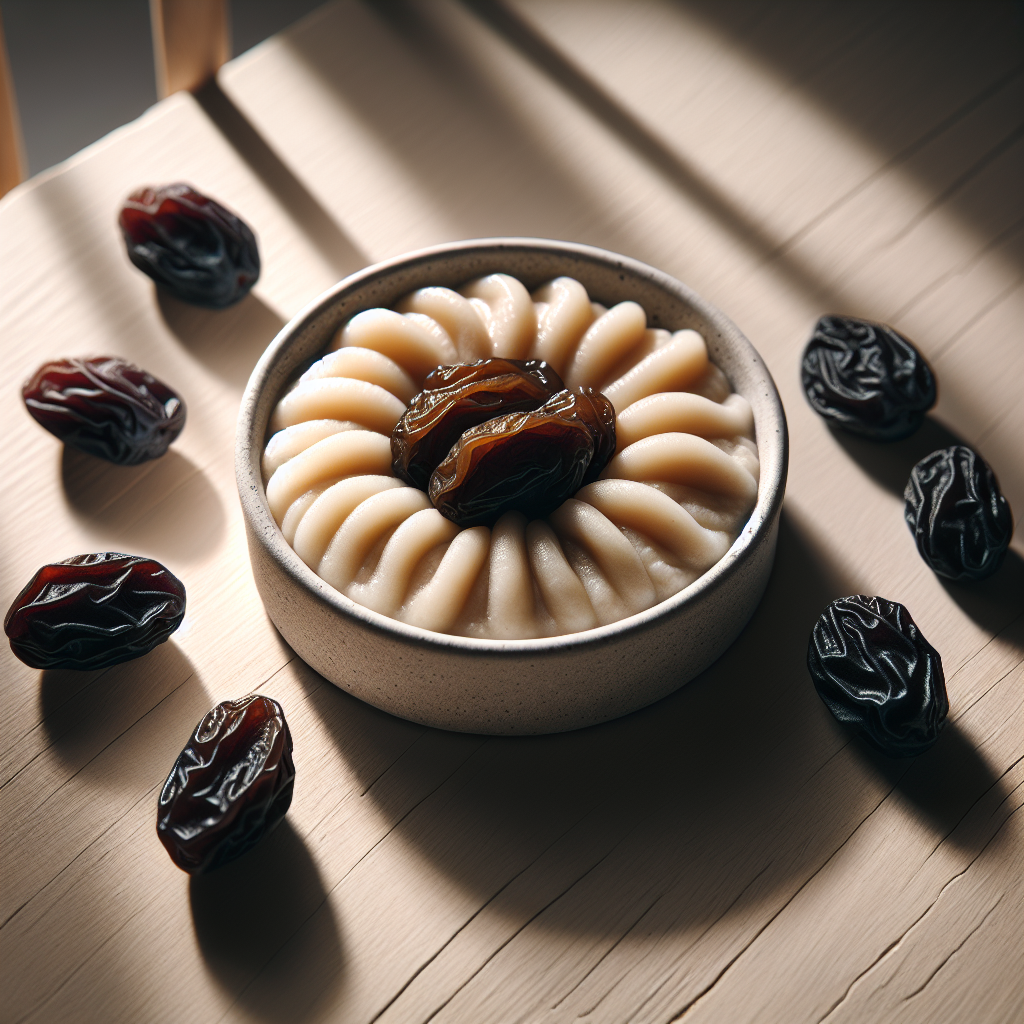
Soak dried prunes in warm water until very soft and rehydrated, then cut them into wide wedges or thick strips about the length and width of two adult fingers placed together. You can also mash or purée prunes and spread them on toast strips, or mix them into porridge or yoghurt. Ensure the prunes are soft enough to squish easily between your thumb and finger before serving.
Nutrition highlights
Prunes are an excellent source of dietary fibre, which supports healthy digestion and can help prevent constipation in babies. They also provide potassium, vitamin K, and beneficial plant compounds called polyphenols that support overall health. Whilst prunes contain naturally occurring sugars, they offer valuable nutrients and can be part of a balanced diet when offered in appropriate portions.
Lower-risk serving reminders
Prunes present a low choking risk when properly prepared because they are naturally soft, moist, and easily mashed between the gums. Their pliable texture breaks down readily in the mouth, though it's important to ensure they're soft enough and cut appropriately for your baby's age and skill level.
Allergen introduction checklist
Prunes are not considered a common allergen and allergic reactions to them are rare. As with any new food, it's sensible to introduce prunes on their own and watch for any signs of sensitivity, though serious reactions are uncommon.
Common questions
Will prunes make my baby's nappies looser?
Prunes have a natural laxative effect due to their fibre and sorbitol content, so they may soften stools or increase bowel movements. Start with small amounts and observe how your baby responds.
Should I remove the skin from prunes?
The skin on soft, rehydrated prunes is generally fine to leave on as it softens during soaking. If the skin seems tough or leathery, you can remove it for younger babies.
Do I need to soak dried prunes before serving?
Yes, dried prunes should be soaked in warm water until they're very soft and plump before offering them to babies. This ensures they're moist, easy to mash, and safe to handle.
General feeding checklist
- Seat baby upright and stable for all meals.
- Model slow chewing and allow baby to control pace.
- Stop and reset if baby is upset, tired, or over-stuffed.
Readiness signs to check
- Baby can sit upright with minimal support during meals.
- Hands and mouth coordinate for bringing food to the mouth.
- Tongue-thrust reflex is reduced, so food is not immediately pushed out.
- Interest in self-feeding and opening mouth for food cues is visible.
Pause and seek advice if
- Coughing is persistent or distress does not settle quickly during meals.
- You notice repeated vomiting, rash, swelling, wheeze, or breathing changes after a food.
- Baby struggles with swallowing progression over multiple meals despite texture adjustments.
- There is a known medical condition affecting feeding, growth, or airway safety.
Other ages: 9–11 months · 12–24 months