Baby-led weaning · age-specific guide
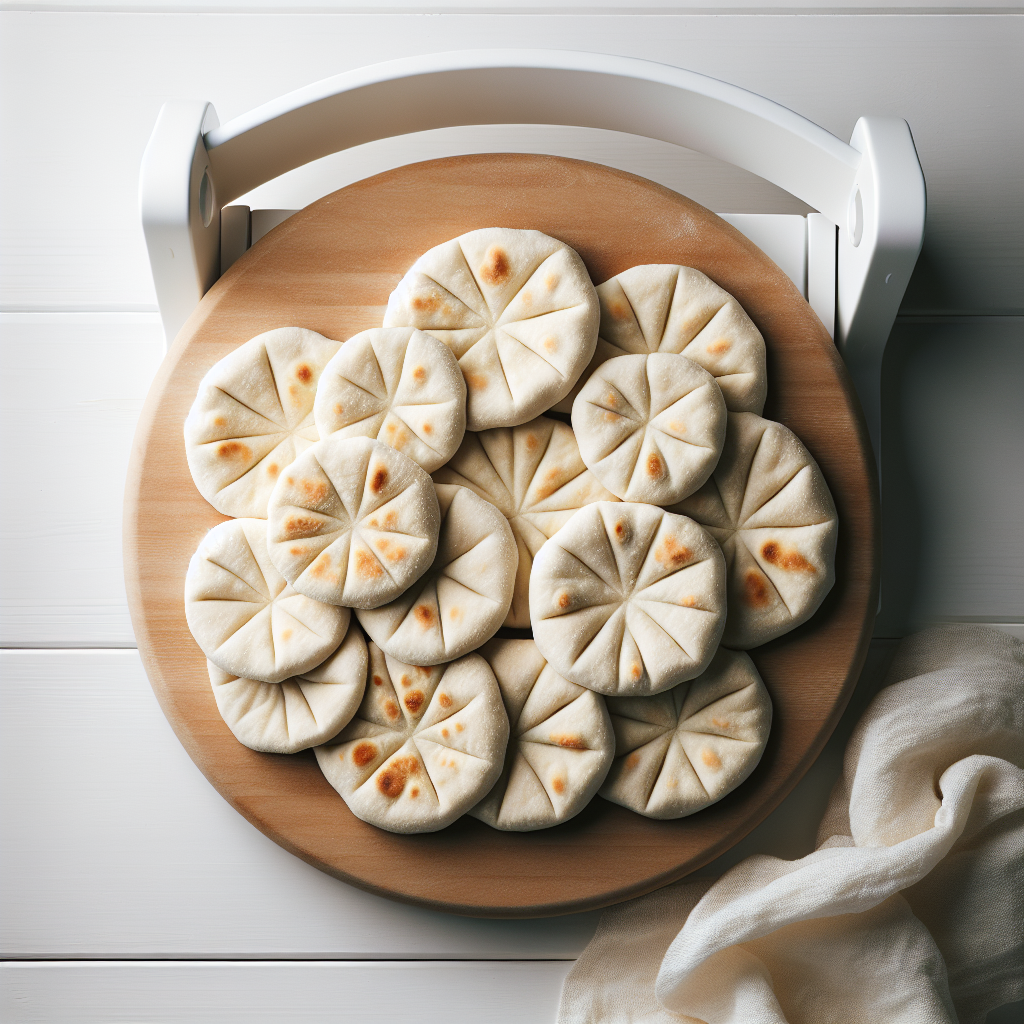
Pita bread soft for 6–8 months
Soft pita bread may be introduced as soon as your baby is ready to start solids, which is typically around 6 months of age. As pita contains wheat, a common allergen, it's important to introduce it carefully and watch for any signs of an allergic reaction. Soft pita can be a convenient vehicle for other foods and is often easier for babies to manage than crusty or chewy breads.
How to serve at 6–8 months
Offer soft pita bread in strips about the length and width of two adult fingers placed together, so your baby can grasp it with a fist and gnaw on the end. You can also fold or roll a soft pita strip around a filling like hummus or mashed avocado to add moisture and nutrients. Avoid any dried-out or stiff pita, as softer textures are easier for beginners to manage.
Nutrition highlights
Soft pita bread provides carbohydrates for energy and contains some protein to support growth and development. Wholegrains varieties offer additional B vitamins and fibre, which support digestive health. While pita is a useful energy source, it's best paired with nutrient-dense foods like hummus, avocado, or nut butters to create a more balanced meal.
Lower-risk serving reminders
Soft pita bread has a low choking risk because it becomes soft and pasty when mixed with saliva, making it easier for babies to manage and swallow. Its pliable texture also breaks down easily in the mouth without forming hard, dry pieces that could pose a hazard.
Allergen information
Pita bread contains wheat, which is one of the top allergens. To introduce wheat, offer a small amount at first and watch for signs of an allergic reaction, which may include hives, swelling, vomiting, or difficulty breathing.
Wheat / gluten
Common questions
Can I give my 6-month-old pita bread straight from the packet?
Yes, as long as the pita is soft and pliable. Avoid any that have dried out or become stiff, as these can be harder for young babies to manage.
Should I toast pita bread for my baby?
Light toasting is fine for older babies from 12 months, but for younger babies it's best to offer soft, untoasted pita as it breaks down more easily in the mouth.
What can I spread on pita bread for my baby?
Soft spreads like hummus, mashed avocado, cream cheese, or nut or seed butters (thinly spread) work well and add nutrients and healthy fats to support your baby's development.
General feeding checklist
- Seat baby upright and stable for all meals.
- Model slow chewing and allow baby to control pace.
- Stop and reset if baby is upset, tired, or over-stuffed.
Readiness signs to check
- Baby can sit upright with minimal support during meals.
- Hands and mouth coordinate for bringing food to the mouth.
- Tongue-thrust reflex is reduced, so food is not immediately pushed out.
- Interest in self-feeding and opening mouth for food cues is visible.
Pause and seek advice if
- Coughing is persistent or distress does not settle quickly during meals.
- You notice repeated vomiting, rash, swelling, wheeze, or breathing changes after a food.
- Baby struggles with swallowing progression over multiple meals despite texture adjustments.
- There is a known medical condition affecting feeding, growth, or airway safety.
Other ages: 9–11 months · 12–24 months