Baby-led weaning · age-specific guide
Pecorino trace for 12–24 months
Pecorino can be introduced as soon as your baby is ready to start solids, which is typically around 6 months of age. As a hard, aged cheese made from sheep's milk, pecorino contains dairy, which is a common allergen, so introduce it carefully and watch for signs of an allergic reaction. Choose full-fat pecorino and opt for varieties labelled as lower in salt when possible, as traditional pecorino can be quite salty.
How to serve at 12–24 months
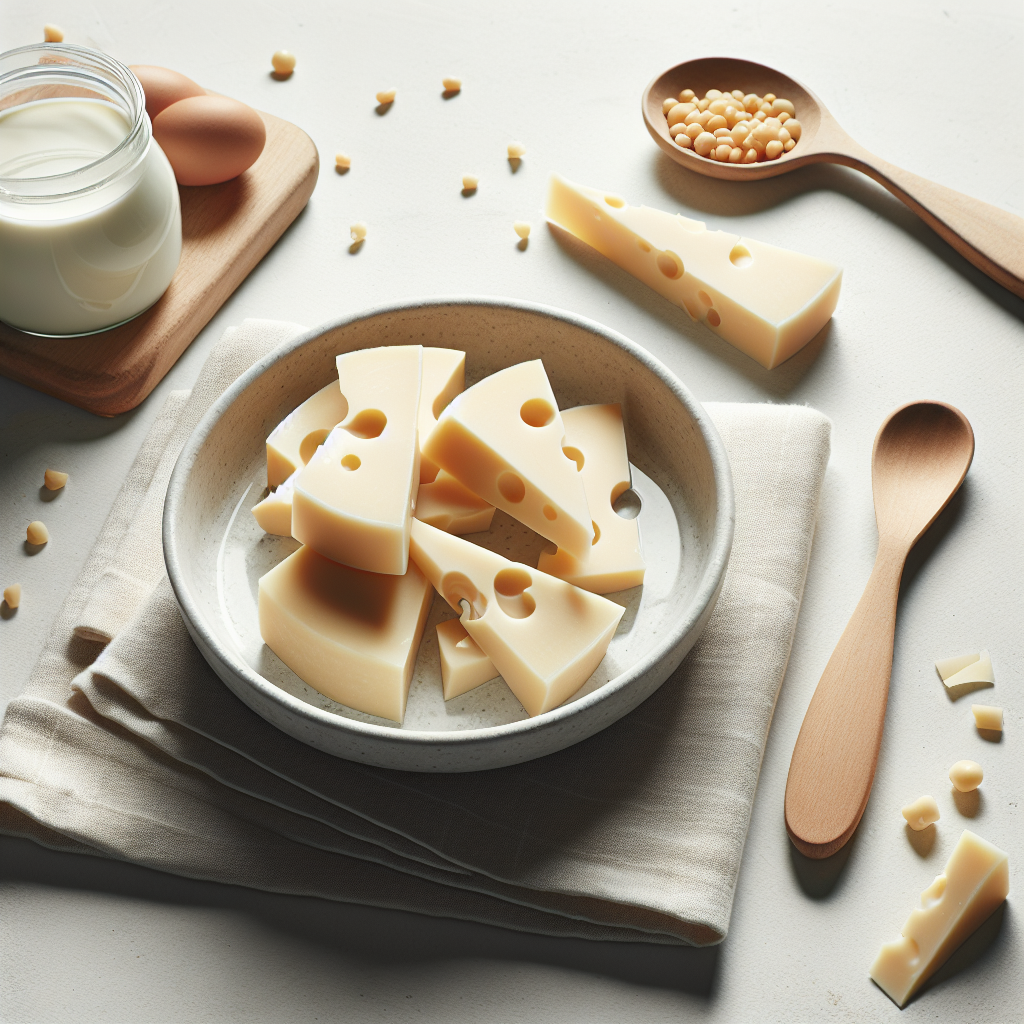
Toddlers aged 12 to 24 months can enjoy pecorino grated over family meals such as pasta, soups, and grain bowls, or served in very small, soft cubes if the cheese is not too hard or crumbly. You can also offer pecorino alongside other foods on a plate, allowing your toddler to explore the flavour and texture independently. Continue to be mindful of portion sizes, as pecorino remains high in salt.
Nutrition highlights
Pecorino is rich in protein, which supports your baby's growth and development, and provides calcium for building strong bones and teeth. It also contains fat-soluble vitamins such as vitamin A and vitamin B12, which are important for vision, immune function, and healthy brain development. However, pecorino is high in sodium, so offer it in small amounts and balance it with lower-salt foods throughout the day.
Lower-risk serving reminders
Pecorino has a low choking risk when served appropriately because it can be grated finely, shaved into thin strips, or melted onto other foods, which makes it easy for babies to manage. Hard aged cheeses like pecorino also tend to dissolve somewhat with saliva, rather than forming a firm chunk that could obstruct the airway.
Allergen information
Pecorino is made from sheep's milk and contains dairy, which is one of the most common food allergens in infants. When introducing pecorino for the first time, watch for signs of a cow's milk protein allergy or intolerance, such as hives, vomiting, diarrhoea, or eczema, and note that some babies with cow's milk allergy may also react to sheep's milk.
Milk (dairy)
Common questions
Is pecorino too salty for babies?
Traditional pecorino is quite high in sodium, so offer it in small amounts and choose the mildest, least aged varieties when possible. Balance salty foods like pecorino with plenty of lower-sodium options throughout the day.
Can I give pecorino to a baby with a cow's milk allergy?
Pecorino is made from sheep's milk, not cow's milk, but some babies with cow's milk protein allergy may also react to sheep's milk proteins. Speak with your GP or allergist before introducing pecorino if your baby has a confirmed cow's milk allergy.
What's the difference between pecorino and parmesan for babies?
Both are hard, aged cheeses that can be served grated or shaved, but pecorino is made from sheep's milk while parmesan is made from cow's milk. Pecorino tends to be saltier and sharper in flavour, so use it sparingly.
General feeding checklist
- Seat baby upright and stable for all meals.
- Model slow chewing and allow baby to control pace.
- Stop and reset if baby is upset, tired, or over-stuffed.
Readiness signs to check
- Baby can sit upright with minimal support during meals.
- Hands and mouth coordinate for bringing food to the mouth.
- Tongue-thrust reflex is reduced, so food is not immediately pushed out.
- Interest in self-feeding and opening mouth for food cues is visible.
Pause and seek advice if
- Coughing is persistent or distress does not settle quickly during meals.
- You notice repeated vomiting, rash, swelling, wheeze, or breathing changes after a food.
- Baby struggles with swallowing progression over multiple meals despite texture adjustments.
- There is a known medical condition affecting feeding, growth, or airway safety.
Other ages: 6–8 months · 9–11 months