Baby-led weaning · age-specific guide
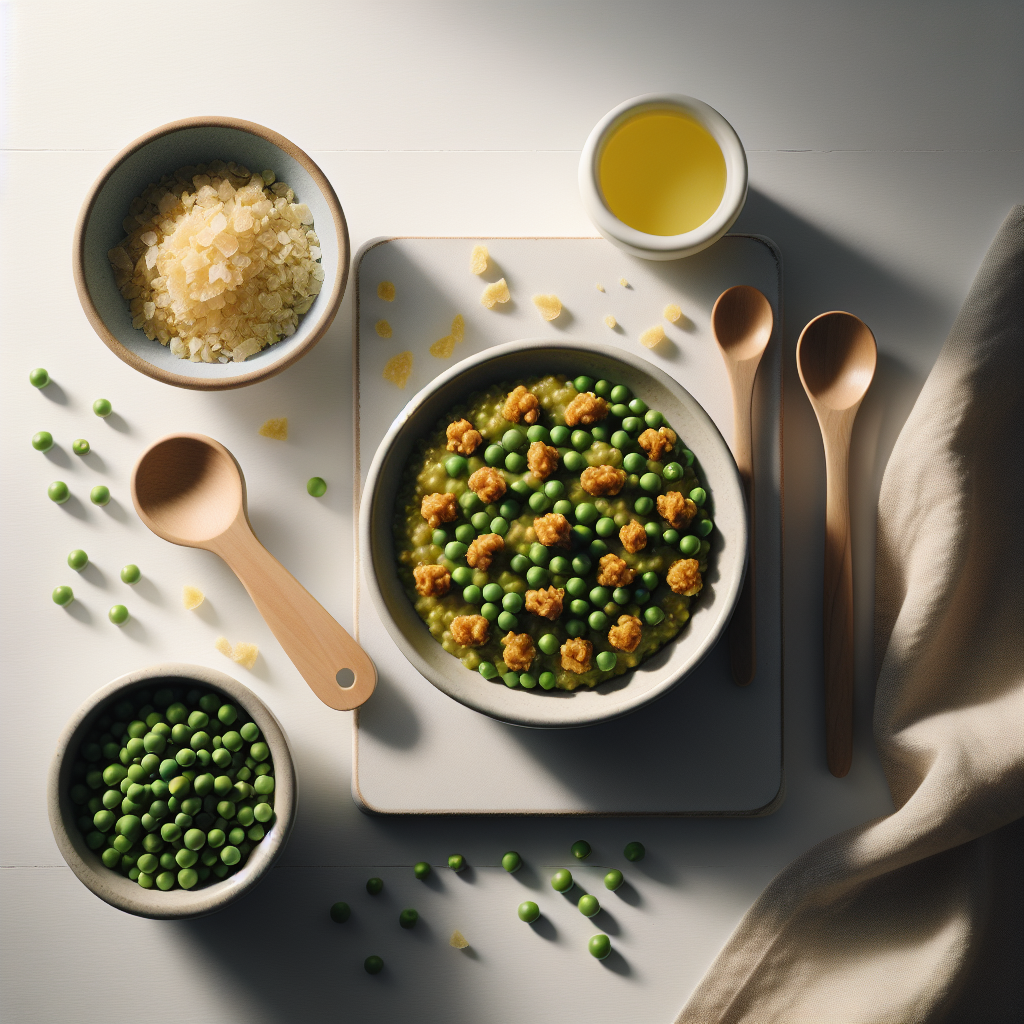
Pea split dhal for 9–11 months
Pea split dhal may be introduced as soon as your baby is ready to start solid foods, which is generally around 6 months of age. Split peas are naturally soft when cooked and blend into a smooth, easily swallowable texture, making them a gentle choice for early eaters. As with all new foods, offer a small amount at first and watch how your baby responds.
How to serve at 9–11 months
Continue to offer pea split dhal as a thick, scoopable purée that your baby can gather with their hands or practise with a spoon. You can also use the dhal as a filling for soft, palm-sized patties or mix it into mashed potato or rice to add texture and nutrition. As your baby's pincer grasp develops, they may enjoy dipping soft finger foods like toast soldiers into the dhal.
Nutrition highlights
Pea split dhal is an excellent source of plant-based protein and iron, both of which support healthy growth and development in babies. It also provides fibre to support digestion, as well as B vitamins including folate. The iron in split peas is better absorbed when paired with vitamin C-rich foods like tomatoes or peppers, making dhal a nourishing addition to your baby's diet.
Lower-risk serving reminders
Pea split dhal has a low choking risk because split peas break down completely when cooked, creating a soft, smooth purée or thick porridge-like consistency. Unlike whole peas or beans, there are no skins or firm pieces to navigate, which makes this preparation very safe for babies learning to eat.
Allergen introduction checklist
Peas and lentils are not common allergens and are generally well tolerated by babies. While allergic reactions to legumes are rare, it is still possible, so watch for signs such as hives, swelling, vomiting, or difficulty breathing after introducing any new food.
Common questions
Do I need to soak split peas before making dhal for my baby?
Split peas do not require soaking and cook relatively quickly compared to whole pulses. Rinsing them before cooking is sufficient.
Can I freeze pea split dhal for my baby?
Yes, pea split dhal freezes very well. Portion it into ice cube trays or small containers and freeze for up to three months, then defrost and reheat thoroughly before serving.
Should I add salt or spices to dhal for my baby?
Avoid adding salt to dhal for babies under 12 months. Mild spices like cumin, coriander, or turmeric can be introduced in small amounts and may help develop your baby's palate.
General feeding checklist
- Seat baby upright and stable for all meals.
- Model slow chewing and allow baby to control pace.
- Stop and reset if baby is upset, tired, or over-stuffed.
Readiness signs to check
- Baby can sit upright with minimal support during meals.
- Hands and mouth coordinate for bringing food to the mouth.
- Tongue-thrust reflex is reduced, so food is not immediately pushed out.
- Interest in self-feeding and opening mouth for food cues is visible.
Pause and seek advice if
- Coughing is persistent or distress does not settle quickly during meals.
- You notice repeated vomiting, rash, swelling, wheeze, or breathing changes after a food.
- Baby struggles with swallowing progression over multiple meals despite texture adjustments.
- There is a known medical condition affecting feeding, growth, or airway safety.
Other ages: 6–8 months · 12–24 months