Baby-led weaning · age-specific guide
Passion fruit for 6–8 months
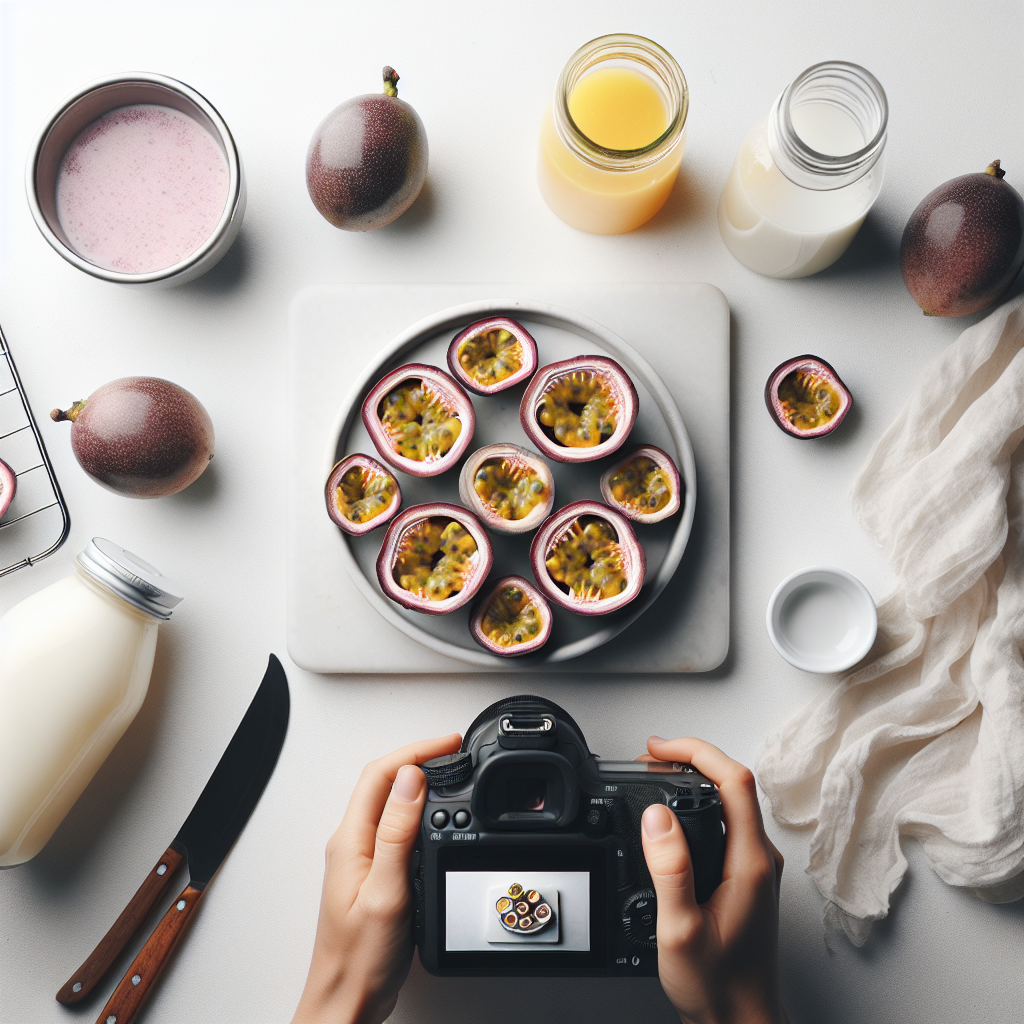
Passion fruit may be introduced as soon as your baby is ready to start solids, which is generally around 6 months of age. Choose very ripe fruit with soft, sweet pulp and avoid serving the hard seeds whole to young babies, as they can be a choking hazard if not broken down. Always supervise mealtimes and ensure your baby is seated upright.
How to serve at 6–8 months
Choose very ripe passion fruit with soft, sweet pulp. Halve the fruit and scoop out the pulp and seeds, then serve it on a preloaded spoon for your baby to suck and lick, or spread it on a piece of soft toast cut into wide strips for easier gripping. You can also mix the pulp into plain yoghurt or porridge to introduce the flavour whilst managing the seeds.
Nutrition highlights
Passion fruit is rich in vitamin C, which supports immune function and helps with iron absorption from other foods. It also provides dietary fibre, which aids healthy digestion, and small amounts of vitamin A, which supports vision and skin health. The fruit's natural sweetness and vibrant flavour can help introduce babies to a wide range of tastes.
Lower-risk serving reminders
Passion fruit has a low choking risk when the pulp is served soft and ripe, as it is naturally slippery and easy to mash with the gums. The seeds are small and typically soft enough to pass through safely, though very young babies may struggle to manage them if served whole.
Allergen introduction checklist
Passion fruit is not a common allergen and is generally well tolerated by most babies. As with any new food, introduce it on its own for the first few servings and watch for any signs of an adverse reaction, such as a rash or digestive upset.
Common questions
Can babies eat passion fruit seeds?
Yes, babies can eat passion fruit seeds once they are soft and ripe, as they are small enough to pass through safely. Very young babies may spit them out or struggle to manage them at first, which is perfectly normal.
How do I know when passion fruit is ripe enough for my baby?
Ripe passion fruit has wrinkled, dimpled skin and the pulp inside is soft, juicy, and sweet rather than tart. If the fruit is still firm or the pulp tastes very acidic, allow it to ripen further at room temperature.
Can I serve passion fruit skin to my baby?
No, the skin of passion fruit is tough, bitter, and not suitable for babies to eat. Always scoop out the soft pulp and seeds, discarding the outer shell.
General feeding checklist
- Seat baby upright and stable for all meals.
- Model slow chewing and allow baby to control pace.
- Stop and reset if baby is upset, tired, or over-stuffed.
Readiness signs to check
- Baby can sit upright with minimal support during meals.
- Hands and mouth coordinate for bringing food to the mouth.
- Tongue-thrust reflex is reduced, so food is not immediately pushed out.
- Interest in self-feeding and opening mouth for food cues is visible.
Pause and seek advice if
- Coughing is persistent or distress does not settle quickly during meals.
- You notice repeated vomiting, rash, swelling, wheeze, or breathing changes after a food.
- Baby struggles with swallowing progression over multiple meals despite texture adjustments.
- There is a known medical condition affecting feeding, growth, or airway safety.
Other ages: 9–11 months · 12–24 months