Baby-led weaning · age-specific guide
Papaya for 9–11 months
Papaya can be introduced as soon as your baby is ready to start solid foods, which is typically around 6 months of age. As with all foods, ensure your baby is showing signs of readiness such as sitting independently and bringing objects to their mouth. Papaya's naturally soft texture makes it a wonderful early food for babies learning to eat.
How to serve at 9–11 months
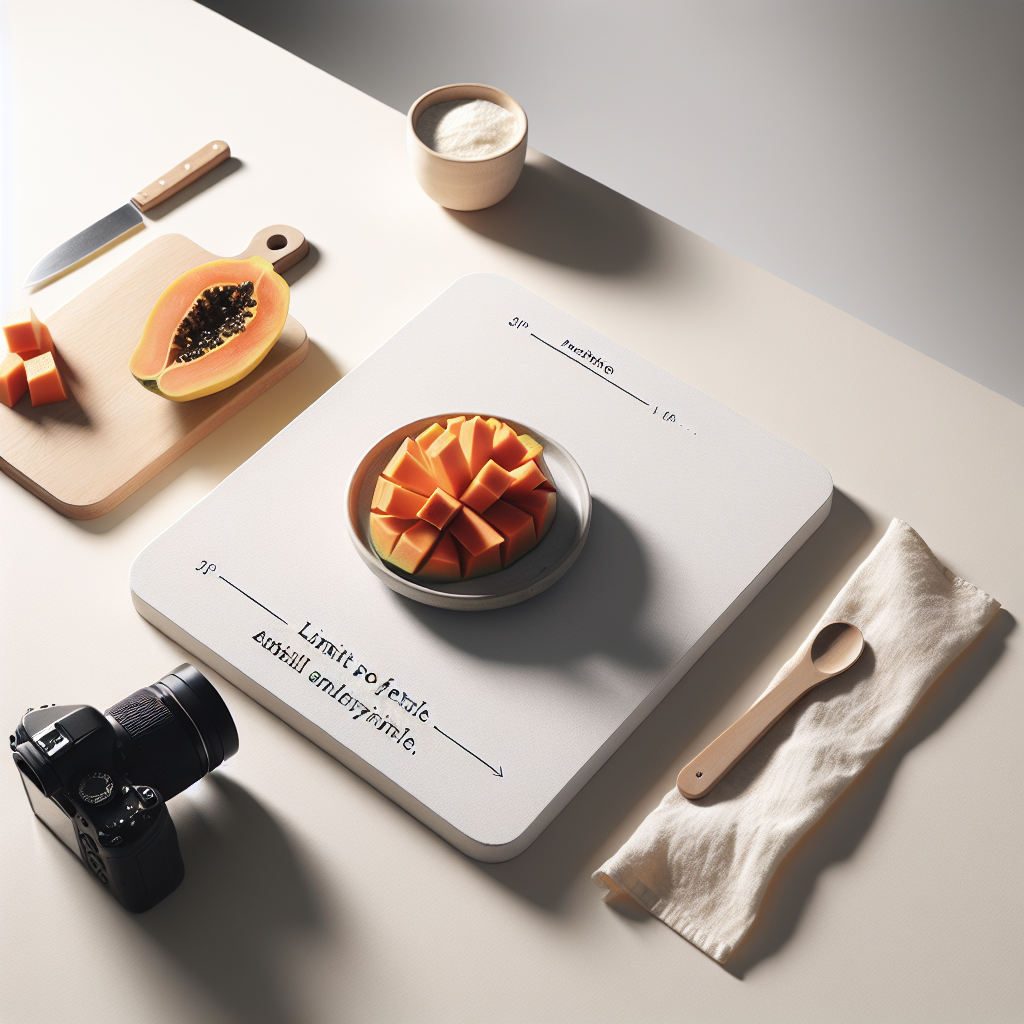
As your baby develops their pincer grasp, you can offer ripe papaya cut into soft strips or bite-sized pieces that are easy to pick up. The pieces should still be very soft and easy to mash between fingers. You can continue offering larger pieces if your baby prefers to hold and bite from a larger portion.
Nutrition highlights
Papaya is an excellent source of vitamin C, which supports immune function and helps your baby's body absorb iron from other foods. It also provides vitamin A for healthy vision and skin development, as well as folate for cell growth. The fruit contains digestive enzymes and fibre that support healthy digestion in your little one.
Lower-risk serving reminders
Ripe papaya has a low choking risk because it is naturally soft and breaks down easily in the mouth when fully ripe. The flesh becomes slippery when very ripe, so offering it in appropriately sized pieces that babies can grasp helps them manage it safely.
Allergen introduction checklist
Papaya is not a common allergen and reactions are rare. As with any new food, introduce papaya on its own and watch for any signs of an adverse reaction such as rash, digestive upset, or changes in behaviour.
Common questions
How do I know when papaya is ripe enough for my baby?
A ripe papaya should yield to gentle pressure, have a sweet aroma, and the flesh should be very soft and easily pierced with a spoon. The skin will turn from green to yellow or orange depending on the variety.
Should I remove papaya seeds before serving to my baby?
Yes, always remove all the seeds from papaya before offering it to your baby as they are not pleasant to eat and could present a choking risk.
Can I serve papaya with the skin on?
For younger babies, it's best to remove the skin if it's tough, though a small piece of skin left on can help provide grip for little hands. As your baby grows and develops more advanced eating skills, they'll learn to eat around the skin.
General feeding checklist
- Seat baby upright and stable for all meals.
- Model slow chewing and allow baby to control pace.
- Stop and reset if baby is upset, tired, or over-stuffed.
Readiness signs to check
- Baby can sit upright with minimal support during meals.
- Hands and mouth coordinate for bringing food to the mouth.
- Tongue-thrust reflex is reduced, so food is not immediately pushed out.
- Interest in self-feeding and opening mouth for food cues is visible.
Pause and seek advice if
- Coughing is persistent or distress does not settle quickly during meals.
- You notice repeated vomiting, rash, swelling, wheeze, or breathing changes after a food.
- Baby struggles with swallowing progression over multiple meals despite texture adjustments.
- There is a known medical condition affecting feeding, growth, or airway safety.
Other ages: 6–8 months · 12–24 months