Baby-led weaning · age-specific guide
Pancake strip for 12–24 months
Pancake strips can be introduced as soon as your baby is ready to start solid foods, which is typically around 6 months of age. They make an excellent finger food for baby-led weaning, as they are easy for small hands to grasp and soft enough for gums to manage. Always ensure pancakes are cooked through and served at an appropriate temperature.
How to serve at 12–24 months
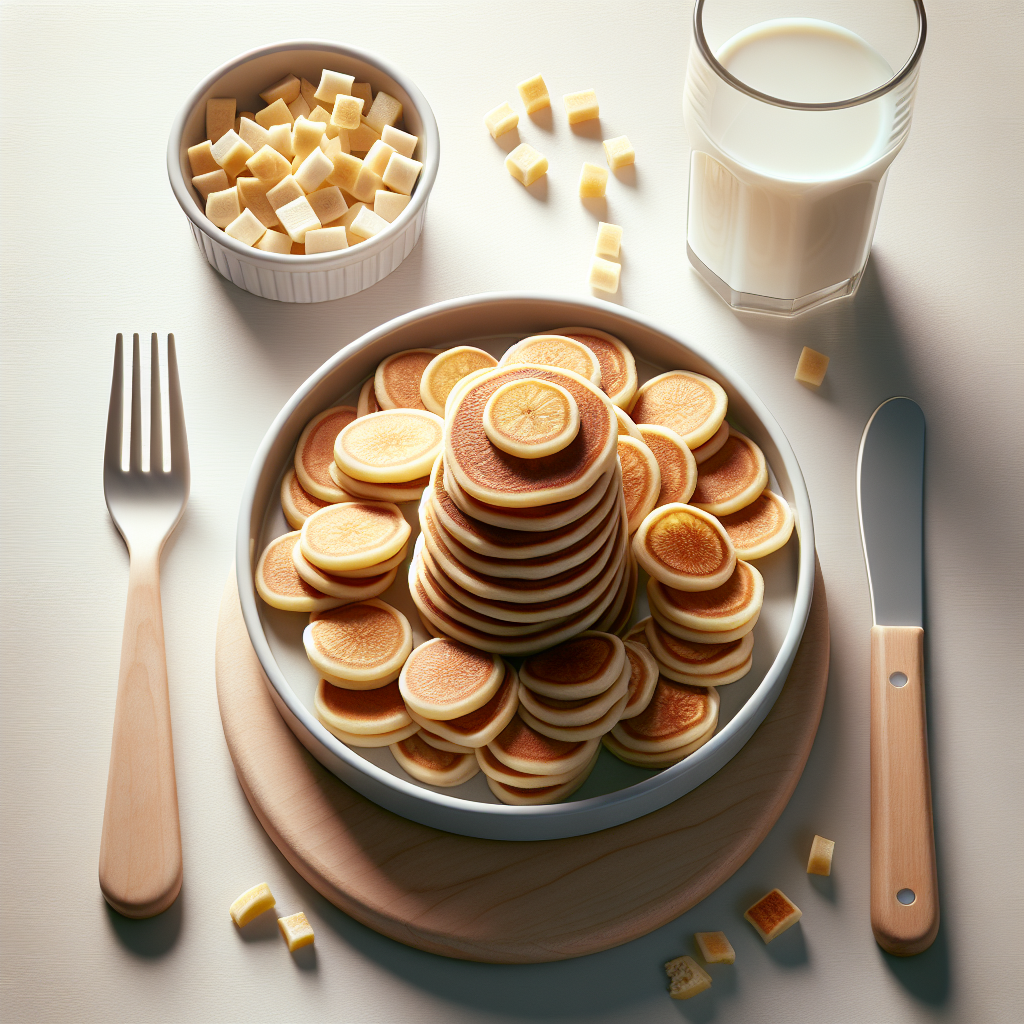
Toddlers can manage bite-sized pieces of pancake or even whole small pancakes, depending on their chewing ability. You can offer pancakes with a variety of toppings like mashed fruit, nut butter, or ricotta cheese, and let your child practise using a fork to pierce the pieces. Pancakes can also be lightly toasted for a slightly firmer texture if your toddler prefers it.
Nutrition highlights
Pancakes provide carbohydrates for energy and can contribute some protein and B vitamins, especially if made with whole grain flour and eggs. They are not particularly nutrient-dense on their own, but can be enhanced by adding mashed fruit, ground seeds, or nut butters to the batter. Pancakes work well as a vehicle for other nutritious toppings like yogurt, avocado, or nut butters.
Lower-risk serving reminders
Pancake strips have a low choking risk because they are soft, moist, and easy to break down with gumming or chewing. The tender texture becomes even softer when mixed with saliva, making it manageable for babies who are just learning to eat.
Allergen introduction checklist
Pancakes typically contain common allergens including wheat, egg, and milk, so whilst the plain strip itself may not contain allergens, the recipe used to make it often will. If your baby has not yet been introduced to these foods, offer pancakes made with these ingredients individually first and watch for signs of an allergic reaction.
Common questions
Can I give my 6-month-old pancakes?
Yes, pancakes can be offered from 6 months as long as they are soft, fully cooked, and cut into strips that are easy for your baby to hold and self-feed.
How do I make pancakes safer for baby-led weaning?
Keep pancakes soft and moist by avoiding overcooking, and cut them into strips about the length of your baby's fist so they can grip them easily with part sticking out of their hand.
Should I add sugar to pancakes for my baby?
It's best to avoid adding sugar to pancakes for babies, as they don't need added sweetness and it's beneficial to let them experience foods without excess sugar from an early age.
General feeding checklist
- Seat baby upright and stable for all meals.
- Model slow chewing and allow baby to control pace.
- Stop and reset if baby is upset, tired, or over-stuffed.
Readiness signs to check
- Baby can sit upright with minimal support during meals.
- Hands and mouth coordinate for bringing food to the mouth.
- Tongue-thrust reflex is reduced, so food is not immediately pushed out.
- Interest in self-feeding and opening mouth for food cues is visible.
Pause and seek advice if
- Coughing is persistent or distress does not settle quickly during meals.
- You notice repeated vomiting, rash, swelling, wheeze, or breathing changes after a food.
- Baby struggles with swallowing progression over multiple meals despite texture adjustments.
- There is a known medical condition affecting feeding, growth, or airway safety.
Other ages: 6–8 months · 9–11 months