Baby-led weaning · age-specific guide
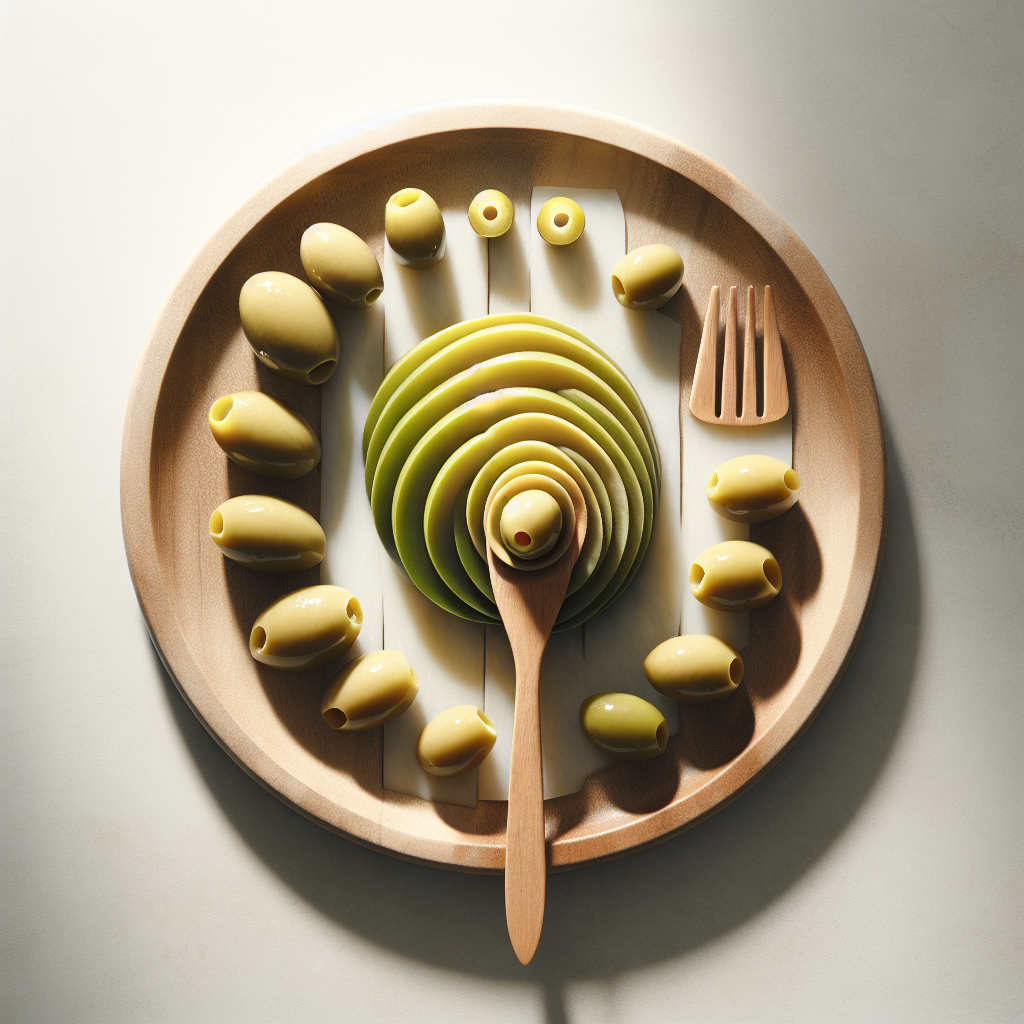
Olive sliced for 6–8 months
Babies can be introduced to sliced olives from around six months of age, as soon as they are ready to start solid foods. Olives are quite salty, so it's important to choose varieties that are low in sodium or rinse them well under running water before serving. Always ensure the olives are pitted and prepared appropriately for your baby's age and developmental stage.
How to serve at 6–8 months
Offer thinly sliced or quartered olives that have been pitted and rinsed well to reduce sodium. The slices should be soft enough to squash easily between your fingers and laid flat on the tray or high chair for baby to grasp. You can serve them alongside other finger foods or mix them into soft grain dishes like couscous or rice.
Nutrition highlights
Olives provide healthy monounsaturated fats, which support brain development and help babies absorb fat-soluble vitamins. They also contain small amounts of vitamin E, an antioxidant that supports immune health. However, olives are naturally high in sodium, so it's best to offer them in moderation and choose lower-salt options when possible.
Lower-risk serving reminders
Sliced olives present a low choking risk when prepared correctly, as they are soft and can be easily squashed between the gums. Their flat, sliced shape and moist texture make them easier to manage in the mouth than whole or round pieces.
Allergen introduction checklist
Olives are not considered a common allergen and do not feature in the top allergen groups. Reactions to olives are rare, though sensitivity to certain preservatives or additives in processed olives is possible.
Common questions
Do I need to rinse olives before giving them to my baby?
Yes, it's a good idea to rinse olives under running water to reduce their sodium content, as many shop-bought varieties are preserved in brine and can be quite salty.
Can babies have black and green olives?
Yes, babies can have both black and green olives from six months, though black olives tend to be milder in flavour and slightly softer in texture.
How do I make sure olives are safe for my baby?
Always choose pitted olives, check carefully for any remaining stones or pits, and slice them thinly or chop them to avoid round shapes that could pose a choking risk.
General feeding checklist
- Seat baby upright and stable for all meals.
- Model slow chewing and allow baby to control pace.
- Stop and reset if baby is upset, tired, or over-stuffed.
Readiness signs to check
- Baby can sit upright with minimal support during meals.
- Hands and mouth coordinate for bringing food to the mouth.
- Tongue-thrust reflex is reduced, so food is not immediately pushed out.
- Interest in self-feeding and opening mouth for food cues is visible.
Pause and seek advice if
- Coughing is persistent or distress does not settle quickly during meals.
- You notice repeated vomiting, rash, swelling, wheeze, or breathing changes after a food.
- Baby struggles with swallowing progression over multiple meals despite texture adjustments.
- There is a known medical condition affecting feeding, growth, or airway safety.
Other ages: 9–11 months · 12–24 months