Baby-led weaning · age-specific guide
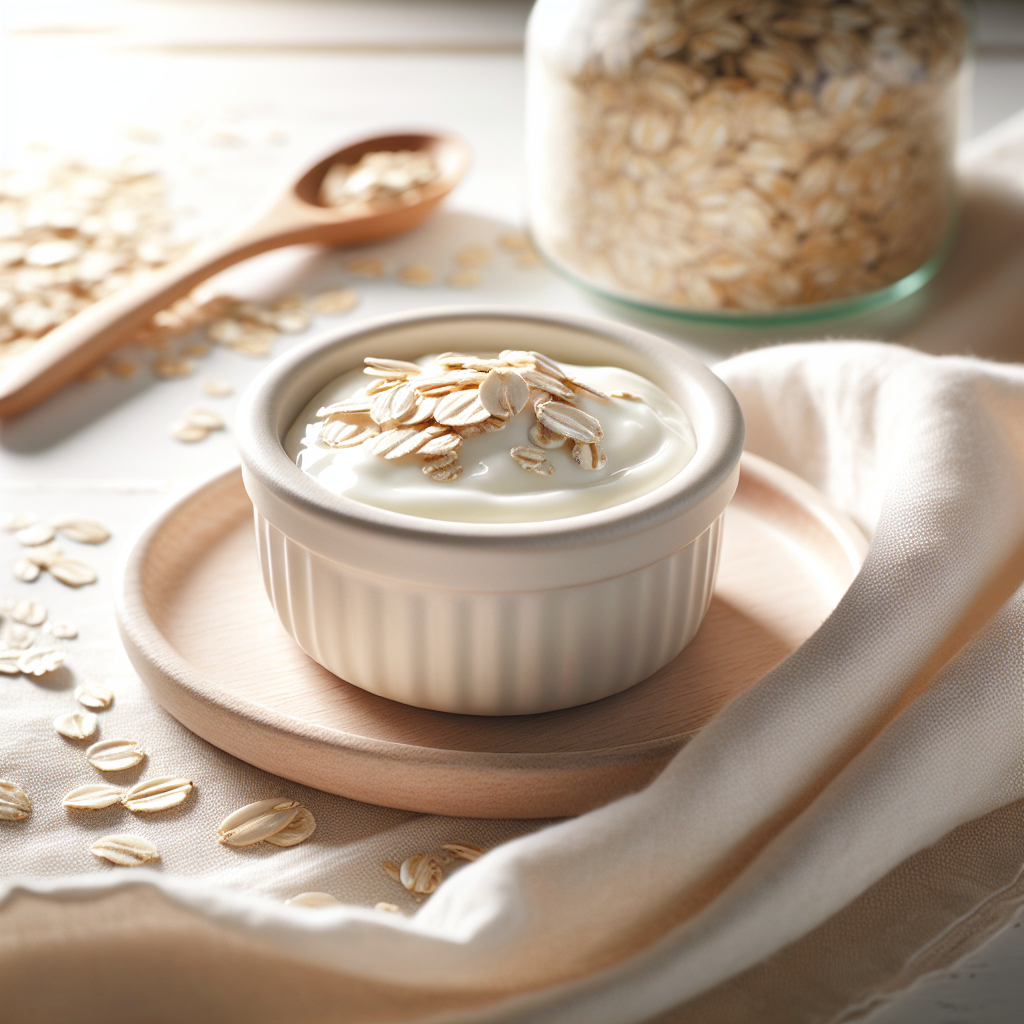
Oat yogurt for 12–24 months
Oat yogurt may be introduced as soon as your baby is ready to start solid foods, which is generally around 6 months of age. Choose unsweetened, plain oat yogurt to avoid added sugars and unnecessary sweeteners. If your baby has a cow's milk allergy or you are following a plant-based diet, oat yogurt can be a useful dairy-free alternative, though it typically contains less protein and fat than dairy yogurt.
How to serve at 12–24 months
Serve oat yogurt as part of meals and snacks, either on its own or mixed with chopped fruit, oats, or ground flaxseed for added texture and nutrition. Continue to use it as a dip for vegetables, crackers, or strips of toast. Encourage self-feeding with a spoon as your toddler refines their utensil skills and begins eating more independently.
Nutrition highlights
Oat yogurt provides beneficial probiotics that support digestive health and a developing gut microbiome. Many oat yogurts are fortified with calcium and vitamin D, which are important for bone development. However, compared to dairy yogurt, oat yogurt is typically lower in protein and fat, so it is helpful to balance your baby's diet with other protein and fat sources throughout the day.
Lower-risk serving reminders
Oat yogurt has a low choking risk because of its smooth, creamy texture that is easy for babies to swallow. Its consistency does not require chewing, making it a safe option for early eaters.
Allergen information
Oat yogurt itself is not a common allergen, though some commercially available oat yogurts may contain added dairy or other allergens, so always check the label. Oats are generally well-tolerated, but in rare cases may cause sensitivity in babies with certain digestive conditions.
Milk (dairy)
Common questions
Is oat yogurt as nutritious as dairy yogurt for babies?
Oat yogurt is lower in protein and fat than dairy yogurt, but many brands are fortified with calcium and vitamin D. If you offer oat yogurt regularly, ensure your baby gets protein and healthy fats from other foods throughout the day.
Can I use oat yogurt if my baby has a cow's milk allergy?
Yes, oat yogurt is naturally dairy-free and can be a suitable alternative for babies with a cow's milk allergy. Always check labels to ensure the product does not contain added dairy ingredients.
Should I choose sweetened or unsweetened oat yogurt?
Always choose plain, unsweetened oat yogurt to avoid exposing your baby to unnecessary added sugars. You can flavour it naturally at home with mashed fruit or a pinch of cinnamon if desired.
General feeding checklist
- Seat baby upright and stable for all meals.
- Model slow chewing and allow baby to control pace.
- Stop and reset if baby is upset, tired, or over-stuffed.
Readiness signs to check
- Baby can sit upright with minimal support during meals.
- Hands and mouth coordinate for bringing food to the mouth.
- Tongue-thrust reflex is reduced, so food is not immediately pushed out.
- Interest in self-feeding and opening mouth for food cues is visible.
Pause and seek advice if
- Coughing is persistent or distress does not settle quickly during meals.
- You notice repeated vomiting, rash, swelling, wheeze, or breathing changes after a food.
- Baby struggles with swallowing progression over multiple meals despite texture adjustments.
- There is a known medical condition affecting feeding, growth, or airway safety.
Other ages: 6–8 months · 9–11 months