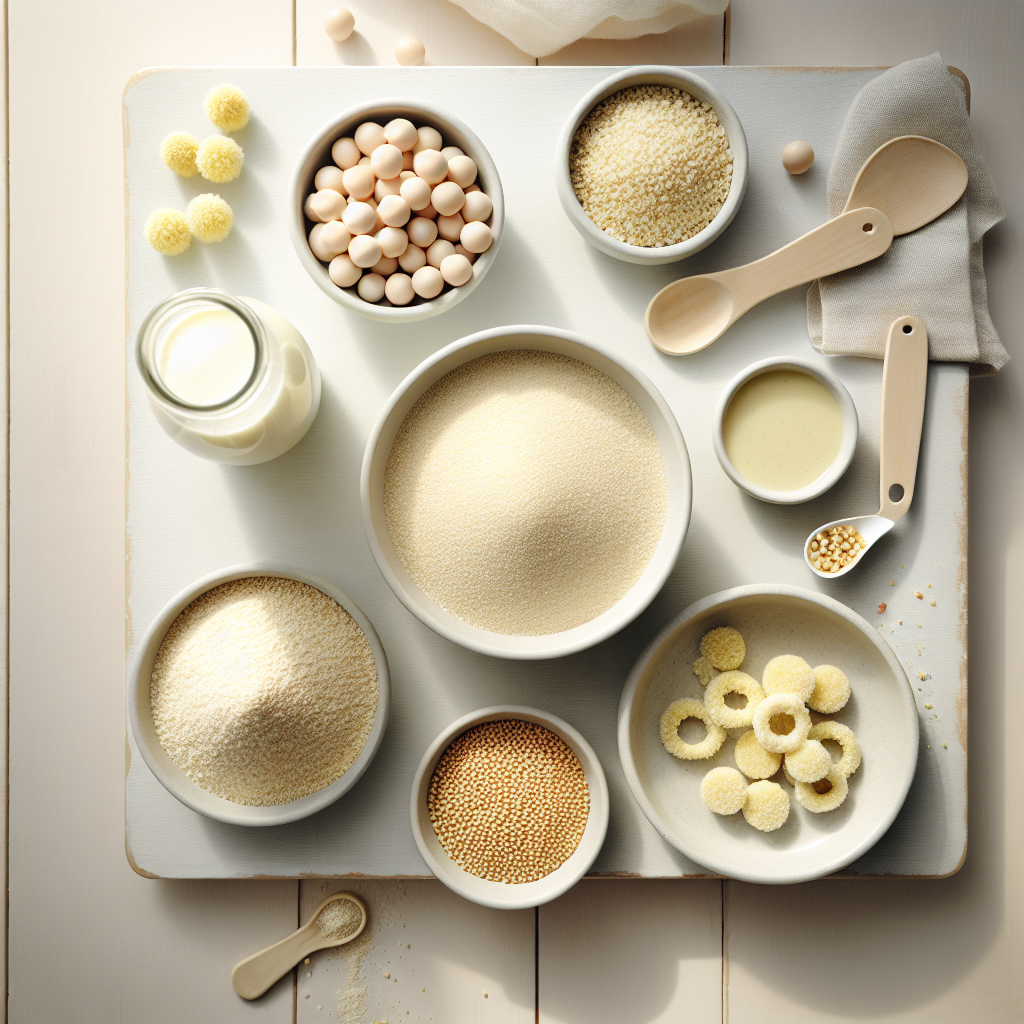
Baby-led weaning · age-specific guide
Nutritional yeast sprinkle for 12–24 months
Nutritional yeast sprinkle can be introduced from 6 months of age, as soon as your baby is ready to start solid foods. This fine, powdery seasoning is easy for babies to consume when mixed into other foods or sprinkled over soft textures. Because it dissolves easily and doesn't pose a physical hazard, it's a suitable addition to early meals.
How to serve at 12–24 months
Sprinkle nutritional yeast over a wider variety of family foods such as rice, couscous, roasted potatoes, or steamed broccoli. You can use up to half a teaspoon per serving, adjusting to your child's taste preferences. It also works well stirred into sauces, soups, or spreads like hummus for added depth of flavour.
Nutrition highlights
Nutritional yeast is rich in B vitamins, including B12 when fortified, which support energy metabolism and nervous system development. It also provides protein, fibre, and minerals such as zinc and selenium, which contribute to immune function and growth. The savoury, umami flavour can help introduce babies to more complex tastes without added salt.
Lower-risk serving reminders
Nutritional yeast sprinkle has a low choking risk because of its fine, powdery texture that dissolves easily when mixed with moisture. The flakes break down quickly in the mouth and do not form hard pieces that could obstruct the airway.
Allergen introduction checklist
Nutritional yeast is not considered a common allergen and is generally well tolerated by most babies. It is derived from a single-celled fungus and is unrelated to brewer's yeast or baker's yeast, though reactions are rare.
Common questions
Can I give my baby nutritional yeast every day?
Yes, nutritional yeast can be offered daily in small amounts as a flavour enhancer and nutrient boost, typically a pinch or up to half a teaspoon mixed into meals.
Is nutritional yeast the same as yeast extract spreads?
No, nutritional yeast is a deactivated yeast sold as flakes or powder, while yeast extract spreads are concentrated pastes that are often high in sodium and not suitable for babies.
Does nutritional yeast need to be cooked before giving it to my baby?
No, nutritional yeast is already deactivated and ready to eat, so it can be sprinkled directly onto foods without cooking.
General feeding checklist
- Seat baby upright and stable for all meals.
- Model slow chewing and allow baby to control pace.
- Stop and reset if baby is upset, tired, or over-stuffed.
Readiness signs to check
- Baby can sit upright with minimal support during meals.
- Hands and mouth coordinate for bringing food to the mouth.
- Tongue-thrust reflex is reduced, so food is not immediately pushed out.
- Interest in self-feeding and opening mouth for food cues is visible.
Pause and seek advice if
- Coughing is persistent or distress does not settle quickly during meals.
- You notice repeated vomiting, rash, swelling, wheeze, or breathing changes after a food.
- Baby struggles with swallowing progression over multiple meals despite texture adjustments.
- There is a known medical condition affecting feeding, growth, or airway safety.
Other ages: 6–8 months · 9–11 months