Baby-led weaning · age-specific guide
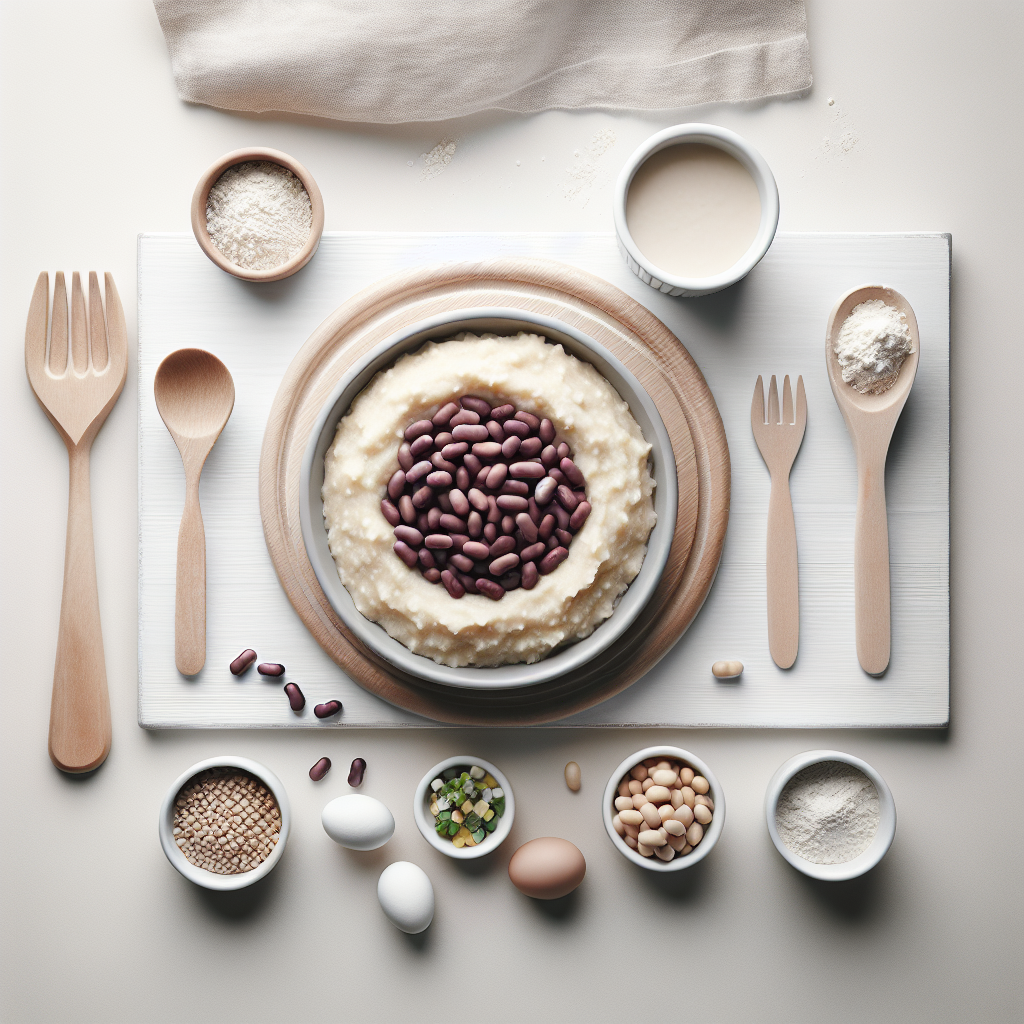
Navy bean mashed for 6–8 months
Navy beans can be introduced as soon as your baby is ready to start solid foods, which is typically around 6 months of age. Mashed navy beans are an excellent choice for early eaters, as their soft texture is easy to manage and the mashing process helps minimise any choking risk. Always ensure beans are fully cooked until very soft before mashing.
How to serve at 6–8 months
Mash cooked navy beans with a fork until smooth and soft, adding a little cooking water, breast milk, or formula to reach a thick, spreadable consistency. Remove any loose skins that come away during mashing. Serve in a small bowl for your baby to scoop with their hands, spread thickly on strips of soft toast, or offer pre-loaded on a spoon.
Nutrition highlights
Navy beans are an excellent source of plant-based iron, which supports healthy blood development and helps prevent iron deficiency in growing babies. They are also rich in protein, fibre, and essential minerals like folate, magnesium, and zinc. The combination of iron and protein makes navy beans particularly valuable for babies following vegetarian or plant-forward diets.
Lower-risk serving reminders
Mashed navy beans have a low choking risk because they are soft, easily squashed, and broken down into small, manageable pieces that babies can safely swallow. The mashing process removes the round, firm shape that whole beans might present.
Allergen introduction checklist
Navy beans are not considered a common allergen and are generally well tolerated by most babies. Legumes like navy beans are a nutritious and safe food to introduce during the weaning process.
Common questions
Do I need to remove the skins from mashed navy beans?
For younger babies, it's helpful to remove any loose skins that come away during mashing, as these can be slippery and harder to manage. As your baby's eating skills develop, leaving the skins in is generally fine.
Can I freeze mashed navy beans for my baby?
Yes, mashed navy beans freeze very well and can be stored in small portions for up to three months. Thaw thoroughly and reheat until piping hot, then allow to cool before serving.
How do I make mashed navy beans easier for my baby to pick up?
You can spread mashed navy beans thickly on strips of toast, mix them into mashed potato or sweet potato, or form them into small, flat patties that are easier for little hands to grasp.
General feeding checklist
- Seat baby upright and stable for all meals.
- Model slow chewing and allow baby to control pace.
- Stop and reset if baby is upset, tired, or over-stuffed.
Readiness signs to check
- Baby can sit upright with minimal support during meals.
- Hands and mouth coordinate for bringing food to the mouth.
- Tongue-thrust reflex is reduced, so food is not immediately pushed out.
- Interest in self-feeding and opening mouth for food cues is visible.
Pause and seek advice if
- Coughing is persistent or distress does not settle quickly during meals.
- You notice repeated vomiting, rash, swelling, wheeze, or breathing changes after a food.
- Baby struggles with swallowing progression over multiple meals despite texture adjustments.
- There is a known medical condition affecting feeding, growth, or airway safety.
Other ages: 9–11 months · 12–24 months