Baby-led weaning · age-specific guide
Naan strip for 12–24 months
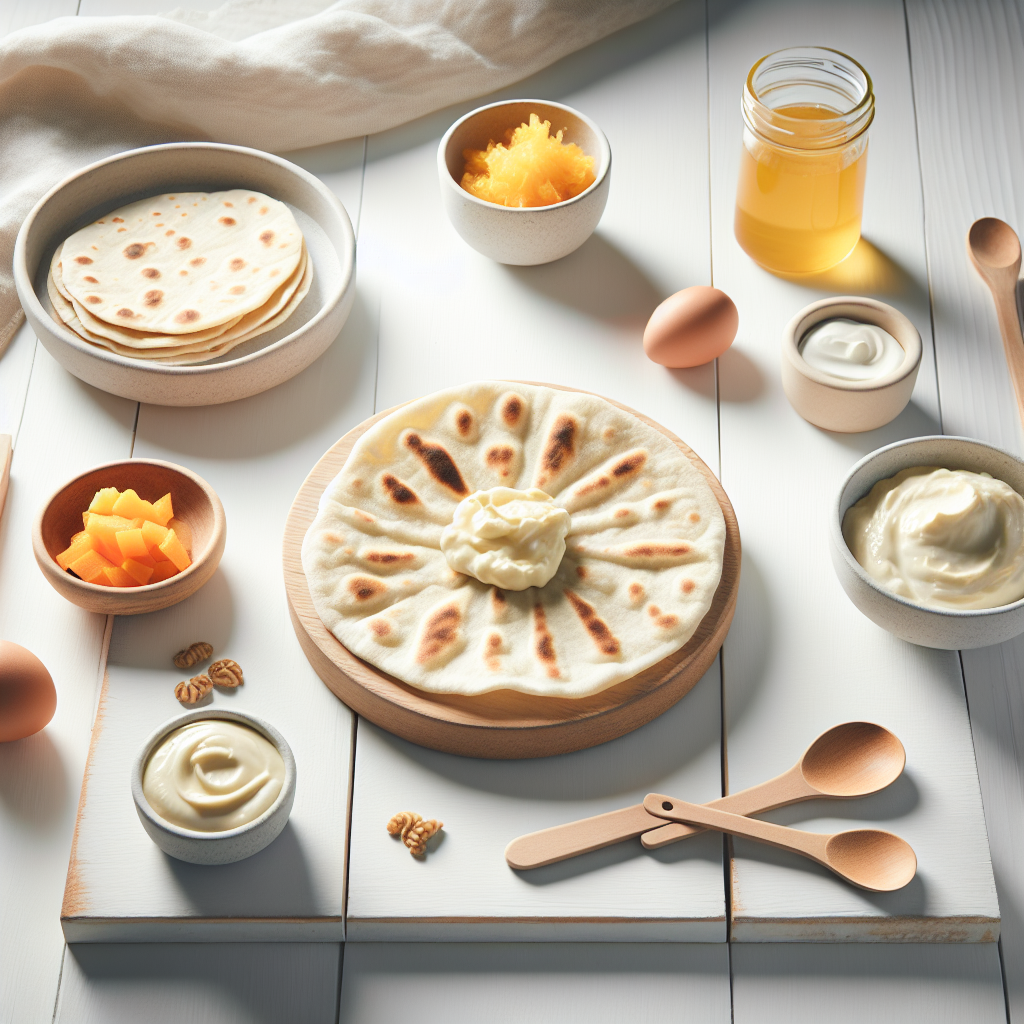
Naan can be introduced as soon as your baby is ready to start solid foods, which is generally around 6 months of age. Choose plain naan without added salt, garlic, or butter when possible, and offer it in strips that are easy for your baby to hold. As with all bread products, ensure the naan is soft and slightly moist to make it easier for your baby to manage.
How to serve at 12–24 months
At this age, toddlers can manage slightly firmer textures, so you may lightly toast naan strips if desired, though soft naan remains a good option. Offer naan alongside meals as a side or use it to scoop up curries, stews, or dips, encouraging self-feeding and exploration of different textures. You can also cut naan into bite-sized pieces or fun shapes to make mealtimes engaging.
Nutrition highlights
Naan provides carbohydrates for energy, which are important for active babies and toddlers. It also contains small amounts of B vitamins and minerals, though it is not a significant source of iron or protein. Naan works well as a vehicle for nutrient-dense toppings like nut butters, hummus, or mashed avocado.
Lower-risk serving reminders
Naan has a low choking risk when served in appropriately sized strips and kept soft, as it breaks down easily with saliva and gumming. The soft, pliable texture of naan makes it manageable for babies who are learning to chew and swallow solid foods.
Allergen information
Naan contains wheat, which is a common allergen and a source of gluten. When introducing naan for the first time, offer it on its own and watch for signs of an allergic reaction, such as hives, swelling, or digestive upset.
Wheat / gluten
Common questions
Is naan better than regular bread for baby-led weaning?
Naan and regular bread are both suitable for baby-led weaning. Naan tends to be softer and less likely to form a sticky ball in the mouth, which can make it slightly easier for some babies to manage.
Should I avoid garlic naan for my baby?
Garlic naan often contains added salt, butter, and strong flavours that are best limited for babies under 12 months. Plain naan is the better choice for young babies.
Can I toast naan for my baby?
Light toasting is fine for older babies from around 12 months who have developed their chewing skills, but avoid hard, crispy pieces that may pose a choking risk. For younger babies, serve naan soft and untoasted.
General feeding checklist
- Seat baby upright and stable for all meals.
- Model slow chewing and allow baby to control pace.
- Stop and reset if baby is upset, tired, or over-stuffed.
Readiness signs to check
- Baby can sit upright with minimal support during meals.
- Hands and mouth coordinate for bringing food to the mouth.
- Tongue-thrust reflex is reduced, so food is not immediately pushed out.
- Interest in self-feeding and opening mouth for food cues is visible.
Pause and seek advice if
- Coughing is persistent or distress does not settle quickly during meals.
- You notice repeated vomiting, rash, swelling, wheeze, or breathing changes after a food.
- Baby struggles with swallowing progression over multiple meals despite texture adjustments.
- There is a known medical condition affecting feeding, growth, or airway safety.
Other ages: 6–8 months · 9–11 months