Baby-led weaning · age-specific guide
Mizuna for 6–8 months
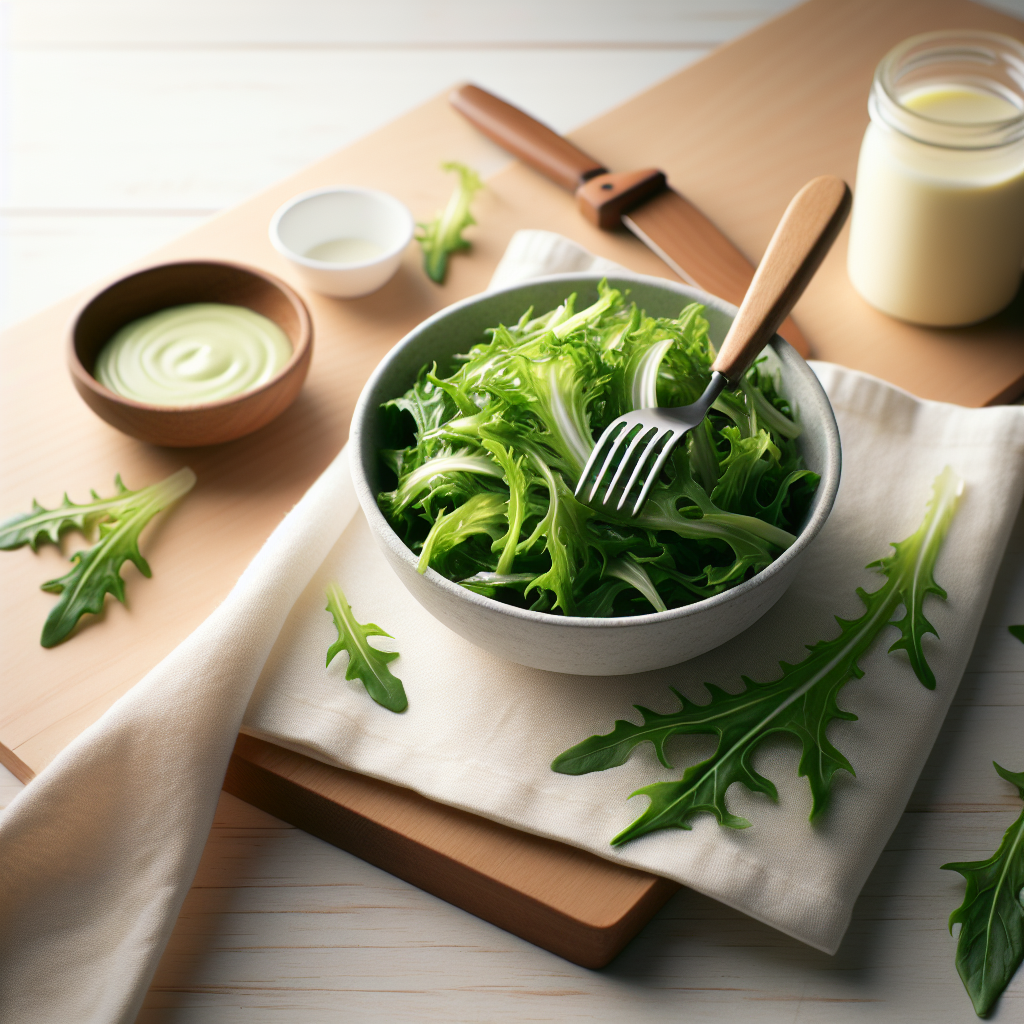
Mizuna can be introduced as soon as your baby is ready to start solid foods, which is typically around 6 months of age. This peppery Japanese mustard green offers a mild, flavourful introduction to leafy vegetables when prepared appropriately. As with all foods, ensure your baby is showing signs of readiness for solids before offering mizuna.
How to serve at 6–8 months
Steam or roast mizuna leaves and tender stems until very soft and easy to squish between your fingers. Serve whole leaves or finger-length strips that your baby can grasp in their palm with some sticking out for them to gum. The soft, wilted leaves are easy for babies to manage and explore at this stage.
Nutrition highlights
Mizuna is rich in vitamins A, C, and K, which support immune function, skin health, and proper blood clotting. This leafy green also provides calcium and folate, important for bone development and cell growth. The slightly peppery flavour helps expand your baby's palate and encourages acceptance of diverse tastes.
Lower-risk serving reminders
Mizuna presents a low choking risk when cooked until very soft, as the tender leaves and thin stems become easy to gum and mash. The feathery texture breaks down readily in the mouth, making it manageable for babies learning to eat.
Allergen introduction checklist
Mizuna is not a common allergen and is generally well-tolerated by babies. As with any new food, introduce mizuna on its own and watch for any signs of sensitivity, though reactions are rare.
Common questions
Does mizuna need to be cooked for babies?
Yes, mizuna should be cooked until very soft for babies under 12 months to ensure it is easy to gum and swallow safely. Raw mizuna is too fibrous for young babies.
Can I serve mizuna raw to my toddler?
Raw mizuna can be offered to toddlers who are competent chewers, typically after 18 months, though finely chopped pieces are safest. Many toddlers prefer the milder taste of cooked mizuna.
What does mizuna taste like for babies?
Mizuna has a mild, slightly peppery flavour similar to rocket but gentler, which most babies tolerate well. Cooking softens both the texture and the peppery notes.
General feeding checklist
- Seat baby upright and stable for all meals.
- Model slow chewing and allow baby to control pace.
- Stop and reset if baby is upset, tired, or over-stuffed.
Readiness signs to check
- Baby can sit upright with minimal support during meals.
- Hands and mouth coordinate for bringing food to the mouth.
- Tongue-thrust reflex is reduced, so food is not immediately pushed out.
- Interest in self-feeding and opening mouth for food cues is visible.
Pause and seek advice if
- Coughing is persistent or distress does not settle quickly during meals.
- You notice repeated vomiting, rash, swelling, wheeze, or breathing changes after a food.
- Baby struggles with swallowing progression over multiple meals despite texture adjustments.
- There is a known medical condition affecting feeding, growth, or airway safety.
Other ages: 9–11 months · 12–24 months