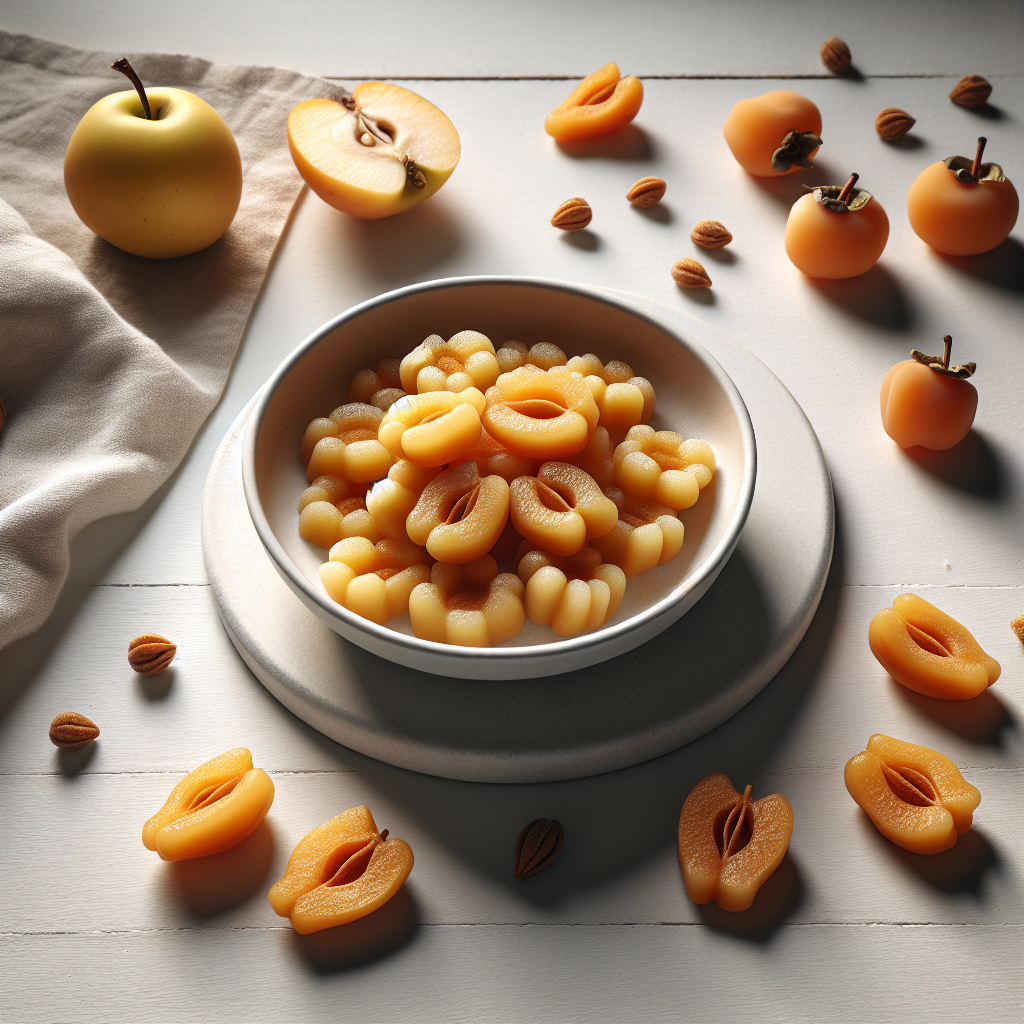
Baby-led weaning · age-specific guide
Medlar for 9–11 months
Medlar may be introduced as soon as your baby is ready to start solid foods, which is generally around 6 months of age. Because medlars must be bletted (left to ripen until very soft) before eating, they are naturally soft and manageable for young eaters. As with all foods, ensure your baby is sitting upright and supervised during mealtimes.
How to serve at 9–11 months
Continue offering bletted medlar spread on toast fingers or mixed into yoghurt and porridge. You can also serve soft pieces or strips of the flesh with skin and seeds removed, ensuring the fruit is fully bletted and yields easily to gentle pressure. As your baby develops their pincer grasp, smaller soft pieces of the flesh can be offered for practice picking up food.
Nutrition highlights
Medlar provides vitamin C, which supports immune function and helps the body absorb iron from plant-based foods. The fruit also contains dietary fibre, which aids digestion and supports healthy bowel movements. Medlars offer small amounts of potassium and other micronutrients that contribute to overall growth and development.
Lower-risk serving reminders
Medlar presents a low choking risk when properly bletted, as the fruit becomes extremely soft and spreadable, similar to a paste or jam-like consistency. The flesh breaks down easily in the mouth, making it safe for babies who are just learning to eat solids.
Allergen introduction checklist
Medlar is not a common allergen and is not currently recognised among the major food allergens. As with any new food, introduce medlar on its own and watch for signs of a reaction, though allergic responses to medlar are rare.
Common questions
What does bletted mean and why is it important for medlar?
Bletted means the fruit has been left to ripen until it becomes very soft, almost mushy inside. This process is essential for medlars because they are inedible when firm and must be bletted to become sweet, soft, and safe for babies to eat.
How do I know when a medlar is ready to serve to my baby?
A medlar is ready when it feels very soft to the touch and the skin may appear wrinkled or brown. The flesh inside should be dark, custard-like, and spreadable, similar to apple sauce or jam.
Can I cook medlar for my baby or does it need to be raw?
Medlar is typically eaten raw after bletting, but you can also cook it into a purée or compote if you prefer. Cooking will soften it further and can make it easier to spread or mix into porridge and yoghurt.
General feeding checklist
- Seat baby upright and stable for all meals.
- Model slow chewing and allow baby to control pace.
- Stop and reset if baby is upset, tired, or over-stuffed.
Readiness signs to check
- Baby can sit upright with minimal support during meals.
- Hands and mouth coordinate for bringing food to the mouth.
- Tongue-thrust reflex is reduced, so food is not immediately pushed out.
- Interest in self-feeding and opening mouth for food cues is visible.
Pause and seek advice if
- Coughing is persistent or distress does not settle quickly during meals.
- You notice repeated vomiting, rash, swelling, wheeze, or breathing changes after a food.
- Baby struggles with swallowing progression over multiple meals despite texture adjustments.
- There is a known medical condition affecting feeding, growth, or airway safety.
Other ages: 6–8 months · 12–24 months