Baby-led weaning · age-specific guide
Meat floss soft for 6–8 months
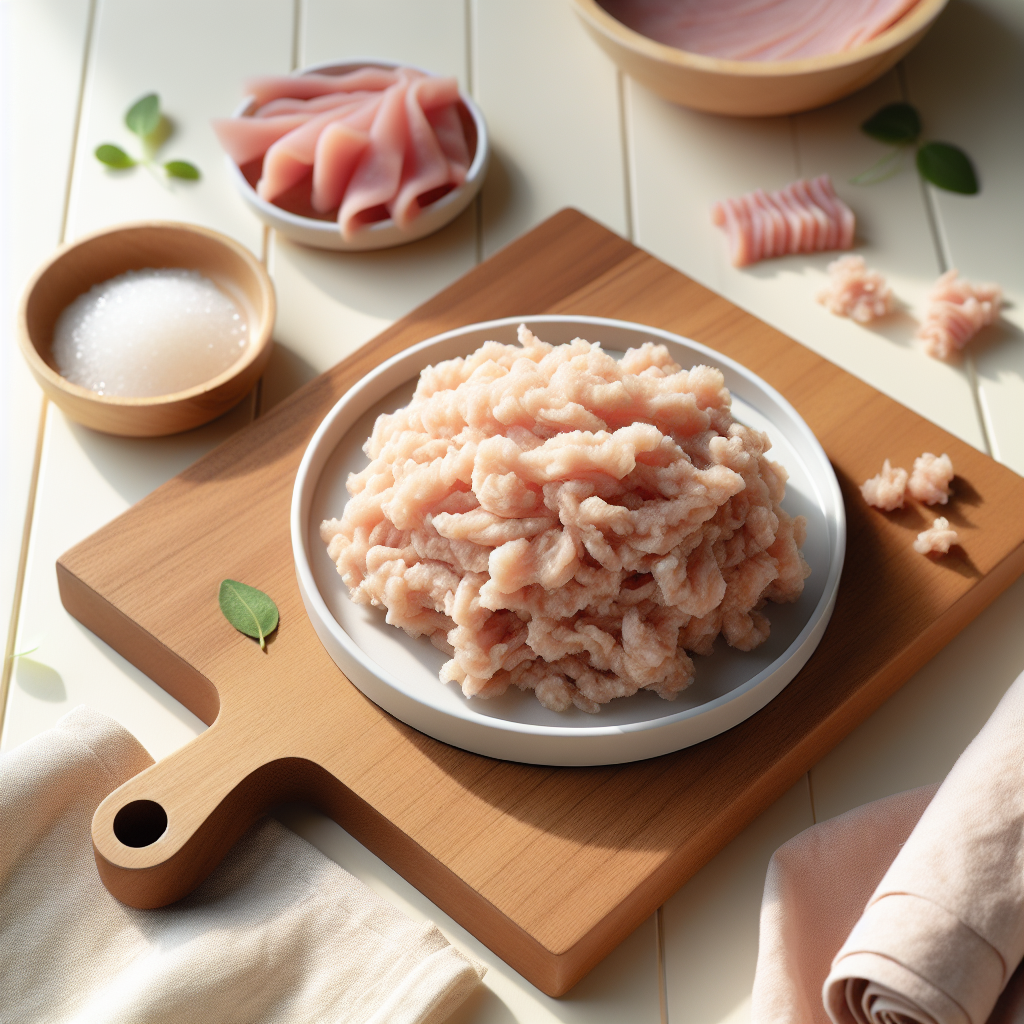
Meat floss can be introduced from 6 months of age, as soon as your baby is ready to start solid foods. Its soft, fluffy texture dissolves easily in the mouth, making it a gentle introduction to meat for babies beginning baby-led weaning. Choose varieties with low sodium and no added sugar, as many commercial meat floss products are heavily seasoned.
How to serve at 6–8 months
Sprinkle a small pinch of meat floss over soft foods like porridge, mashed sweet potato, or rice to add flavour and nutrition. You can also press it lightly onto strips of toast or rice cakes to help your baby grip the food more easily. Avoid offering it dry or in large clumps, as it can stick to the roof of the mouth.
Nutrition highlights
Meat floss is rich in protein, which supports growth and tissue repair, and provides iron in a bioavailable form that helps prevent anaemia and supports brain development. Because it is made from dried and shredded meat, it is a concentrated source of these nutrients. However, it can be high in sodium, so choose low-salt versions and serve it in small amounts as part of a balanced meal.
Lower-risk serving reminders
Meat floss has a low choking risk because it breaks apart easily into fine, fluffy strands that dissolve when mixed with saliva. Its soft texture does not require chewing and can be safely managed by babies who are just learning to eat solids.
Allergen introduction checklist
Meat floss is not a common allergen. However, some commercial varieties may contain soy, wheat, or sesame, so always check the ingredients list if your baby has known allergies or you are monitoring for potential sensitivities.
Common questions
Is meat floss too salty for babies?
Many commercial meat floss products are high in sodium, so look for low-salt or unsalted varieties and offer it in small amounts mixed with other foods rather than on its own.
How do I serve meat floss to a baby?
Sprinkle a small amount over porridge, rice, or mashed vegetables to add flavour and boost iron and protein, or let your baby explore it by pressing it onto soft foods they can pick up.
Can meat floss replace fresh meat in my baby's diet?
Meat floss can complement fresh meat but should not replace it entirely, as fresh meat offers a wider range of nutrients and helps babies practise chewing different textures.
General feeding checklist
- Seat baby upright and stable for all meals.
- Model slow chewing and allow baby to control pace.
- Stop and reset if baby is upset, tired, or over-stuffed.
Readiness signs to check
- Baby can sit upright with minimal support during meals.
- Hands and mouth coordinate for bringing food to the mouth.
- Tongue-thrust reflex is reduced, so food is not immediately pushed out.
- Interest in self-feeding and opening mouth for food cues is visible.
Pause and seek advice if
- Coughing is persistent or distress does not settle quickly during meals.
- You notice repeated vomiting, rash, swelling, wheeze, or breathing changes after a food.
- Baby struggles with swallowing progression over multiple meals despite texture adjustments.
- There is a known medical condition affecting feeding, growth, or airway safety.
Other ages: 9–11 months · 12–24 months