Baby-led weaning · age-specific guide
Mango for 9–11 months
Mango can be introduced as soon as your baby is ready to start solid foods, which is typically around 6 months of age. Choose very ripe, soft mangoes that yield to gentle pressure, as these are easiest for babies to gum and swallow. Always supervise mealtimes and ensure your baby is seated upright whilst eating.
How to serve at 9–11 months
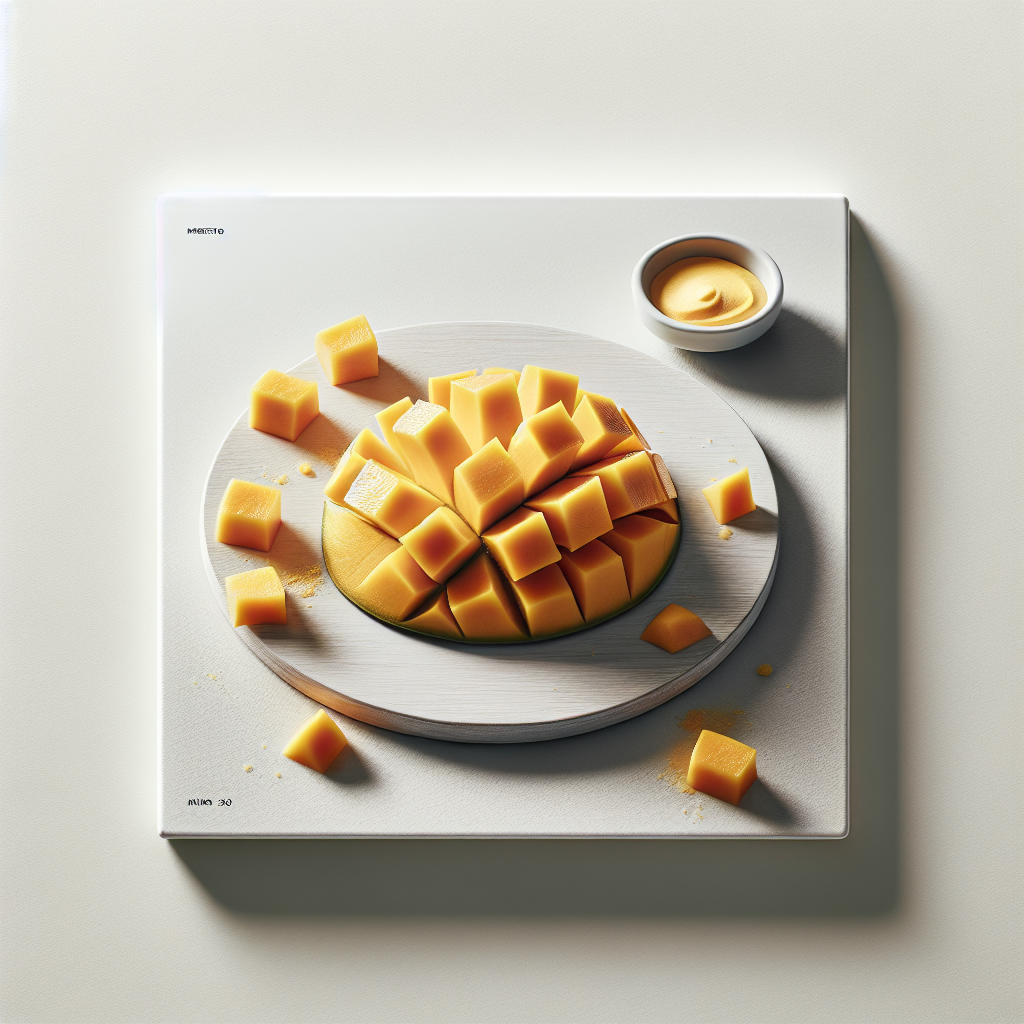
Continue offering very ripe mango in manageable strips or pieces that your baby can pick up with their developing pincer grasp. You might cut the mango into shorter, thicker strips or bite-sized pieces if your baby is starting to self-feed more confidently. Keep the texture soft and always remove the skin, as this stage is all about practising chewing and moving food around the mouth.
Nutrition highlights
Mango is an excellent source of vitamin C, which supports immune function and helps with iron absorption from other foods. It also provides vitamin A in the form of beta-carotene, important for healthy vision and skin, as well as fibre to support digestive health. The natural sweetness and vibrant colour make mango an appealing first food for many babies.
Lower-risk serving reminders
Mango has a low choking risk when served ripe and soft, as it breaks down easily in the mouth and doesn't pose the firmness or round shape concerns of higher-risk foods. The slippery texture can make it tricky for babies to grasp, but this is a motor skill challenge rather than a choking hazard.
Allergen introduction checklist
Mango is not considered a common allergen in most populations. However, mango skin and sap contain urushiol, the same compound found in poison ivy, which can cause contact dermatitis or oral rashes in sensitive individuals, so it's worth being aware if your baby develops a rash around the mouth.
Common questions
Does mango need to be cooked for baby-led weaning?
No, mango does not need to be cooked if it's very ripe and soft. A ripe mango should yield easily to gentle pressure and be soft enough for your baby to gum and swallow safely.
Can I serve mango with the skin on?
It's best to remove mango skin for babies, as it can be tough to chew and contains compounds that may cause mouth irritation or rashes in sensitive individuals.
Why does my baby get a rash around their mouth after eating mango?
Some babies develop a contact rash from urushiol in mango skin or sap. Peeling the mango carefully and wiping your baby's face after eating usually helps, but if the rash persists or worsens, consult your health visitor or GP.
General feeding checklist
- Seat baby upright and stable for all meals.
- Model slow chewing and allow baby to control pace.
- Stop and reset if baby is upset, tired, or over-stuffed.
Readiness signs to check
- Baby can sit upright with minimal support during meals.
- Hands and mouth coordinate for bringing food to the mouth.
- Tongue-thrust reflex is reduced, so food is not immediately pushed out.
- Interest in self-feeding and opening mouth for food cues is visible.
Pause and seek advice if
- Coughing is persistent or distress does not settle quickly during meals.
- You notice repeated vomiting, rash, swelling, wheeze, or breathing changes after a food.
- Baby struggles with swallowing progression over multiple meals despite texture adjustments.
- There is a known medical condition affecting feeding, growth, or airway safety.
Other ages: 6–8 months · 12–24 months